
Publications

INSIGHT REPORT

Pioneering the Future: Space

Technologies Poised to Revolutionize

Exploration and Economy by 2035

September 2026

FACTSHEETS

Pioneering the Future: Space

Technologies Poised to Revolutionize Exploration and Economy by 2035

June 2026

WHITE PAPER

Future of Space Law:

Operationalizing Space Governance

March 2026

REPORT

Clear Orbit, Secure Future:

 A Call to Action on Space Debris

Jan 2026

WHITE PAPER

The Future of Space Law

Insights from the ATS, UNCLOS, and ITU Frameworks

December 2025

WHITE PAPER

The Future of Space Law: 

The Evolving Dynamics of Air and Space Regulation

 September  2025

The Future Of Space Law

News

Centre for Space Futures, Novaspace and SpaceTech Gulf  Sign Agreement to Develop Global Space Capability Mapping Dashboard

Riyadh, Saudi Arabia , 23 Jun 2026|  Press Release

Clear Orbit, Secure Future: A Call to Action on Space Debris

Riyadh, Saudi Arabia, 26 Jan 2026 | Press Release

Centre for Space Futures Holds Workshop with Participation of 40 Global Experts

Riyadh, Saudi Arabia, 05 Dec 2025 | Press Release

Centre for Space Futures Releases White Paper on 'The Future of Space Law'

Riyadh, Saudi Arabia, 12 Sep 2025 | Press Release

The Board of Directors of the Centre for Space Futures Endorses Its Strategic Direction

Riyadh, Saudi Arabia, 26 May 2025 | Press Release

Saudi Space Agency to Launch the Centre for Space Futures with the World Economic Forum

Riyadh, Saudi Arabia, 29 April | Press Release

5 ways we can tackle growing risks from rocket bodies in orbit

Dec 09, 2025 | Economic Growth, Stories

Read More

Forum Agenda

Forum Videos

VIDEO

Press Conference: Centre for Space Futures in Riyadh

The World Economic Forum's Special Meeting, April 29, 2024

VIDEO

The Purpose of Astronauts at Davos 2024

World Economic Forum , March 9, 2024

VIDEO

PortWatch: Monitoring Trade Disruptions from Space

World Economic Forum , Dec 18, 2023

VIDEO

India's Moon Mission Triumph: Ambassador Ruchira Kamboj's Insights

World Economic Forum , Aug 23, 2023

VIDEO

Space Exploration is Back at Davos 2023

World Economic Forum , Feb 16, 2023

Forum Publications

Strategic Intelligence Insights

The updated "Marine Environment Protection Law of the People’s Republic of China," effective January 1, 2024, integrates land and marine development more effectively by expanding from 97 to 124 articles and increasing regulatory clauses from 3 to 8 for oversight bodies. The law enhances Chapter II on supervision and control, adds clauses for effective marine ecological protection, and establishes a clearer framework for authorities' responsibilities. This legislation aims to foster coherent land-sea environmental governance, promote interaction between marine and land economies, and improve ecological conservation efforts in response to growing environmental challenges.
Taiwan, China
China’s land-sea environmental regulatory system: reforms and impacts
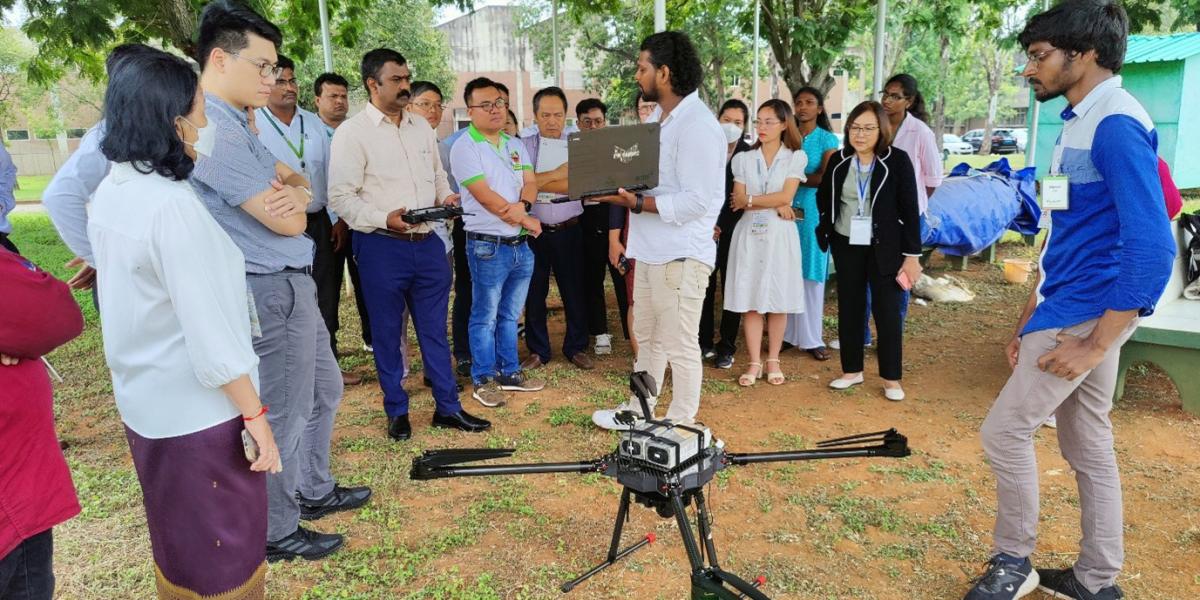
India has implemented digital innovations in agriculture since the 1990s, leading to a significant rise in food and agriculture startups, now around 3,116. The Greater Mekong Subregion's SAFSP organized a study tour to explore these technologies, highlighting autonomous vehicles, AI, and drone imaging solutions that enhance precision farming and crop monitoring. Notable innovations include the X100 robotic platform for agricultural tasks, Plantix app for pest and disease detection, Kalgudi's digital marketing platforms for produce, and FarmRobo's Minibot, designed for smallholder farmers. These technologies promote sustainability and improve market access in agri-food systems.
ICT, Education
Harnessing Digital Technologies for Sustainable Agriculture and Food Security
Quantum computers pose a significant threat to the security of satellites and critical digital infrastructure. Unlike classical computers, quantum computers can solve complex mathematical problems quickly, enabling them to breach current digital security measures. Experts are developing post-quantum cryptography to create secure codes resistant to quantum attacks, with organizations encouraged to transition by 2035. New satellites must be designed with quantum-resistant security from the outset, as updating existing systems in orbit is challenging. Global collaboration among governments and scientists is essential to secure our future digital communications against quantum threats.
Quantum computers could crack the security codes used by satellites
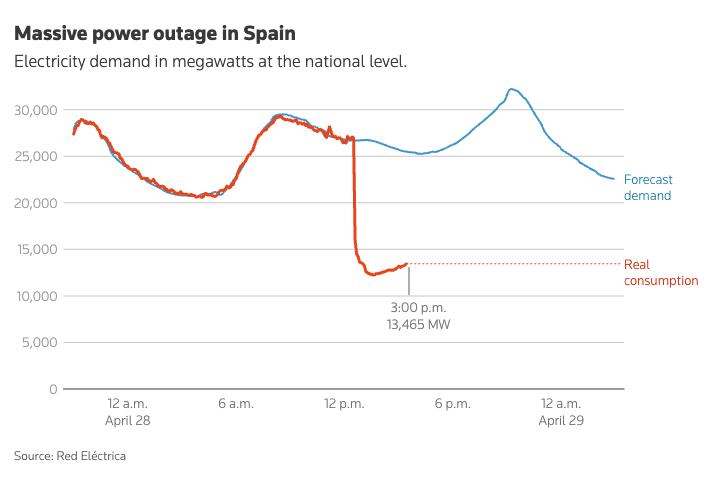
Blackouts in Spain and Portugal have raised urgent calls for increased investment in energy resilience as the regions experience significant power outages affecting various societal functions. Economic growth and new technologies are driving rising electricity demand, making power generation more decentralized and variable. The International Energy Agency reports a surge in carbon capture projects globally, indicating its crucial role in achieving low-emission energy systems. Other notable developments include a $100 billion commitment from the US energy storage sector to support domestic battery production, and innovative renewable energy initiatives across various countries.
Spain | Financial services
Europe blackouts turn spotlight on power systems - and more top energy stories

The Frontiers Planet Prize promotes groundbreaking scientific research to tackle urgent environmental challenges, with six out of nine planetary boundaries breached. It rewards transformative solutions by encouraging interdisciplinary collaboration among scientists, communities, and youth leaders. The initiative mobilizes the scientific community, drawing on the successful response to the COVID-19 pandemic as a model for urgent action. Key achievements include improved biodiversity in Amazon communities and the development of nature-based climate resilience programs. Celebrating its impact, the prize cultivates a culture of urgency in addressing global environmental issues through community engagement.
Health
Frontiers Planet Prize: The breakthrough science that could preserve our planet

Collaboration across the energy sector is essential to enhance cyber resilience amidst rising cyber threats to energy infrastructure. The sector is experiencing growth driven by diversification and technological changes, with increased energy demand, particularly for electricity from renewable sources. However, escalating cyberattacks on energy systems, such as notable incidents impacting pipelines and electric grids, highlight vulnerabilities. The integration of operational technologies with digital networks complicates cybersecurity efforts. The industry must adopt advanced strategies, including AI for protection, to safeguard against both cybersecurity threats and potential malicious AI misuse.
Financial services, Health, Education, ICT
Powering cyber resilience in the energy sector
The 2026 NASA budget proposal suggests a $6 billion cut, approximately 25% of NASA's recent funding, primarily impacting science programs and high-profile missions like Mars Sample Return and the Nancy Grace Roman Space Telescope. This shift aims to bolster the commercial space sector but poses risks to future exploration and innovation. The Artemis program's Space Launch System and Orion crew capsule may also face early retirement, affecting lunar exploration efforts. While job losses could occur, the growing commercial space industry may provide new opportunities for displaced workers. Congress will ultimately decide on the proposed budget.
Nasa’s planned budget cuts could set back space science, but show how to future-proof the agency
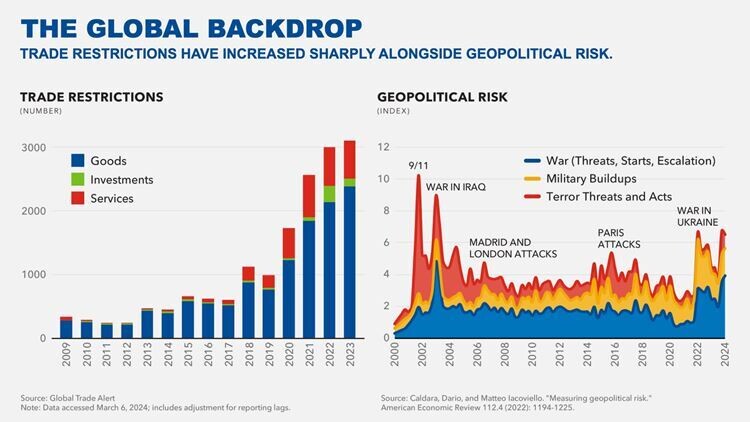
Industry leaders are adapting to challenges posed by geopolitical tensions and supply chain disruptions, with a focus on energy security, digital transformation, and workforce resilience. Key priorities include enhancing supply chain resilience, advancing energy efficiency, and harnessing artificial intelligence for operational improvement. Companies advocate for standardized regulations and cross-industry collaboration to mitigate risks. Despite the promise of AI, many organizations face obstacles in widespread adoption. The upcoming Industry Strategy Meeting 2025 in London aims to address these critical issues as leaders prepare for an unpredictable global landscape.
Switzerland | Financial services, Health, Education, ICT
From supply-chain upheaval to AI-led transformation, here's how industry leaders are keeping up

Agentic AI is pivotal in transforming the workforce by enhancing reskilling and upskilling initiatives. The World Economic Forum Future of Jobs Report 2025 highlights that while skill instability has decreased from 57% in 2020 to 44% in 2023, significant shifts in workforce demographics and technology will disrupt many existing skills by 2030. Employers must prioritize training aligned with business needs, leveraging agentic AI to personalize learning and develop essential life skills like analytical thinking. The integration of AI also streamlines instructional methods for educators, ultimately evolving job roles to require a blend of human and technical capabilities.
Education
How agentic AI can drive workforce transformation

Tea farmers in Kenya are implementing climate change initiatives using techniques from Chinese experts as part of a trilateral cooperation project, funded partially by Germany and led by the UN Food and Agriculture Organization. This $2.5 million initiative, which runs until 2026, aims to enhance the resilience of Kenya’s tea industry against extreme weather, which significantly impacts its export earnings. The project exemplifies a broader trend in development cooperation where developing countries collaborate using shared resources and knowledge, emphasizing the exchange of experiences rather than a one-directional transfer of aid.
South Africa | Financial services, Education, Health
Is it possible to work with China for development?

Governments face the challenge of meeting rising service demands while reducing public spending. Frugal innovation offers a viable alternative to austerity by maximizing existing resources and creatively addressing societal needs. This involves resourcefulness, valorizing underused assets, and adopting innovative approaches. Examples include repurposing wastelands in France for sustainable industries and the Housing Innovation Lab in Boston developing affordable modular housing. Additionally, India's digital public infrastructure (DPI) permits efficient, accessible service delivery and has significantly increased tax revenue while cutting fraudulent claims, supporting economic growth.
Financial services, Health, Education
How frugal innovation is helping governments deliver more with less

The T20 Africa High-Level Policy Dialogue highlighted the need for Africa to disrupt the status quo to enhance its agency in the global arena. While the admission of the African Union to the G20 is a milestone, deeper structural issues like governance failures and demographic challenges must be addressed. Key discussions emphasized the urgency of introspection and genuine leadership reform. African youth voiced their discontent over leadership disconnect, advocating for their inclusion in decision-making. To shape a sustainable future, Africa requires practical execution of plans rather than mere aspirations, ensuring alignment with strategic responses to its demographic realities.
South Africa | Health, Education
Africa’s uncomfortable future: insights from the T20 Policy Dialogue

Urban India can significantly reduce greenhouse gas emissions through climate-conscious strategies in urban planning and construction. Key approaches include low-carbon construction, passive design, and green building practices, which emphasize sustainable materials and energy efficiency. The rapid urban growth necessitates urgent actions to address both embodied and operational carbon emissions, which arise from building processes and energy consumption, respectively. Integration of green infrastructure and optimizing urban layouts can enhance resilience and lower temperatures. Collaborative policies and public awareness initiatives are essential to foster sustainable practices and behaviors among residents.
Financial services, ICT, Education
How to decarbonize urban India with climate-conscious strategies
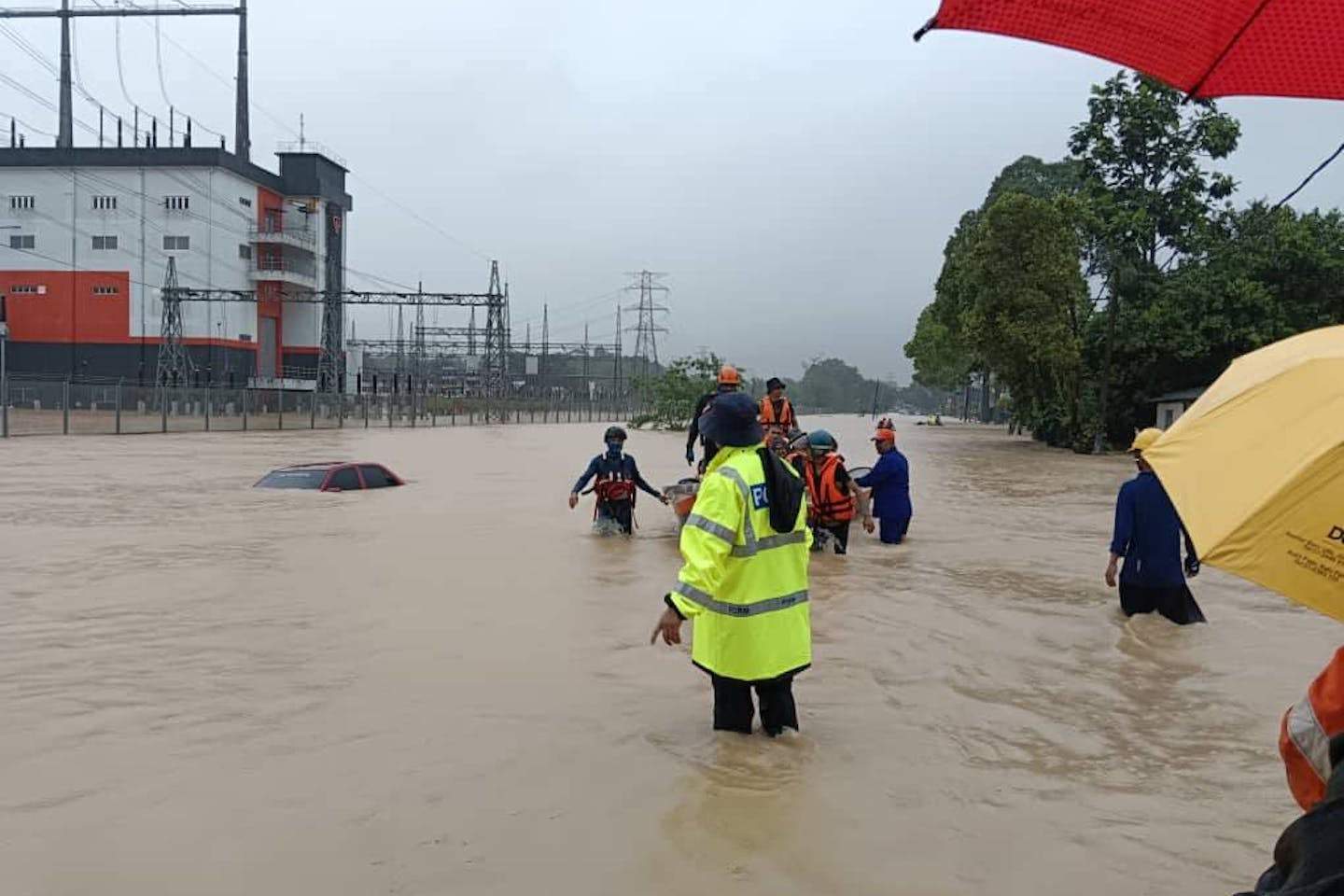
Flash floods in Malaysia have displaced over 15,000 people and caused significant economic losses, estimated at RM933.4 million (US$218.3 million) for 2024. The World Bank warns that if Malaysia does not integrate the costs of climate risks into its fiscal planning, it could face escalating economic challenges, potentially losing up to 4.1% of GDP by 2030. Current aid measures fall short, and the country must develop comprehensive national adaptation plans to attract private investment and build resilience. The focus should be on quantifying future costs and addressing climate change proactively to benefit economic growth.
Financial services
As Malaysia grapples with flood-related losses, World Bank warns of ‘rising economic cost of inaction’ on climate change
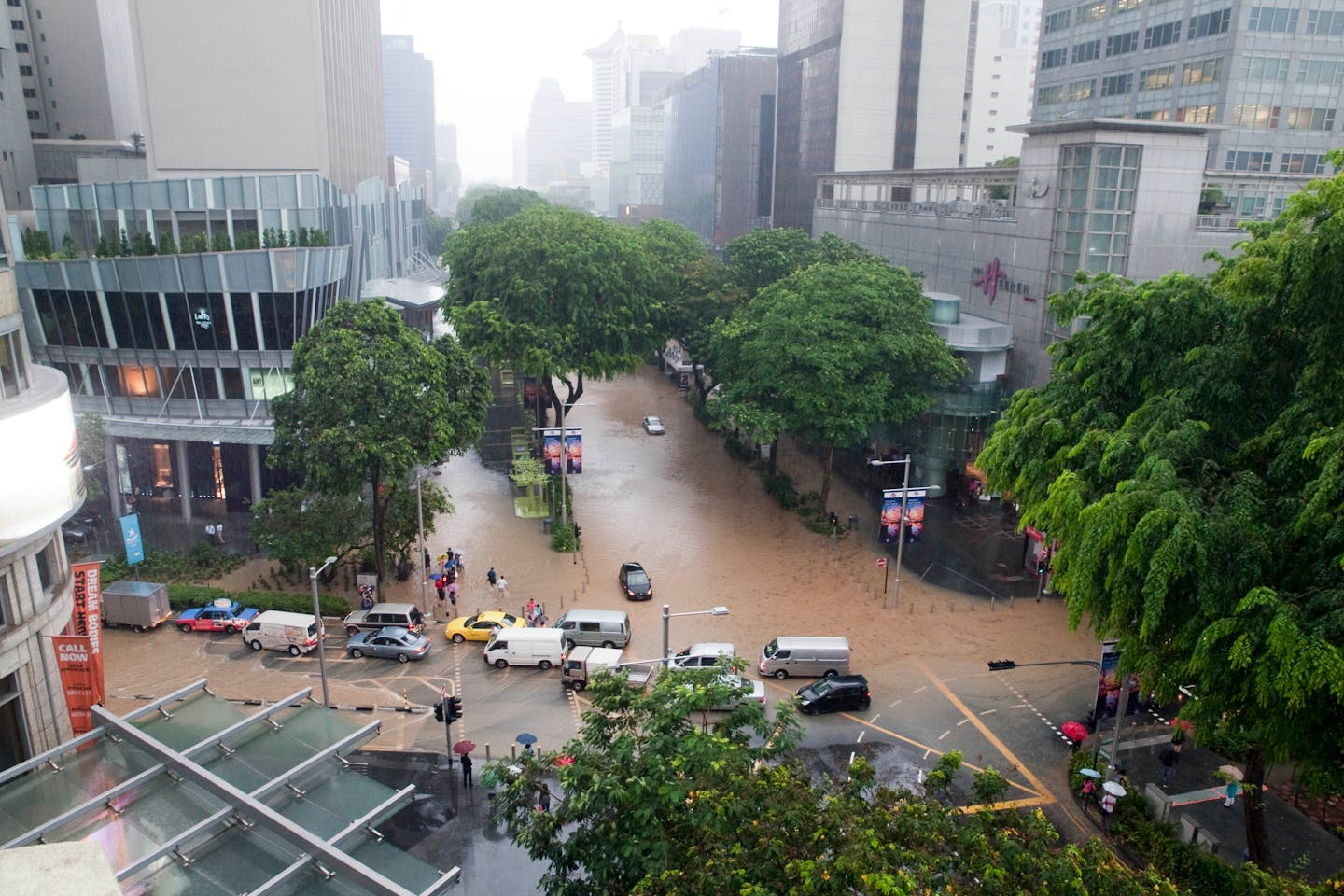
Private investors are poised to target a potential US$1.3 trillion climate adaptation market by 2030, although governments will primarily fund these initiatives. A report by Boston Consulting Group and Temasek identifies six investable sectors: climate intelligence, climate-resilient building materials, flood defense infrastructure, climate-adapted agricultural inputs, water efficiency technologies, and emergency medical services. Key growth areas include climate intelligence and flood defense solutions, driven by increasing extreme weather events and regulatory changes. The report highlights a surge in institutional interest and the establishment of dedicated climate adaptation funds.
Financial services
Private equity eyes up to US$1.3 trillion climate adaptation market by 2030

Sustained rapid economic growth is essential for poverty reduction and human progress. High economic productivity often relies on strong, inclusive institutions. However, low-quality institutions can initiate rapid growth, as seen in China's post-1978 economy. Several Asian countries have experienced this phenomenon since the 1990s, yet the lack of improvement in state capability raises concerns about the sustainability of this growth. The interactions between economic growth and institutional quality will be crucial in determining whether these countries can maintain rapid expansion and achieve high-income status or face stagnation and decline.
Republic of Korea | Financial services, Health
Exits from the Four-Lane Highway to National Development: What Are the Risks to Sustained Economic Growth?

A virtual Knowledge Exchange on May 27 will focus on how sustainability academics and research centres can influence public debate and policy. The session features a panel of experts sharing diverse strategies for effective public engagement. Initiatives include advocating for environmental policy changes in Iran, promoting responsible corporate political engagement in the U.S., amplifying marginalized voices in Canadian food law, and shaping global sustainability reporting standards. Attendees are encouraged to participate and share their experiences.
How Can Sustainability Academics and Research Centres Inform Public Debate and Policy?
Semiconductors are central to global geopolitics, reflecting US-China tensions and broader economic trends. The Trump administration is likely to pursue a phased, China-specific tariff regime, influenced by bipartisan concerns over China's chip market ambitions. Proposed restrictions aim at Chinese chip imports, especially in sensitive areas like consumer electronics. Meanwhile, China is increasing its domestic production capacity, enhancing its position in the global market despite challenges in advanced chip manufacturing. Europe and allies face interconnected challenges from US tariffs, export controls, and China's market influence, prompting calls for coordinated trade responses.
Canada, France, Italy, Republic of Korea, Switzerland, Taiwan, China | Financial services
Three Questions to Chris Miller: Navigating the Geopolitics of Semiconductors in a New Trump Era
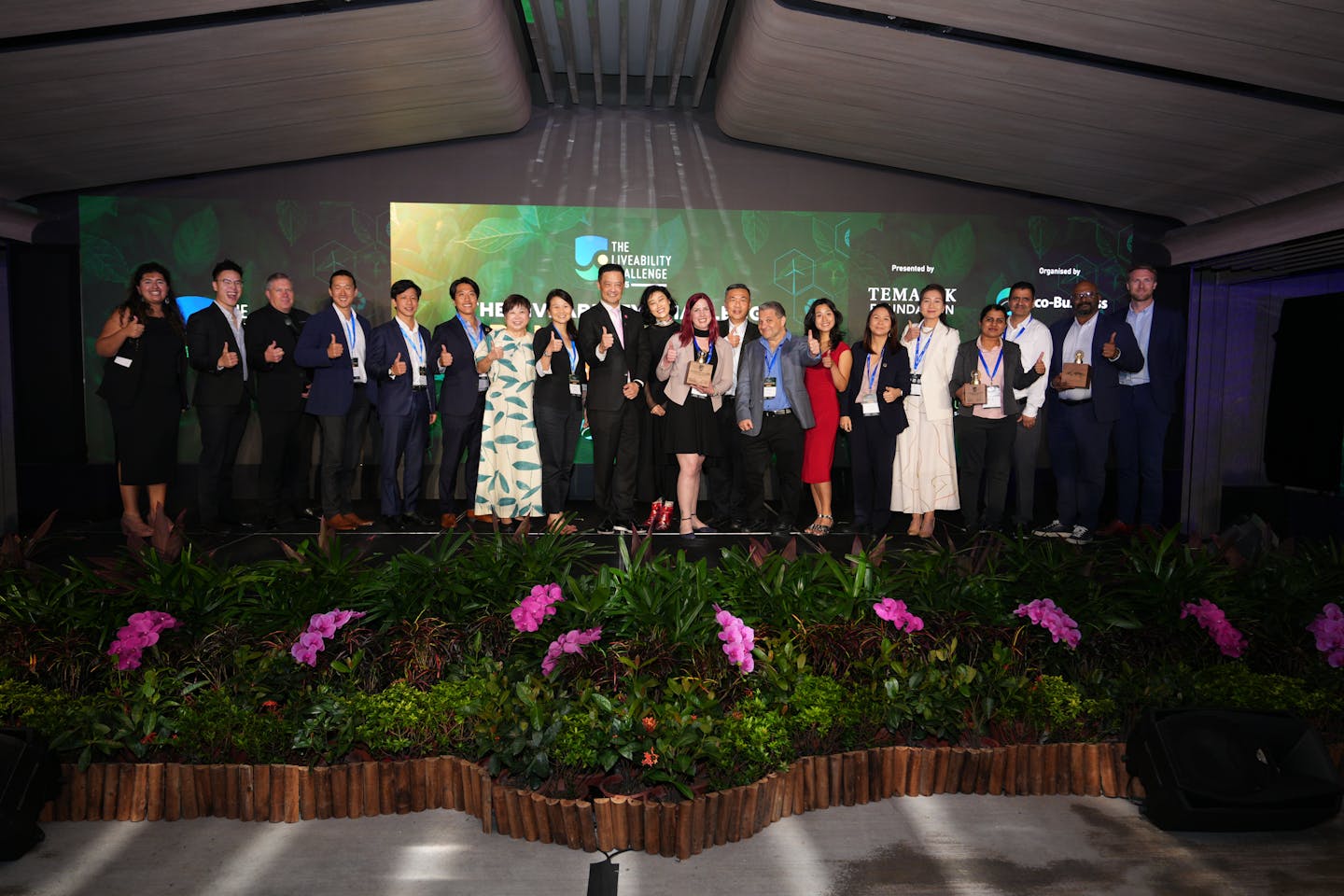
Innovations in passive cooling and hydrogen storage solutions emerged as top winners at The Liveability Challenge 2025. Krosslinker, based in Singapore, developed a zero-energy aerogel coating that can cool buildings and potentially reduce electricity costs by 10%. Aryton created a process to cut hydrogen storage and transport costs by up to 50%. Both startups received S$1 million in funding and recognition for their contributions towards decarbonization and addressing extreme heat conditions, selected from 1,200 global submissions. Additional finalists included carbon recycling and emission-reducing technologies.
Innovations in passive cooling and hydrogen storage win The Liveability Challenge 2025

Data is essential for innovation and efficiency in agriculture, especially in addressing food security and climate change. In India, emerging data platforms such as VISTAAR, AgriStack, ADeX, and Krishi DSS are transforming the agri-tech landscape by providing access to vital datasets for farmers and stakeholders. However, the data remains fragmented, hindering scalability. To maximize the potential of these digital platforms, a robust data management ecosystem is necessary, addressing business value, technology, project strategies, and legal frameworks to encourage data sharing and engagement among users.
Financial services, Education, ICT
Beyond data: How to unlock agriculture's full potential