Publications

Pioneering the Future: Space
Technologies Poised to Revolutionize
Exploration and Economy by 2035

INSIGHT REPORT

September 2026

Pioneering the Future: Space
Technologies Poised to Revolutionize Exploration and Economy by 2035

FACTSHEETS

June 2026

Future of Space Law:
Operationalizing Space Governance

WHITE PAPER

March 2026

Clear Orbit, Secure Future:
 A Call to Action on Space Debris

REPORT

Jan 2026

The Future of Space Law
 Insights from the ATS, UNCLOS, and ITU Frameworks

WHITE PAPER

December 2025

The Future of Space Law: 
The Evolving Dynamics of Air and Space Regulation

WHITE PAPER

 September  2025

The Future Of Space Law

News

Centre for Space Futures, Novaspace and SpaceTech Gulf  Sign Agreement to Develop Global Space Capability Mapping Dashboard

Riyadh, Saudi Arabia , 23 Jun 2026|  Press Release

Clear Orbit, Secure Future: A Call to Action on Space Debris

Riyadh, Saudi Arabia, 26 Jan 2026 | Press Release

Centre for Space Futures Holds Workshop with Participation of 40 Global Experts

Riyadh, Saudi Arabia, 05 Dec 2025 | Press Release

Centre for Space Futures Releases White Paper on 'The Future of Space Law'

Riyadh, Saudi Arabia, 12 Sep 2025 | Press Release

The Board of Directors of the Centre for Space Futures Endorses Its Strategic Direction

Riyadh, Saudi Arabia, 26 May 2025 | Press Release

Saudi Space Agency to Launch the Centre for Space Futures with the World Economic Forum

Riyadh, Saudi Arabia, 29 April | Press Release

5 ways we can tackle growing risks from rocket bodies in orbit

Dec 09, 2025 | Economic Growth, Stories

Read More

Forum Agenda

Forum Videos

VIDEO

Press Conference: Centre for Space Futures in Riyadh

The World Economic Forum's Special Meeting, April 29, 2024

VIDEO

The Purpose of Astronauts at Davos 2024

World Economic Forum , March 9, 2024

VIDEO

PortWatch: Monitoring Trade Disruptions from Space

World Economic Forum , Dec 18, 2023

VIDEO

India's Moon Mission Triumph: Ambassador Ruchira Kamboj's Insights

World Economic Forum , Aug 23, 2023

VIDEO

Space Exploration is Back at Davos 2023

World Economic Forum , Feb 16, 2023

Forum Publications

Strategic Intelligence Insights

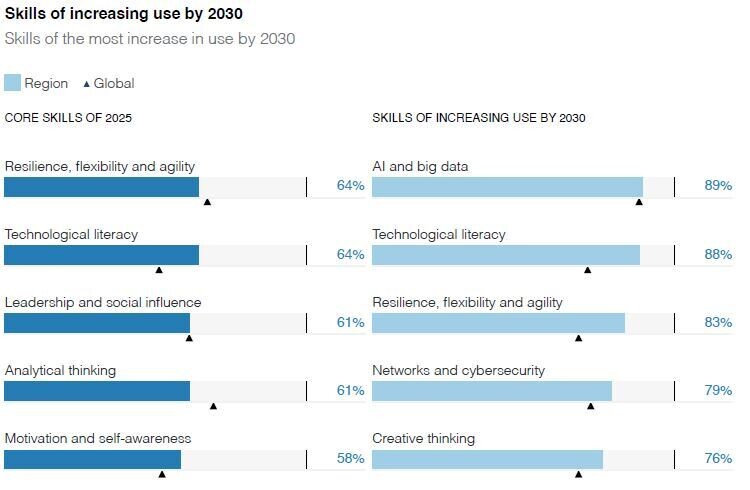
Sub-Saharan Africa’s population is forecasted to grow by 79% over the next 30 years, creating a potential talent hotspot due to its young workforce, especially in Nigeria where 70% are under 30. Employers are optimistic about talent availability, with many intending to enhance workforce development and invest in diversity initiatives. However, a skills gap poses challenges, particularly for roles in AI, big data, and cybersecurity. Remote work opportunities are increasing, allowing the region's labor force to influence the global job market, while enhancing education and skills development can improve national competitiveness and attract investment.
Burkina Faso, Republic of Korea, Senegal, South Africa, Zimbabwe | ICT, Education
The Future of Jobs in Sub-Saharan Africa: population boom can make the region a talent hotspot

Recent advancements in digital banking, insurance, and pension systems are essential for enhancing resilience, reducing inequality, and promoting sustainable growth in Asia and the Pacific, the fastest-growing global economic region. Challenges such as insufficient disaster-risk coverage, inadequate infrastructure, and climate change threats underline the region's vulnerabilities. Financial innovations like parametric insurance and AI-driven banking solutions facilitate rapid responses to economic disruptions, while pension reforms aim to support an aging population. These efforts, particularly from the private sector, are crucial in maximizing the “resilience dividend” and ensuring long-term stability.
Latin America | Health, Education, ICT, Financial services
The Resilience Revolution: From AI Bankers to Insurance That Thinks Ahead

Insured losses from climate-related disasters are projected to reach $145 billion in 2025, driven by extreme weather events like hurricanes and earthquakes. India and Pakistan are experiencing unusually high temperatures, with parts of Pakistan reaching up to 49°C, raising concerns over health and agriculture due to climate change. Additionally, climate change is causing significant shifts in Arctic ecosystems, as reported in recent studies. Extreme weather also impacts global events, such as music festivals, with a notable survey indicating 85% of attendees experienced extreme weather.
Costs for climate disasters to reach $145 billion in 2025, and other nature and climate news
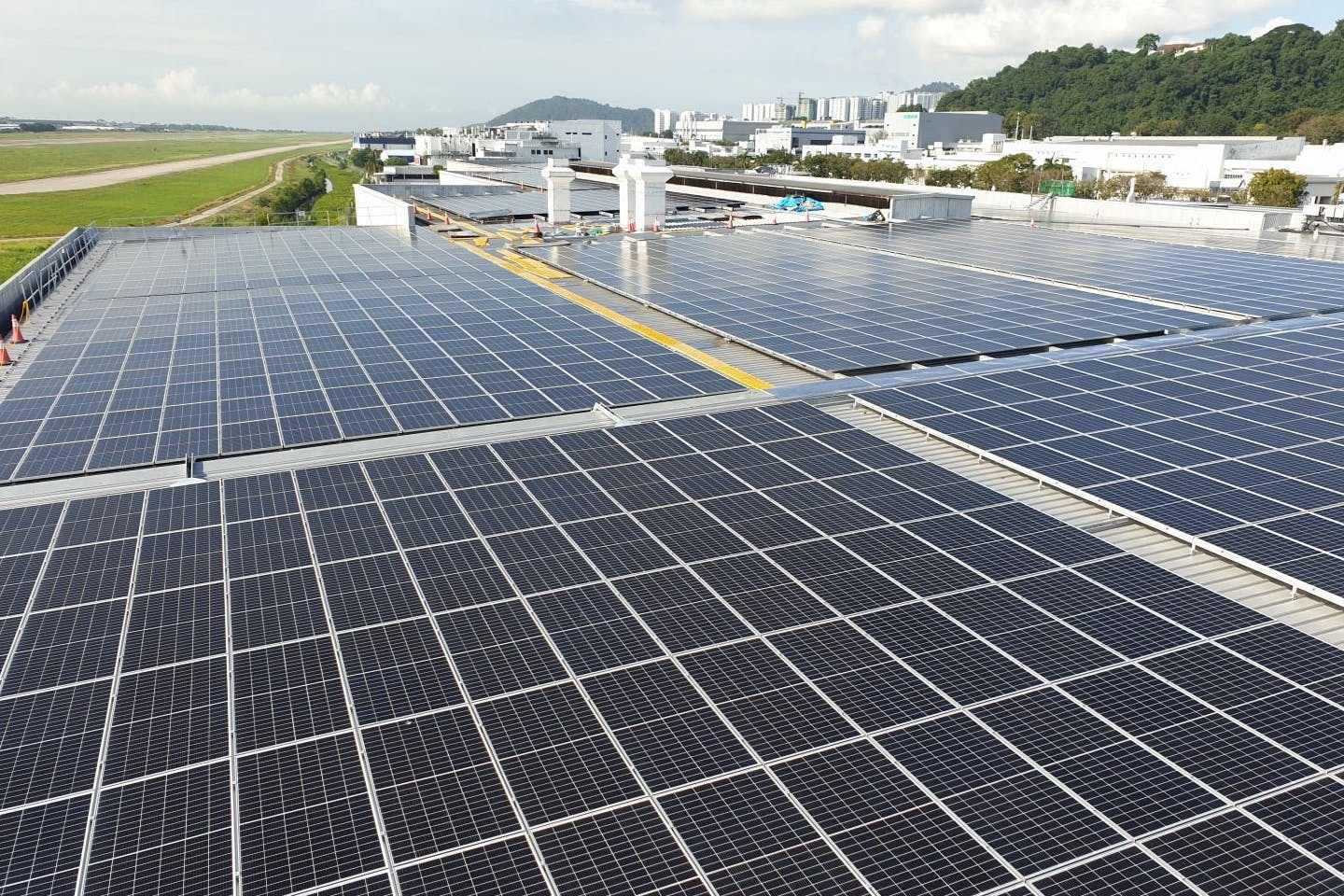
Malaysia and Singapore accounted for over 60% of the US$8 billion in green investments in Southeast Asia in 2024, reflecting a 43% increase from the previous year, driven mainly by solar projects. While these countries are making progress towards their national climate targets, others, such as the Philippines and Vietnam, lag in sustainable policies despite growth in renewable financing. The region faces a US$50 billion annual investment gap to meet 2030 decarbonization goals, with blended finance being a suggested solution, albeit facing challenges like small deal sizes and regulatory barriers.
Singapore | Financial services
Malaysia and Singapore attracted bulk of US$2.4 billion green investment hike in Southeast Asia in 2024
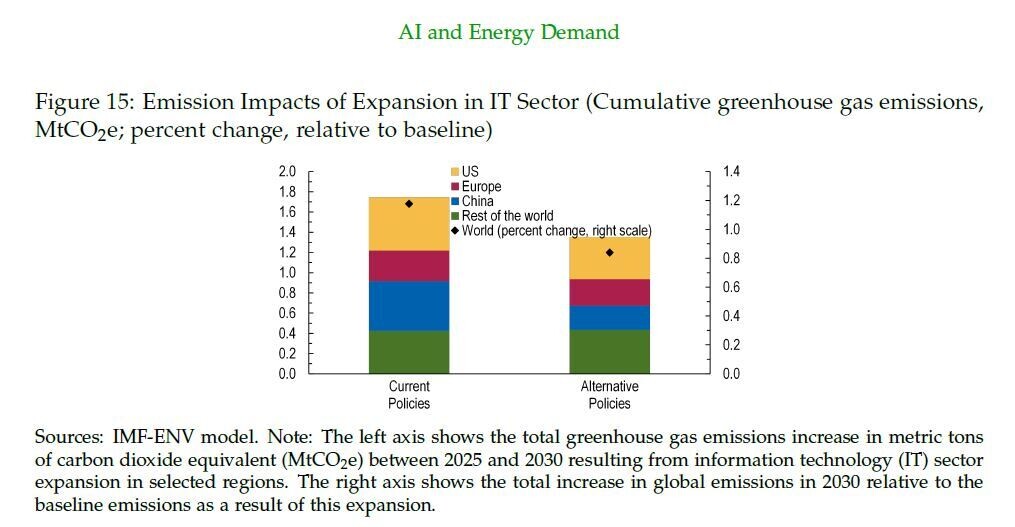
Artificial intelligence (AI) is projected by the International Monetary Fund (IMF) to boost global GDP by around 0.5% annually from 2025 to 2030, with economic benefits outweighing the costs associated with increased emissions from data centers. While AI-driven electricity needs may triple, the social cost of emissions generated remains less than the anticipated economic gains. A separate study indicates that emerging economies display greater trust in AI compared to advanced nations. Additionally, digital technologies are revolutionizing sectors like healthcare in India, enhancing access and efficiency.
Financial services, Health, ICT, Education
IMF says AI economic boost outweighs emissions cost, and other digital technology stories you need to know
The transition to a green economy globally faces challenges, particularly in the UK, where political opposition questions the feasibility of net zero targets. The UK government aims to attract foreign investment, exemplified by significant funding from companies like Tata Group and Orsted. However, this approach risks siphoning profits from local economies. Community wealth building offers an alternative by ensuring profits from green industries are reinvested locally. Successful examples include initiatives in Preston, Oldham, Lewes, and North Ayrshire that enhance local economies and sustainability. Strengthening community-focused strategies is crucial for overcoming resistance to net zero and revitalizing local economies.
Financial services
How a community-focused vision for net zero can revive local economies
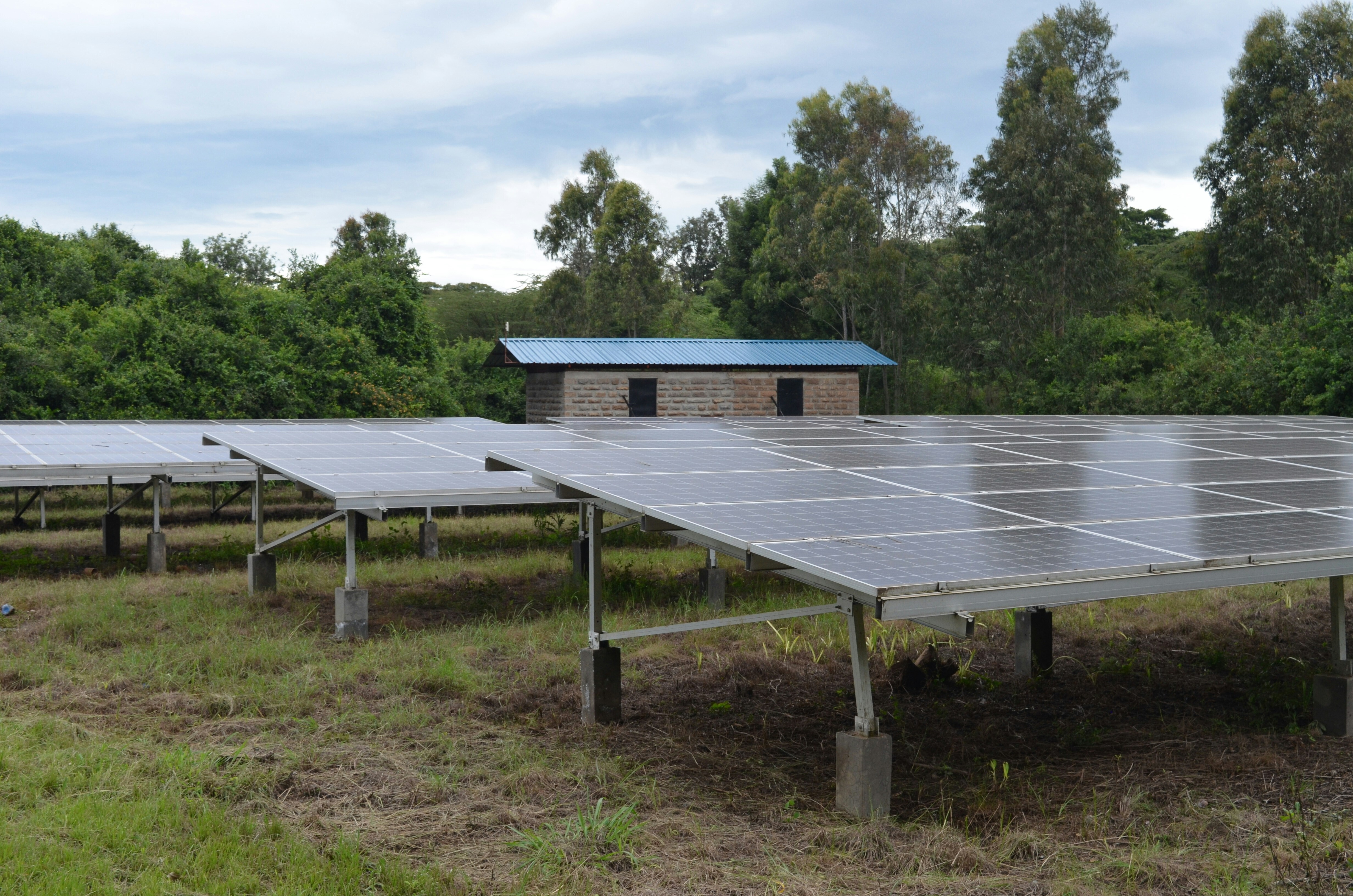
Africa's energy sector is challenged by the need to balance energy security, equity, and environmental sustainability. Over 600 million people lack electricity, and outdated infrastructure leads to frequent power outages, with over 75% of electricity generated from fossil fuels. While renewable resources like solar and wind are promising, barriers such as high capital costs and weak policy frameworks hinder their development. Sub-Saharan Africa faces significant energy poverty, while North Africa invests heavily but remains dependent on fossil fuels. Investment gaps are exacerbated by perceived risks and regulatory issues, limiting progress towards an equitable and sustainable energy future.
Burkina Faso, Ghana, Rwanda, South Africa | Financial services, Health, ICT
Africa’s energy trilemma: Achieving security, equity and sustainability

The blue economy, valued at over $3 trillion by 2030, faces a critical investment gap due to perceived risks and regulatory uncertainty. Despite supporting essential industries and acting as a climate regulator, only $13 billion was invested in ocean sustainability from 2012 to 2022. Key priorities for unlocking a sustainable ocean economy include recognizing it as a high-growth investment opportunity, de-risking ocean investments through partnerships and financing, and expanding the pipeline of bankable projects. Successful examples, like innovative offshore wind technologies and Costa Rica’s renewable energy initiatives, showcase how sustainability can drive economic growth.
The business case for a sustainable blue economy
Strategic investment in resilient, multimodal transport infrastructure—encompassing highways, railways, ports, and airports—is crucial for boosting competitiveness and fostering inclusive growth in the Asia Pacific region. Despite 1.8 billion people lacking reliable transport links, funding of $43 trillion is needed between 2020 and 2035 to address substantial shortfalls. Low-income nations show significantly less transport infrastructure per capita than wealthier ones, exacerbating costs and inefficiencies. Key actions include enhancing infrastructure quality, diversifying transport modes, prioritizing isolated regions, ensuring sustained funding, and aligning national transport policies with clear objectives to improve connectivity and reduce emissions.
Ghana, Kenya, Republic of Korea, Rwanda
Kilometers of Opportunity: Scale Up Asia Pacific Transport Through Regional Cooperation
Digital growth is increasingly reliant on energy, with global electricity consumption from devices surpassing 800 terawatt-hours annually, expected to rise significantly due to trends like cloud computing and AI. Data centers alone consumed up to 340 terawatt-hours in 2022, highlighting the urgent need for energy efficiency and clean energy integration.

Despite potential efficiency gains, the "rebound effect" can negate power savings, particularly where energy sources are fossil fuels. Solutions include advanced cooling methods, more efficient 5G technologies, and better chip designs. Policymakers can promote cleaner practices through mandates and incentives, while consumers can opt for energy-conscious devices and services. Ensuring a sustainable digital future necessitates collaborative action from all stakeholders.
Financial services, Education, ICT
Smart Tech, Green Power: Digital Growth Needs Energy Efficiency and Clean Power

The global population is ageing rapidly, yet agetech innovation struggles to keep pace due to structural challenges. Despite the projected increase in older adults, current technological solutions often fail to meet their needs. Key barriers include fragmented healthcare systems, misaligned incentives, and regulatory constraints that hinder innovation. Founders of agetech companies advocate for preventative care and emphasize the importance of user-centered design and systemic collaboration. They urge policymakers to prioritize prevention in healthcare economics and streamline processes to support early-stage technologies, ultimately aiming to enhance the functional ability and quality of life for older adults.
Financial services, Education, Health
How agetech can ease care burdens and rejuvenate the longevity economy

Investing in women's health is vital, representing a $1 trillion annual opportunity by 2040 that could enhance health outcomes, productivity, and longevity for women, who make up nearly half the global population. Despite this, women's health receives only 5% of global healthcare R&D funding. The adoption of artificial intelligence (AI) in healthcare is promising for improving diagnostics and closing gender data gaps, but requires significant investment. Bridging the gap in later-stage funding is essential for scaling healthcare innovations, with investors encouraged to support companies that address these needs effectively.
Health
Women’s health is a $1 trillion opportunity that demands greater investment

GenZero and the World Economic Forum have launched the Green Fuel Forward initiative in Singapore to enhance demand for sustainable aviation fuel (SAF) in Asia. This coalition, involving major airlines and corporates, aims to facilitate the purchase of SAF credits, enabling buyers to offset their emissions indirectly. Despite the potential, SAF currently represents only 0.3% of global jet fuel production, hindered by high costs and fragmented demand. While Singapore and Thailand plan to implement SAF mandates by 2026, the initiative seeks to create a more consistent market for SAF through innovative funding models and increased awareness.
Industry alliance launches in Singapore to spur Asia’s green jet fuel uptake
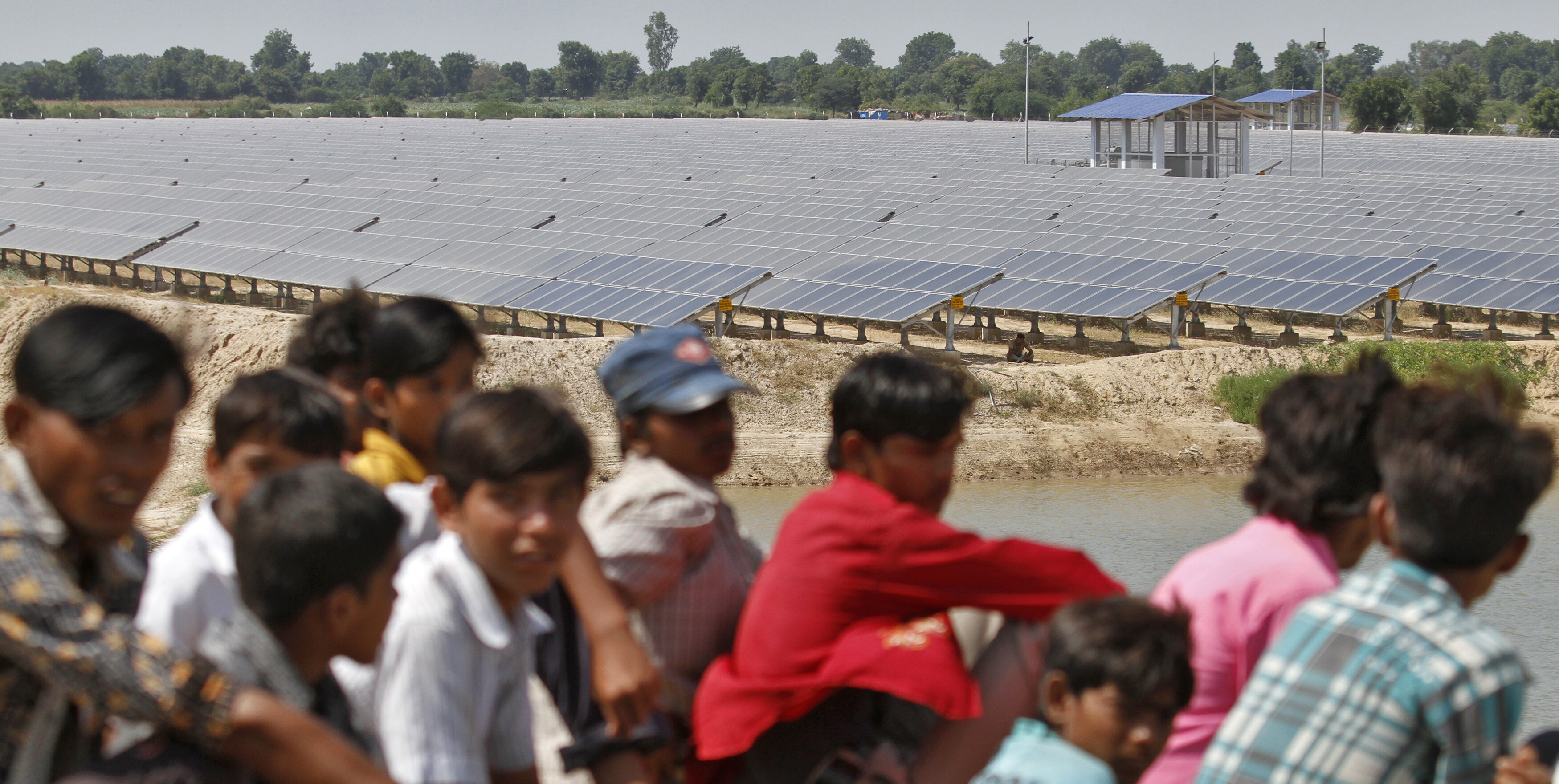
Climate-smart communities prioritize local innovation to tackle global challenges like energy access, sustainable development, and climate resilience. The Climate-Smart Villages initiative in India addresses these issues by providing reliable solar-powered energy solutions for agriculture, boosting productivity and household incomes while reducing dependence on polluting fuels. This initiative, focused on community-led development, empowers marginalized groups, especially women, enhancing their roles in decision-making and economic independence. Overall, it demonstrates that localized approaches can produce significant, equitable impacts on both livelihoods and the environment.
Education
Climate smart communities: How local solutions drive global impact
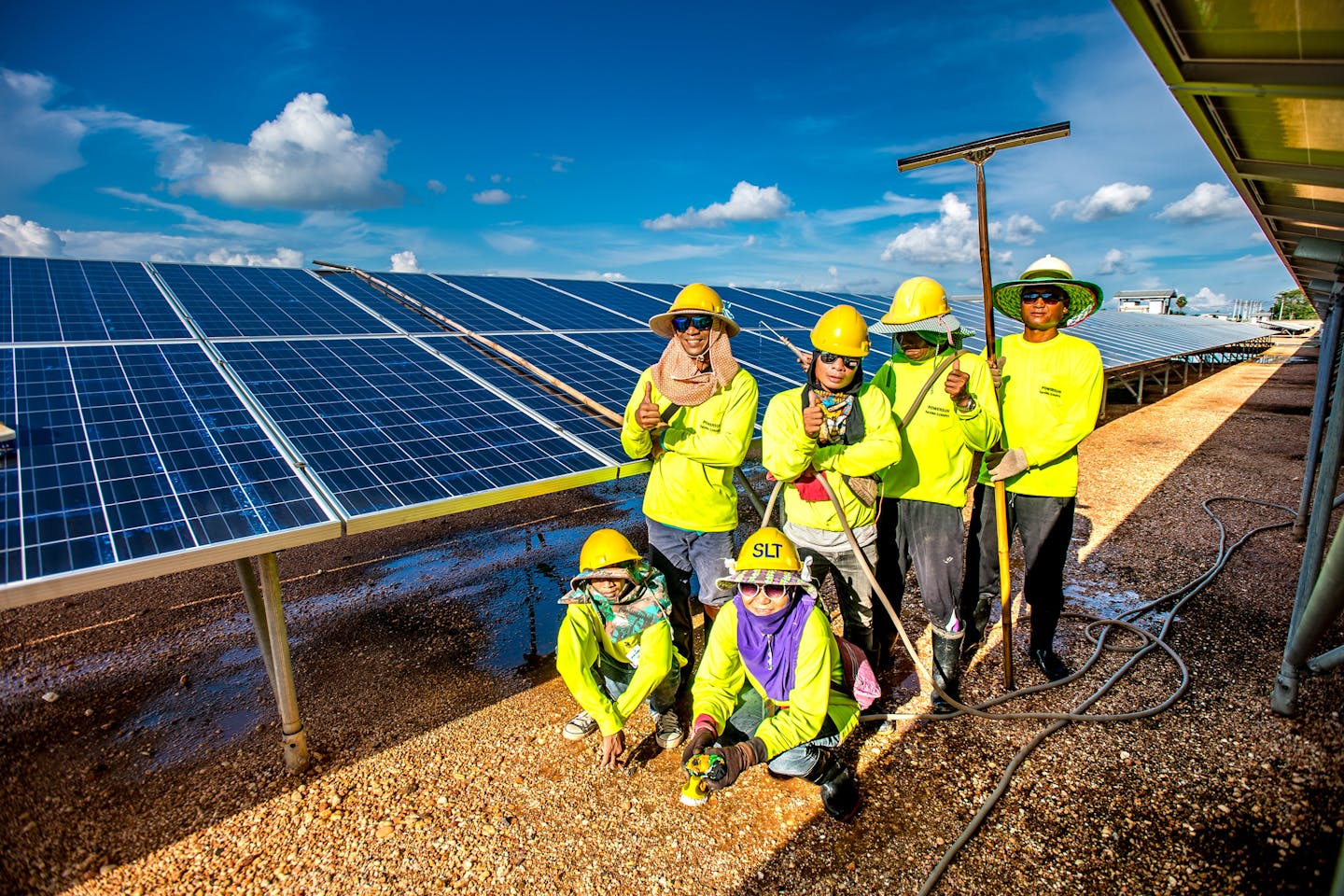
Southeast Asia is facing an energy transition due to economic growth, climate issues, and changing global markets, prompting a shift towards renewable energy. Experts highlight that the region can enhance local energy resilience by learning from China's rapid adoption of renewables and Vietnam's successful feed-in tariff programs, which prioritized solar and wind investments. Economically, renewable projects involve lower ongoing costs compared to fossil fuels, shielding economies from market volatility. Southeast Asia has potential to develop a robust renewable supply chain, focusing on components beyond solar panels, with opportunities in offshore wind sectors as well.
Australia, India, Indonesia, Myanmar, Pakistan, Republic of Korea, Singapore, Sri Lanka, Thailand, Viet Nam
Q&A: How Southeast Asia can seize the renewable energy opportunity

Cities increasingly serve as innovative hubs for water management, effectively addressing challenges like scarcity and infrastructure issues. Valencia exemplifies a private-sector led approach through the digitization of water operations, resulting in enhanced efficiency and customer satisfaction via the integrated platform Xylem Vue. In contrast, Singapore’s state-led model emphasizes strategic planning, scientific collaboration, and public-private partnerships, exemplified by its successful desalination and water recycling projects. Both cities demonstrate that distinct governance models can drive transformative water solutions through community engagement and collaborative innovation efforts.
Financial services, Health, Education
What can we learn from cities about water innovation?

Asia faces a critical juncture in its food systems, with 1.9 billion people lacking access to healthy diets amid rising food prices and resource degradation. To achieve sustainable food security, the region must modernize infrastructure, empower smallholders, and transform value chains. Innovative approaches like digital cooperatives and precision agriculture can drive productivity. Additionally, investments in environmental restoration and efficient irrigation are essential. Enhancing nutrition through policy reforms and leveraging the potential of young workers can bridge economic gaps, ultimately fostering a sustainable and equitable food landscape in Asia.
Bangladesh | Health, ICT, Education
How Asia Can Revolutionize Its Food Systems-Before It’s Too Late
Small farmers in Asia are enhancing food security and income through innovative partnerships with agribusinesses, supported by favorable policies and financing. Despite facing challenges such as limited market access and poor inputs, initiatives like tailored fertilizers in India and farmer training in Mongolia are boosting yields and profits. Forward contracts in Bangladesh and training programs in Mongolia encourage sustainable practices and increase earnings. Collaborative models that ensure both investment and shared risk result in stable livelihoods, promoting sustainable agriculture and local economies across the region.
Financial services
Seed Money: How Asia’s Small Farmers Are Quietly Reshaping Big Food
The recent all-women spaceflight on Blue Origin's New Shepard has ignited debate over who qualifies as an astronaut. Critics argue that passengers like Katy Perry and Gayle King do not meet FAA criteria, as they were not crew members or contributing to mission safety. The FAA defines astronauts as those who fly above 50 miles and participate in essential activities. While Blue Origin claims space begins at the Kármán line (62.1 miles), experts disagree on this boundary's validity. Additionally, the differentiation in reactions to male and female space travelers has fueled the controversy surrounding the astronaut title amidst the rise of private space travel.
Who gets to be called an astronaut? Private space travel has reignited debate over use of prestigious title
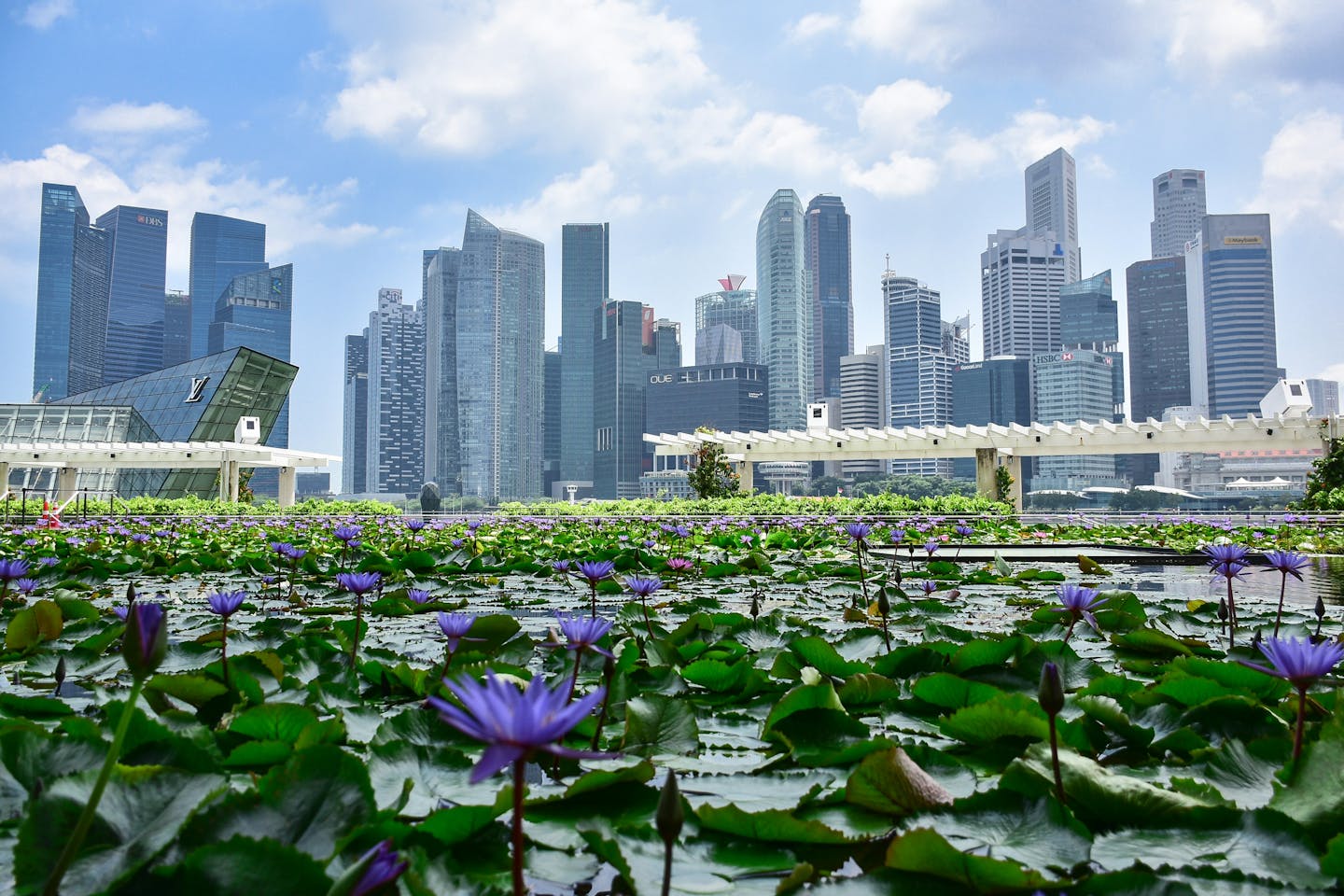
Temasek will convene leading climate finance figures in Singapore to develop practical strategies for achieving 2030 decarbonisation goals. Notable attendees include executives from BlackRock, HSBC, and major carbon project registries. The summit aims to emphasize green pragmatism, addressing challenges like trade tensions and rising energy costs that threaten climate initiatives. Speeches will advocate for economically viable decarbonisation solutions, shifting the discussion from the 'green premium' to potential 'green discounts' in renewable energy. Participants are urged to take proactive measures to combat climate change amidst market uncertainties.
ASEAN | Financial services
Green pragmatism takes centrestage as Singapore state investor hosts annual climate summit