Publications

Pioneering the Future: Space
Technologies Poised to Revolutionize
Exploration and Economy by 2035

INSIGHT REPORT

September 2026

Pioneering the Future: Space
Technologies Poised to Revolutionize Exploration and Economy by 2035

FACTSHEETS

June 2026

Future of Space Law:
Operationalizing Space Governance

WHITE PAPER

March 2026

Clear Orbit, Secure Future:
 A Call to Action on Space Debris

REPORT

Jan 2026

The Future of Space Law
 Insights from the ATS, UNCLOS, and ITU Frameworks

WHITE PAPER

December 2025

The Future of Space Law: 
The Evolving Dynamics of Air and Space Regulation

WHITE PAPER

 September  2025

The Future Of Space Law

News

Centre for Space Futures, Novaspace and SpaceTech Gulf  Sign Agreement to Develop Global Space Capability Mapping Dashboard

Riyadh, Saudi Arabia , 23 Jun 2026|  Press Release

Clear Orbit, Secure Future: A Call to Action on Space Debris

Riyadh, Saudi Arabia, 26 Jan 2026 | Press Release

Centre for Space Futures Holds Workshop with Participation of 40 Global Experts

Riyadh, Saudi Arabia, 05 Dec 2025 | Press Release

Centre for Space Futures Releases White Paper on 'The Future of Space Law'

Riyadh, Saudi Arabia, 12 Sep 2025 | Press Release

The Board of Directors of the Centre for Space Futures Endorses Its Strategic Direction

Riyadh, Saudi Arabia, 26 May 2025 | Press Release

Saudi Space Agency to Launch the Centre for Space Futures with the World Economic Forum

Riyadh, Saudi Arabia, 29 April | Press Release

5 ways we can tackle growing risks from rocket bodies in orbit

Dec 09, 2025 | Economic Growth, Stories

Read More

Forum Agenda

Forum Videos

VIDEO

Press Conference: Centre for Space Futures in Riyadh

The World Economic Forum's Special Meeting, April 29, 2024

VIDEO

The Purpose of Astronauts at Davos 2024

World Economic Forum , March 9, 2024

VIDEO

PortWatch: Monitoring Trade Disruptions from Space

World Economic Forum , Dec 18, 2023

VIDEO

India's Moon Mission Triumph: Ambassador Ruchira Kamboj's Insights

World Economic Forum , Aug 23, 2023

VIDEO

Space Exploration is Back at Davos 2023

World Economic Forum , Feb 16, 2023

Forum Publications

Strategic Intelligence Insights

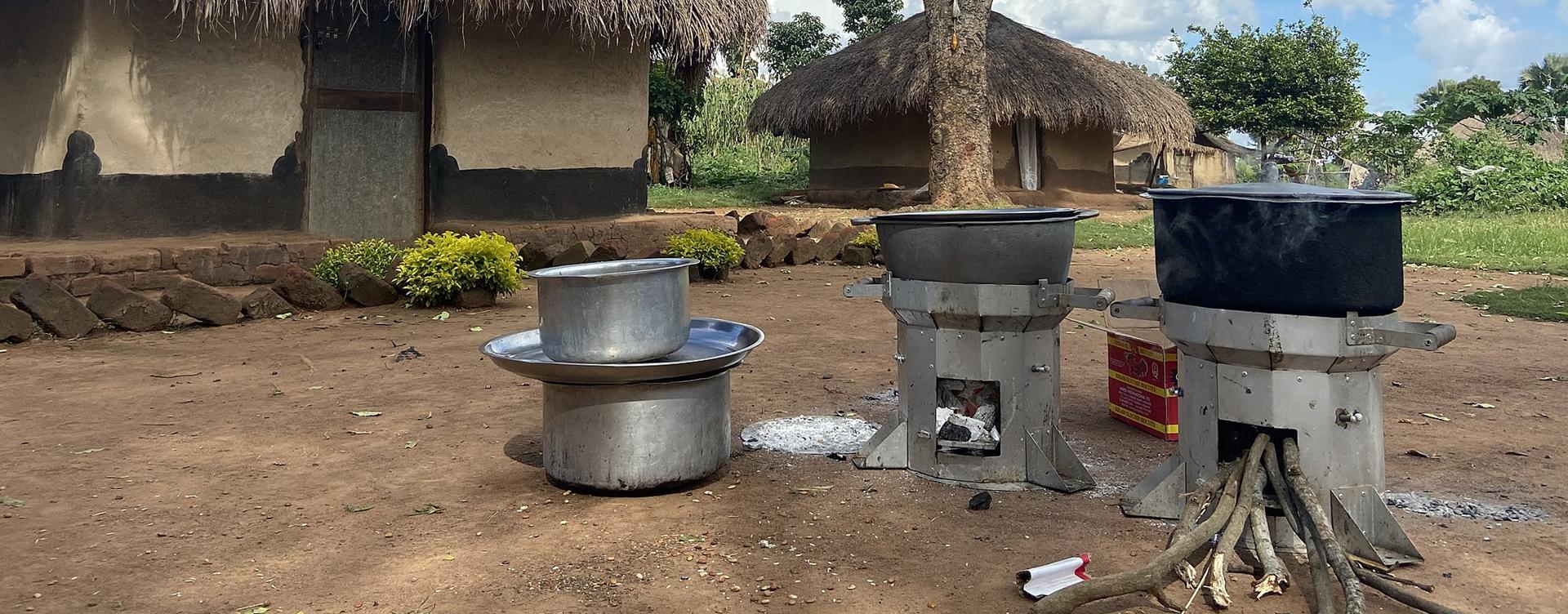
Access to electricity in Africa is rising but remains significantly low and uneven, with only 58% of the population having electricity for basic needs in 2023. This leaves 626 million people without grid access and highlights severe energy poverty. Africa, despite having 60% of the world’s best solar resources, only contributed 5.7% of global energy production in 2023. Electrification disparities exist, particularly between urban and rural areas; rural access is as low as 19.6% in low-income countries. Poor infrastructure and regional grid separation impede progress. Electricity access is essential for economic growth, education, and healthcare, with major implications for human development across the continent.
Africa, Latin America
Why Africa’s electrification matters to the world
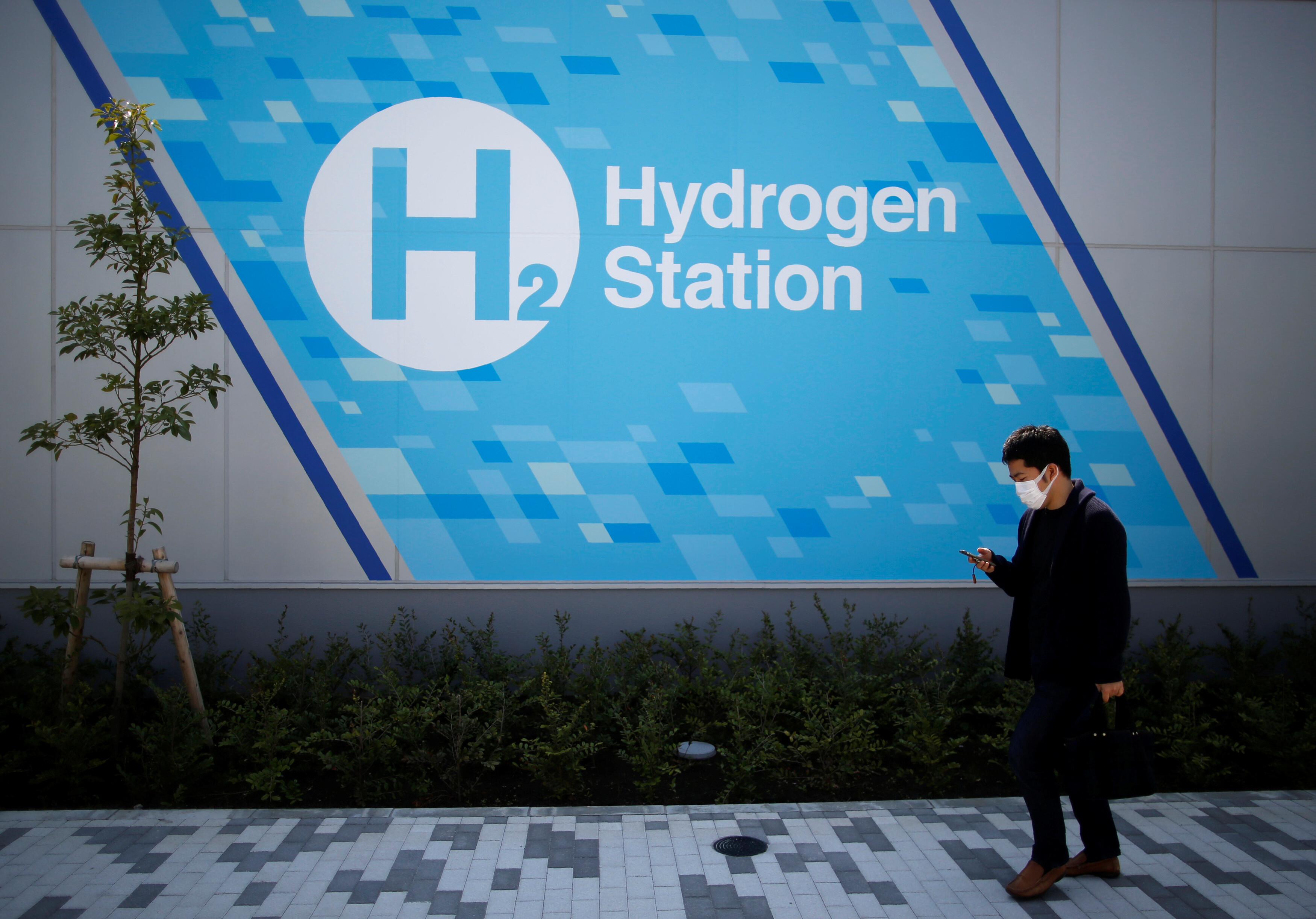
Japan aims to establish a 'hydrogen society' by integrating hydrogen across multiple sectors, including transportation, steel production, and energy. The country’s ambitious hydrogen strategy, initiated in 2017, has evolved to prioritize safety, energy security, economic efficiency, and environmental sustainability, amidst practical challenges. Japan's energy insecurity, stemming from heavy reliance on energy imports, drives its hydrogen initiative, but high costs and dependence on foreign supplies pose significant hurdles. Despite plans to procure 12 million tons of hydrogen annually by 2040, uncertain demand and an underdeveloped global supply chain keep the future landscape ambiguous.
Austria, Germany, Hungary, Japan, Norway, Republic of Korea, United Kingdom
Japan’s hydrogen gamble: What the world can learn from this high-stakes energy bet
The IMF has raised the risk of a US recession to 40%, driven by President Trump's tariff policies, and downgraded its US growth forecast for 2025 to 1.8%. Trade tensions are increasing inflation and financial instability, impacting consumer sentiment and business confidence. Emerging economies in Asia are responding by enhancing intra-regional trade amidst the US-China conflict, adopting a 'China+1' strategy to diversify supply chains. Despite expected slowdowns, regional cooperation is on the rise to mitigate tariff impacts. US stock markets showed gains recently, bolstered by tech shares and easing trade tensions.
Financial services
IMF raises US recession risk as tariffs drive global economic slowdown, and other finance news to know
Climate change poses significant risks to cities, necessitating urgent adaptation efforts due to a persistent "adaptation gap." Effective climate resilience requires moving beyond mere recovery toward proactive strategies that reduce risk. Key approaches include:

1. **Bouncing Forward**: Encourage rebuilding that improves safety and integrates better planning, as seen in post-earthquake Christchurch.
2. **Risk-Informed Planning**: Assess vulnerabilities with a holistic approach, considering interconnected risks and demographic factors.
3. **Transformative Action**: Address underlying vulnerabilities and inequalities, exemplified by Bangladesh's floating gardens for food security during floods.
4. **Collective Approaches**: Foster collaboration across communities, ensuring that all areas adopt inclusive and comprehensive adaptation measures.
Health, Financial services, Education
Five ways to make cities more resilient to climate change
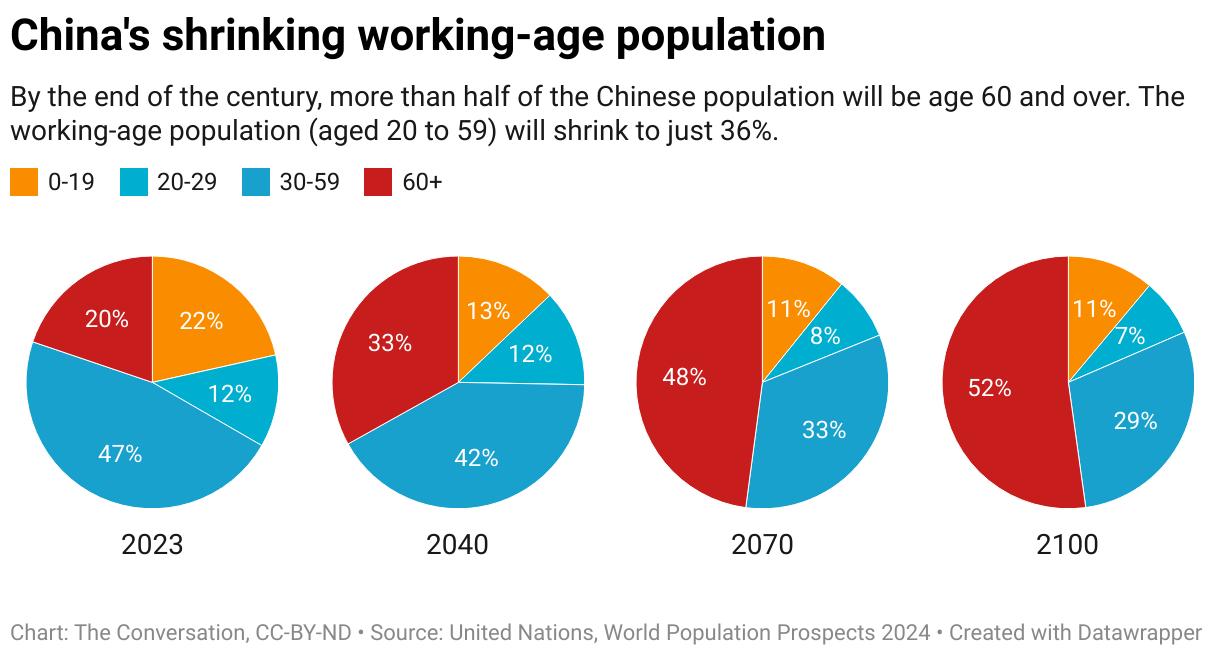
Robotics skills are increasingly in demand in China, where over 90% of organizations view AI and robotics as essential for business transformation. The country faces a decline in the working-age population, prompting a need for extensive reskilling and upskilling. China's market leads globally in industrial robot installations and is also advancing in climate technology, contributing to job creation. However, the shrinking workforce poses a long-term challenge, with projections showing just 36% of the population being of working age by 2100. Addressing skills gaps is critical for future economic growth, supported by government initiatives.
Republic of Korea, Singapore, Thailand, United Kingdom | Financial services, ICT, Education
The future of jobs in China: the rise of robotics and demographic decline are opening up skills gaps
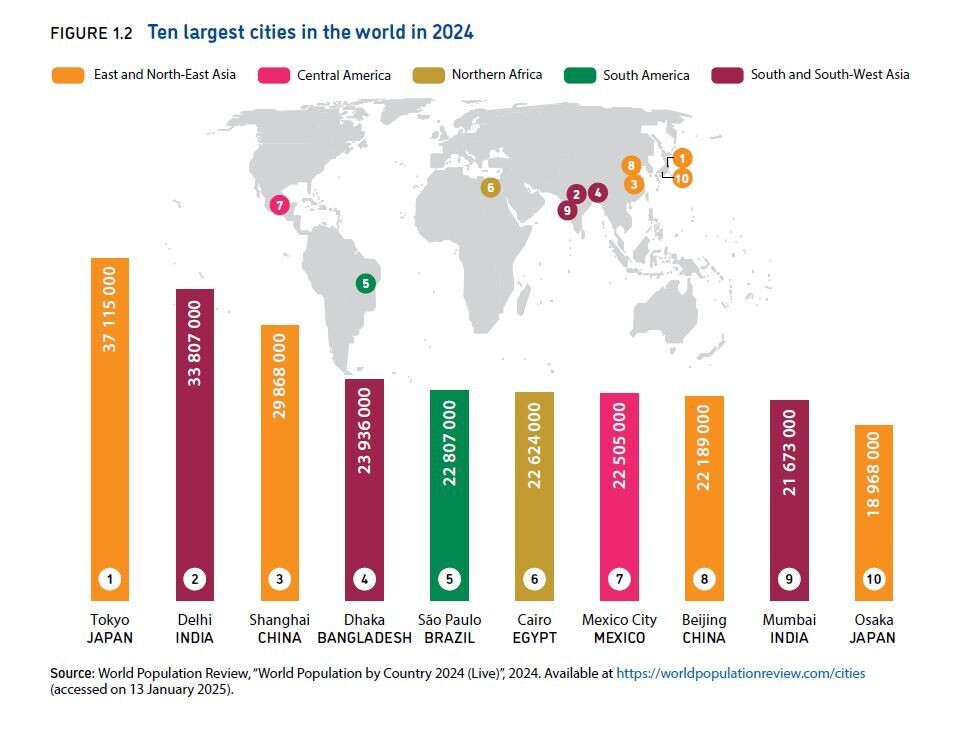
Asia's megacities face significant challenges due to rapid urban growth, risking increased inequality and overwhelmed public services, according to a UN report. Record heatwaves exacerbate dangers for vulnerable populations, particularly in informal settlements. Urban aging is shifting demographics, necessitating adaptations in infrastructure. ESCAP emphasizes the need for inclusive reforms, integrated planning, and innovative financing for sustainable growth. Meanwhile, twelve startups in San Francisco were recognized for sustainable innovations. A study also indicated that higher electric vehicle use could result in increased CO2 emissions if fossil fuels dominate the energy grid.
Thailand | Financial services, Health, ICT, Education
Asia's megacities at a crossroads – and other urban transformation stories to read this month
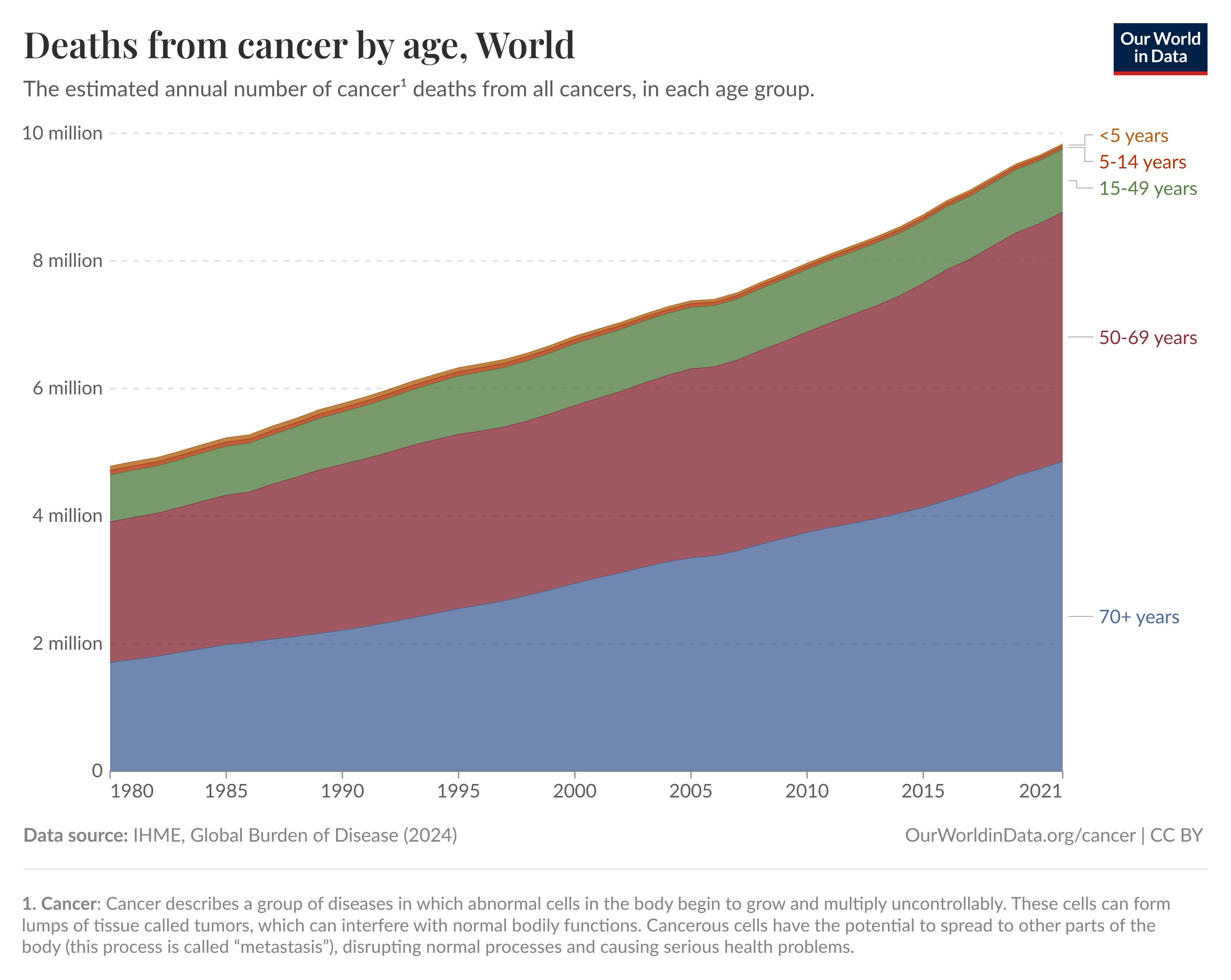
Older adults respond effectively to immune checkpoint inhibitors in cancer treatment, showing comparable results to younger patients despite age-related immune changes. This highlights the potential of these therapies for older populations, which account for most cancer cases and deaths. Additionally, the EU and Germany are advancing healthcare through AI initiatives, improving access to health data for enhanced patient care and research. Other health news includes efforts to expedite clinical trials, innovations in malaria vaccine delivery in Nigeria, and growing concerns over antimicrobial resistance, emphasizing the need for global health strategies.
Africa | Health
Cancer drugs equally effective for elderly as young, research shows – and other top health stories
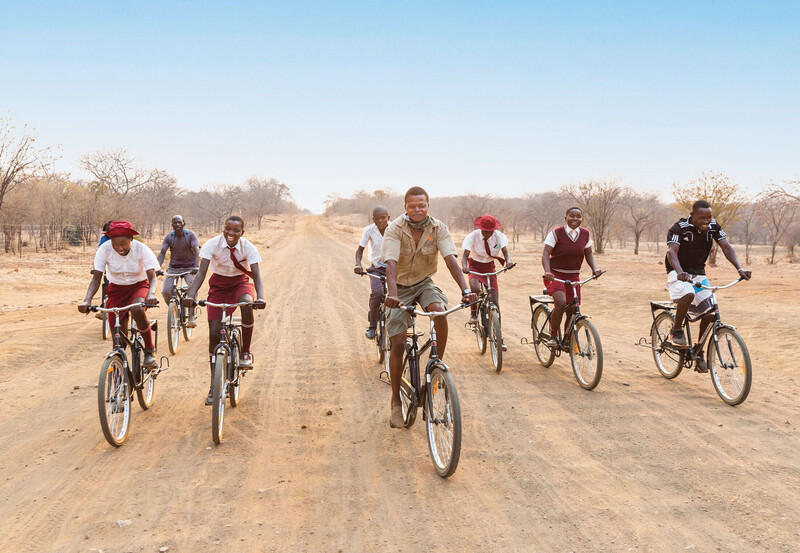
The international development sector must shift from a charity-based model to one focused on self-sufficiency and collaboration with local actors. With recent aid cuts from various countries exposing vulnerabilities in reliance on donor nations, solutions should prioritize community needs and local leadership. Effective programs integrate decision-making and resources at the community level, promoting sustainable outcomes through market-based approaches. Successful examples demonstrate the resilience of diversified funding structures and the significance of supportive infrastructure. This new era of development emphasizes locally-driven partnerships designed for lasting progress, moving beyond traditional metrics to measure autonomy and equity.
Latin America | Financial services, Education, Health
A new era in global aid: Why locally led, market-based solutions are the best route to resilience

Sustainable construction is now an urgent priority rather than a trend, highlighted by the 2025 Sustainable Construction Barometer. The survey, which includes input from various stakeholders across 27 countries, shows a rising awareness, with 67% familiar with sustainable practices. However, gaps in action persist; only 30% of professionals systematically evaluate project carbon footprints, and 28% feel adequately trained. Different regions prioritize unique challenges, such as building resilience against climate hazards or using eco-friendly materials. To drive progress, a focus on training and the human benefits of sustainable construction is essential.
Sustainable construction: What's needed to drive action in 2025 and beyond?

NBS compiles the latest in business sustainability research, focusing on in-press articles to showcase innovative findings from top journals. The March 2025 edition includes studies on topics such as corporate activism, digital sustainability solutions, social justice narratives, and impacts of corporate social responsibility. Noteworthy articles also address issues like modern slavery, carbon emissions, and the intersection of business and public health, promoting a comprehensive overview of current sustainability challenges and strategies.
United Kingdom | Health, Financial services
Table of Contents: March 2025

Stagnant peace under a singular world government poses a threat to human progress, suggesting that conflict may be necessary for growth. The article discusses the historical context and evolution of the United Nations, emphasizing that it was established by victors of war to manage power relationships rather than abolish conflict. Though military technology, particularly in air and space, predicates global unification, the potential benefits of competition among smaller sovereign entities are highlighted. Historical patterns show that significant human advancements often arise from periods of conflict rather than prolonged peace.
The Orbital Authority
Investment in sustainable infrastructure is crucial for closing a projected $15 trillion infrastructure gap by 2040. Currently, institutional investors allocate only 5% of their portfolios to infrastructure, despite sustainable assets performing over 20% better under net zero scenarios. Climate risks expose infrastructure to higher insurance costs and potential losses, emphasizing the need for resilience measures. Frameworks like the FAST-Infra Label can enhance market confidence and standardize sustainability metrics. Long-term trends such as the clean energy transition and urbanization further drive demand for sustainable infrastructure investments, presenting significant opportunities for investors.
Education, Financial services
Why investment in sustainable infrastructure is key to financial resilience in a changing climate

Hyper-scaling AI computational power presents significant potential, but the energy demands may outstrip Earth’s capabilities. The Moon offers a viable alternative for energy needs, as AI workloads are projected to consume an increasing share of global electricity—up to 4.5% by 2030. Major companies like Microsoft and Amazon are turning to nuclear energy to meet their data center requirements, highlighting the urgency for sustainable energy sources. The continual push for greater computational power and accuracy in AI highlights the necessity of finding innovative energy solutions.
The Moon Should Be a Computer
Global data centres are projected to consume more electricity than Japan by 2030, with consumption jumping from 415 terawatt-hours (TWh) in 2024 to 945 TWh, primarily driven by the US and China. AI's impact on energy efficiency is noted, though coal remains a major energy source. Renewable energy could meet nearly 50% of new demands due to growth in solar, wind, and hydro sources. Additionally, a new prototype for green hydrogen production can generate drinking water as a byproduct, potentially reducing costs significantly. Lego is opening a $1 billion clean energy factory in Vietnam by 2026.
Education
Global data centres expected to consume more electricity than Japan by 2030, and other technology news you need to know
Mysterious interstellar objects (ISOs) like 'Oumuamua and the Borisov Comet have been detected passing through our solar system, revealing materials from distant star systems. Researchers propose missions to study ISOs more closely, utilizing artificial intelligence and innovative technologies to enhance detection and interception. Although large ISOs are rare, upcoming missions, including NASA’s Bridge and ESA’s Comet Interceptor set for 2029, aim to improve our capabilities to observe these fleeting visitors. Future advancements could enable faster, more efficient targeting of ISOs, potentially offering significant insights into far-off celestial environments.
Mysterious objects from other stars are passing through our solar system. Scientists are planning missions to study them up close

Five chief economists highlight critical long-term economic trends affecting the global economy. Global trade is evolving due to geopolitical tensions, with protectionist measures increasingly dominating over liberalizing policies. Demographic shifts are impacting workforces, particularly in developed countries facing an ageing population while younger populations grow in Africa and Asia. Lastly, artificial intelligence is rethinking productivity, potentially adding up to $4.4 trillion annually by 2040 and enabling broader task execution among employees. Understanding these trends is vital for fostering sustainable and inclusive economic growth.
Australia, Republic of Korea, Switzerland, Thailand, United Kingdom | Financial services, Health, ICT, Education
We asked 5 economists about long-term economic trends. Here's what they said
The UK government has allocated £65 million for Borealis, a new software system designed to enhance military satellite defense against increased threats in space. This investment highlights the strategic importance of space systems for critical infrastructure and the rising risks from state-sponsored attacks on satellites. A comprehensive security approach is necessary, addressing all segments of space systems and considering the entire lifecycle and various threats. Retrofitting security measures poses significant technical and financial challenges, compounded by the global nature of space operations and varying security regulations. Raising public awareness of these risks is crucial for justifying future investments in space security.
Financial services
New UK system to protect satellites against attack shows how global conflict has spilled into outer space

The World Economic Forum's 2025 Annual Meeting in Davos focused on "constructive optimism," encouraging collaboration to address global challenges. Key initiatives included advancements in AI governance, climate action through the Transitioning Industrial Clusters initiative, and improving maternal health in Nigeria. The meeting highlighted the transformative role of AI and the urgency in democratizing technology to ensure equitable benefits. Leaders emphasized building on economic fundamentals and fostering innovation while addressing systemic challenges collectively, showcasing successes in various sectors and advocating for tangible, cooperative solutions.
Belgium, Colombia, Germany, Japan, Philippines, Switzerland, United Kingdom | ICT, Financial services, Health, Education
How collaboration and technology are shaping the future economy
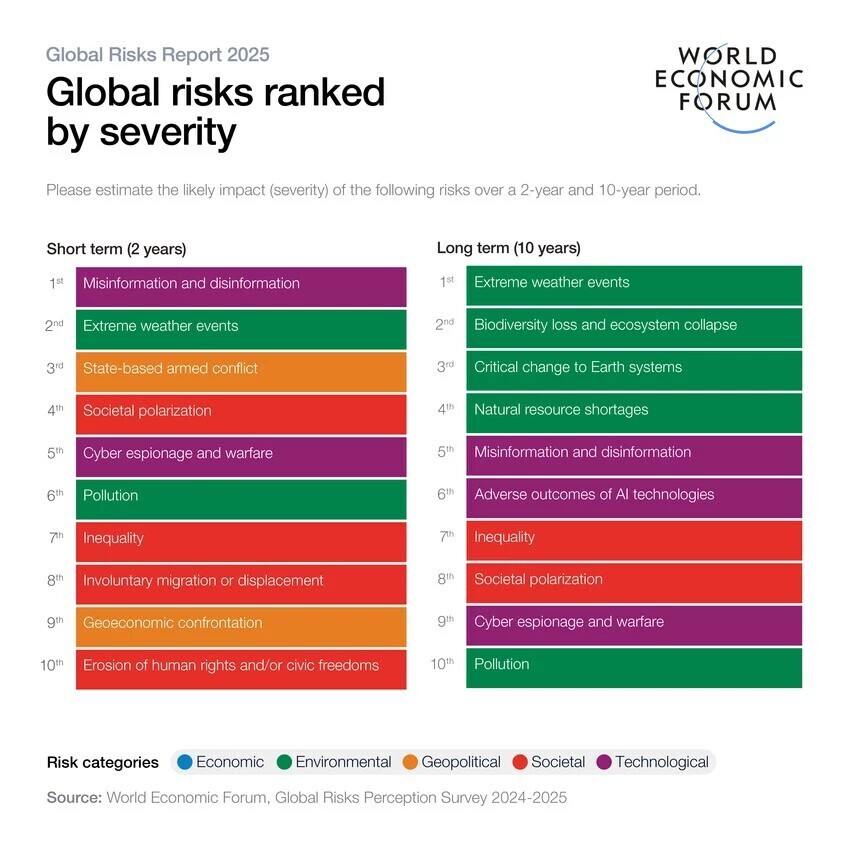
The World Economic Forum has introduced a four-step guide, "The Intervention Journey," to enhance digital safety and address online harms, emphasizing the need for collaboration across sectors. The steps include identifying risks, designing safety measures, implementing strategies, and ensuring ongoing feedback and transparency. Additionally, Microsoft plans to launch 11 AI cybersecurity agents to tackle growing cyber threats, while various global initiatives highlight advancements in AI and digital technologies in sectors like banking, fashion, and healthcare.
Africa | Health, Education, ICT
Global roadmap launched to strengthen digital safety, and other digital technology stories you need to know
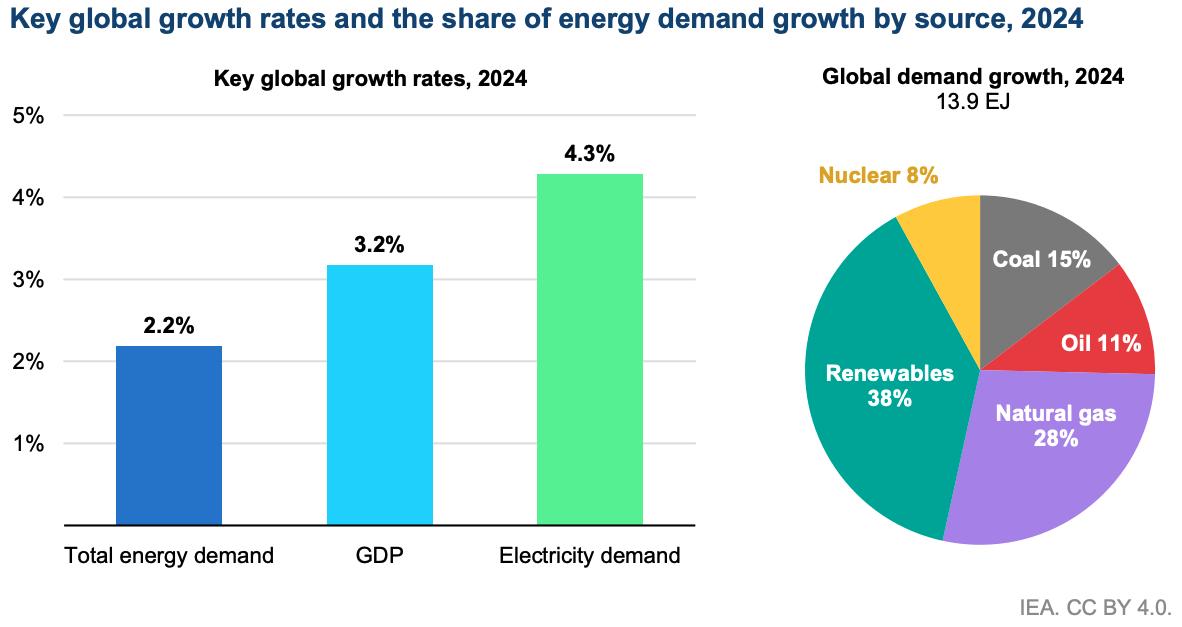
Global energy demand surged by 2.2% in 2024, nearly double the recent average, largely driven by emerging economies and a resurgence in advanced economies, with electricity consumption increasing by 4.3%. China's BYD has surpassed Tesla in EV sales, aided by new ultra-fast charging technology that enhances range significantly. Investment in energy technologies continues, with Schneider Electric pledging $700 million in the US and Bosch focusing on electrolyzer components for hydrogen production. Additionally, record prices for copper and advancements in fusion energy and nuclear projects are highlighted as significant developments within the sector.
India
Surge in global energy demand growth, and more top energy stories