
Publications

Pioneering the Future: Space
Technologies Poised to Revolutionize
Exploration and Economy by 2035

INSIGHT REPORT

September 2026

Pioneering the Future: Space
Technologies Poised to Revolutionize Exploration and Economy by 2035

FACTSHEETS

June 2026

Future of Space Law:
Operationalizing Space Governance

WHITE PAPER

March 2026

Clear Orbit, Secure Future:
 A Call to Action on Space Debris

REPORT

Jan 2026

The Future of Space Law
 Insights from the ATS, UNCLOS, and ITU Frameworks

WHITE PAPER

December 2025

The Future of Space Law: 
The Evolving Dynamics of Air and Space Regulation

WHITE PAPER

 September  2025

The Future Of Space Law

News

Centre for Space Futures, Novaspace and SpaceTech Gulf  Sign Agreement to Develop Global Space Capability Mapping Dashboard

Riyadh, Saudi Arabia , 23 Jun 2026|  Press Release

Clear Orbit, Secure Future: A Call to Action on Space Debris

Riyadh, Saudi Arabia, 26 Jan 2026 | Press Release

Centre for Space Futures Holds Workshop with Participation of 40 Global Experts

Riyadh, Saudi Arabia, 05 Dec 2025 | Press Release

Centre for Space Futures Releases White Paper on 'The Future of Space Law'

Riyadh, Saudi Arabia, 12 Sep 2025 | Press Release

The Board of Directors of the Centre for Space Futures Endorses Its Strategic Direction

Riyadh, Saudi Arabia, 26 May 2025 | Press Release

Saudi Space Agency to Launch the Centre for Space Futures with the World Economic Forum

Riyadh, Saudi Arabia, 29 April | Press Release

5 ways we can tackle growing risks from rocket bodies in orbit

Dec 09, 2025 | Economic Growth, Stories

Read More

Forum Agenda

Forum Videos

VIDEO

Press Conference: Centre for Space Futures in Riyadh

The World Economic Forum's Special Meeting, April 29, 2024

VIDEO

The Purpose of Astronauts at Davos 2024

World Economic Forum , March 9, 2024

VIDEO

PortWatch: Monitoring Trade Disruptions from Space

World Economic Forum , Dec 18, 2023

VIDEO

India's Moon Mission Triumph: Ambassador Ruchira Kamboj's Insights

World Economic Forum , Aug 23, 2023

VIDEO

Space Exploration is Back at Davos 2023

World Economic Forum , Feb 16, 2023

Forum Publications

Strategic Intelligence Insights

Bio-fermented silk fiber offers a sustainable, high-performance alternative to traditional silk and other animal-derived materials, leveraging AI-driven protein engineering and precision bio-fermentation. This innovative approach reduces environmental impact, contributes less than 20% to overall production burdens compared to conventional methods, and supports a circular economy due to its biodegradability. With extensive market potential across various industries, including textiles and automotive, biofabricated materials are positioned to disrupt the fabric industry by meeting rising demands for eco-friendly and scalable solutions.
How silk fibre produced using bio-fermentation could disrupt the fabric industry

Philanthropy currently allocates less than 2% of its funding to climate change mitigation, despite the urgent need for ecological action. As trillions are transferred to younger generations, sustainable investing and environmental philanthropy can thrive. Key opportunities include supporting innovative projects in fossil-free steel production and decarbonizing agriculture, mobilizing impactful collaborations, enhancing GHG monitoring through better data systems, and capitalizing on the growing interest of next-gen investors in sustainable solutions. Wealth managers play a crucial role in connecting these emerging opportunities to sustainable capital flows.
Financial services, Education, Health
5 opportunities to catalyze Earth action through philanthropy and sustainable investing

Encouraging savings is crucial for financial resilience, as many individuals lack the funds to handle unexpected expenses. Financial insecurity is a systemic risk exacerbated by global challenges like inflation and geopolitical tensions. Proactive savings systems are essential, yet traditional approaches remain reactive, often surfacing only after a crisis. Employers can significantly contribute by integrating savings options into payroll, enhancing employee engagement and productivity. Addressing the global $50 trillion savings gap requires collaboration across sectors, leveraging technology and public policy to support sustainable financial solutions.
Africa | Health, Education, Financial services
Why encouraging people to save is the key to financial resilience

Germany's economy faces significant challenges, including high energy costs and changing global trade dynamics. However, there are promising signs of resilience, driven by innovation, a strong Mittelstand, and government fiscal reforms. Emphasizing long-term investments through a "total fund management" approach is crucial for adapting to the "re-industrial era." While historical strengths in manufacturing face structural pressures and competition, shifts in fiscal culture and resource ties may bolster growth. Germany's ability to transform and embrace new economic demands will determine its future leadership in industrialization.
Australia, Austria, Belgium, Chile, Czech Republic, Denmark, Egypt, France, Germany, India, Italy, Japan, Jordan, Kenya, Luxembourg, Malaysia, Netherlands, Nigeria, Pakistan, Poland, Portugal, Republic of Korea, Russian Federation, Rwanda, Saudi Arabia, South Africa, Spain, Sweden, Switzerland, Taiwan, China, Tanzania, Tunisia, Ukraine, United Arab Emirates, United Kingdom, Viet Nam | Financial services, ICT, Education
Germany’s economic crossroads could lead it to thrive in the 're-industrial era'

Imagining a positive future is essential for driving progress, as hope and optimism mobilize creativity, resilience, and innovation, transforming challenges into opportunities. Historical examples, such as Europe's reconstruction and Singapore's reinvention, illustrate how hopeful visions lead to significant social transformations. Psychological and neuroscientific studies support the notion that positive thinking enhances emotional regulation, decision-making, and mental well-being. Creating favorable future scenarios fosters individual performance and social cohesion, while also informing strategic planning. In a complex global landscape, positive narratives are crucial for initiatives aligned with sustainable development goals.
Africa | Health, Education
Why is imagining a positive future crucial for progress?

China is rapidly advancing its space capabilities, having launched over 800 satellites and surpassed the UK in the number of satellites in orbit. The Thousand Sails satellite internet project aims for over 14,000 satellites by the 2030s, competing directly with SpaceX's Starlink. Recent achievements include a record-breaking spacewalk by Chinese astronauts and significant lunar exploration milestones, including sample returns from the Moon's far side. With ambitions articulated by leader Xi Jinping for national prestige, the U.S. finds itself in an underrecognized space race that could lead to losing its competitive edge in space exploration.
The New Space Race with China
The practical know-how of AI is crucial for its effective adoption and realization of economic benefits. As the "know-how economy" emerges, companies are struggling to leverage AI investments into tangible returns due to a lack of shared knowledge. Successful examples show businesses like Savion Ray and Yum Bakery transforming operations through effective AI usage, signaling a shift where knowledge becomes a valuable currency. This democratization of AI know-how enables a wider range of professionals to contribute to AI applications, emphasizing the importance of soft skills and business acumen alongside technical expertise.
United Arab Emirates | Financial services, ICT, Education
AI know-how is the final piece of the adoption puzzle. Here's why

Climate hazards, such as storms and wildfires, pose increasing threats to businesses, significantly driving up costs and reducing operational efficiency. The need for companies to reassess their climate resilience strategies is urgent, as extreme weather increasingly impacts fixed assets and worker productivity. A study estimates that climate hazards could lead to $560-610 billion in annual losses for listed companies by 2035. Key industries, including travel, utilities, and telecom, could face losses exceeding 20% of their earnings. Investing in climate resilience yields significant returns, with effective strategies focusing on mitigating losses, seizing adaptation opportunities, and fostering collaboration within communities.
Nigeria | Financial services
How climate hazards are reshaping business realities and responses

The demographic transition is reshaping the world, with over one in four people in countries experiencing population peaks, alongside increasing life expectancy and declining birth rates. This situation poses urgent challenges and unique opportunities. Key trends include the need for resilient retirement systems, transitioning financial strategies from savings to spending, enhancing employer roles in financial well-being, addressing caregiving economics, and fostering growth pathways. Without decisive action, the potential for financial instability and overwhelmed care systems grows, necessitating collaboration among governments, businesses, and civil society to ensure generational prosperity.
Africa, Latin America | Financial services, Education, Health
Future-Proofing the Longevity Economy: Innovations and Key Trends

The world is currently experiencing a critical demographic transition, with over 25% of the population in peak demographic countries. This change, characterized by rising life expectancy and declining birth rates, poses significant challenges and opportunities. Five key trends shaping the longevity economy are identified: developing resilient public retirement systems, transitioning savings to decumulation, enhancing employer roles in financial well-being, addressing caregiving economics, and promoting financial growth pathways. Immediate action is essential to avert financial instability, care system overload, and an unprepared workforce, underscoring the need for collaborative efforts among governments, businesses, and society.
Africa, Latin America | Education, Financial services, Health
Future-Proofing the Longevity Economy: Innovations and Key Trends

Modern spacesuits face a serious interoperability problem, as demonstrated by the recent return of NASA astronauts Suni Williams and Butch Wilmore from the International Space Station on a SpaceX Crew Dragon, after initially arriving in Boeing suits incompatible with the spacecraft. This issue poses risks in emergencies, where differing suit designs may not support life-sustaining functions during evacuations. The absence of interoperability protocols among nations and private companies increases danger amid rising space debris and overcrowding in orbit. Effective solutions for compatible spacesuits are essential for astronaut safety in future missions.
Modern spacesuits have a compatability problem. Astronauts’ lives depend on fixing it

NASA astronauts Suni Williams and Butch Wilmore faced compatibility issues with their spacesuits after being forced to return to Earth via SpaceX's Crew Dragon instead of Boeing's Starliner. The difference in suit designs poses a significant risk for emergency evacuations, as suits must interoperate with any spacecraft used. Spacesuits are crucial for astronaut safety during decompression events, a risk highlighted by the fatal Soyuz 11 incident in 1971. As the number of human spaceflight entities grows, ensuring spacesuit compatibility becomes essential for astronaut safety amid increasing space debris hazards and potential emergencies.
Modern spacesuits have a compatibility problem. Astronauts’ lives depend on fixing it
NASA astronauts Butch Wilmore and Suni Williams have returned to Earth after 286 days on the ISS, following technical difficulties that extended their mission. They completed over 150 scientific experiments, with Williams breaking the record for female spacewalking time. In technology news, global smartwatch sales fell for the first time, driven by a 19% decline in Apple Watch shipments. However, the children's segment showed growth. Other highlights include Lenovo's solar-powered laptop prototype, BYD's new EV charging platform, and the launch of an all-electric sea glider.
South Africa
Stranded NASA astronauts return to Earth, and other technology news you need to know
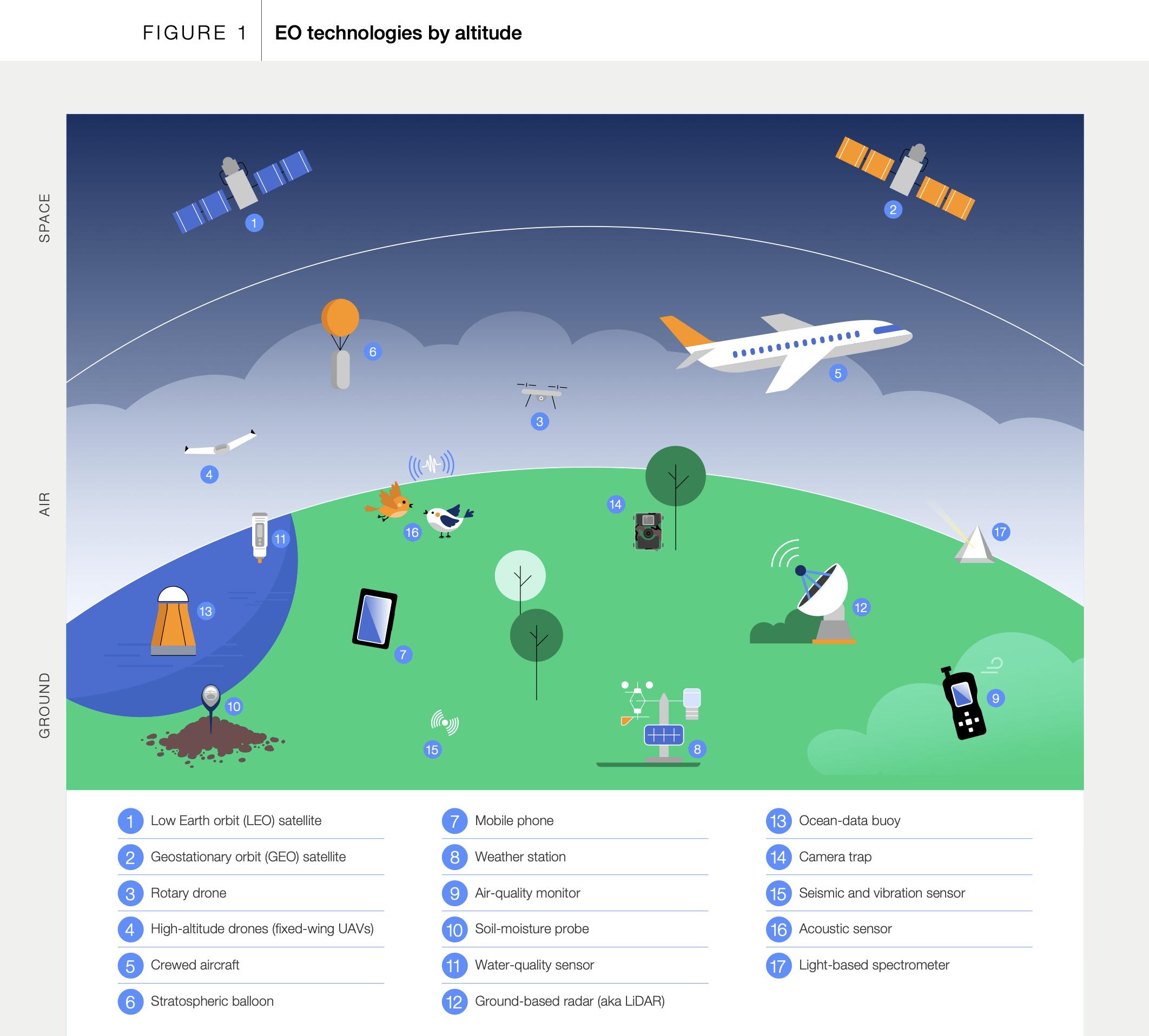
Earth Observation (EO) integrates data from various sources to enhance decision-making in business and policy, enabling organizations to anticipate risks and respond effectively to global challenges. Key applications of EO include early warning systems for natural hazards, vulnerability analysis to assess environmental risks, and improved accountability through transparent monitoring of environmental impacts. EO also drives efficiency in sectors like agriculture, construction, and logistics by providing precise data for resource management. Successful EO implementation requires organizations to remain agile, leveraging evolving technologies while addressing barriers to adoption.
Cape Verde, Estonia, Ethiopia, Indonesia, United Arab Emirates | Health, ICT, Education
Earth Observation can help tackle global challenges from space – here’s how

Growth equity is crucial for scaling climate solutions, as it bridges the gap between early-stage innovation funded by venture capital and the commercialization of these technologies. By investing in high-growth businesses, growth equity firms provide essential capital and operational expertise. This approach accelerates decarbonization while achieving attractive returns for investors. Key sectors identified for investment include grid infrastructure, e-mobility, and carbon transparency solutions. Institutional investors are increasingly focusing on quantifiable impacts alongside financial returns, making rigorous sustainability assessments standard practice in the industry.
Bolivia, Cape Verde, Chile, Denmark, Egypt, Estonia, Eswatini, Ethiopia, Finland, Germany, Ghana, Haiti, Iceland, Indonesia, Jordan, Paraguay, Peru, Qatar, Rwanda, Senegal, Seychelles, Singapore, Sweden, Switzerland, Tanzania, Uganda, United Arab Emirates, United Kingdom | Financial services, Health, ICT, Education
How growth equity can accelerate investment in climate solutions
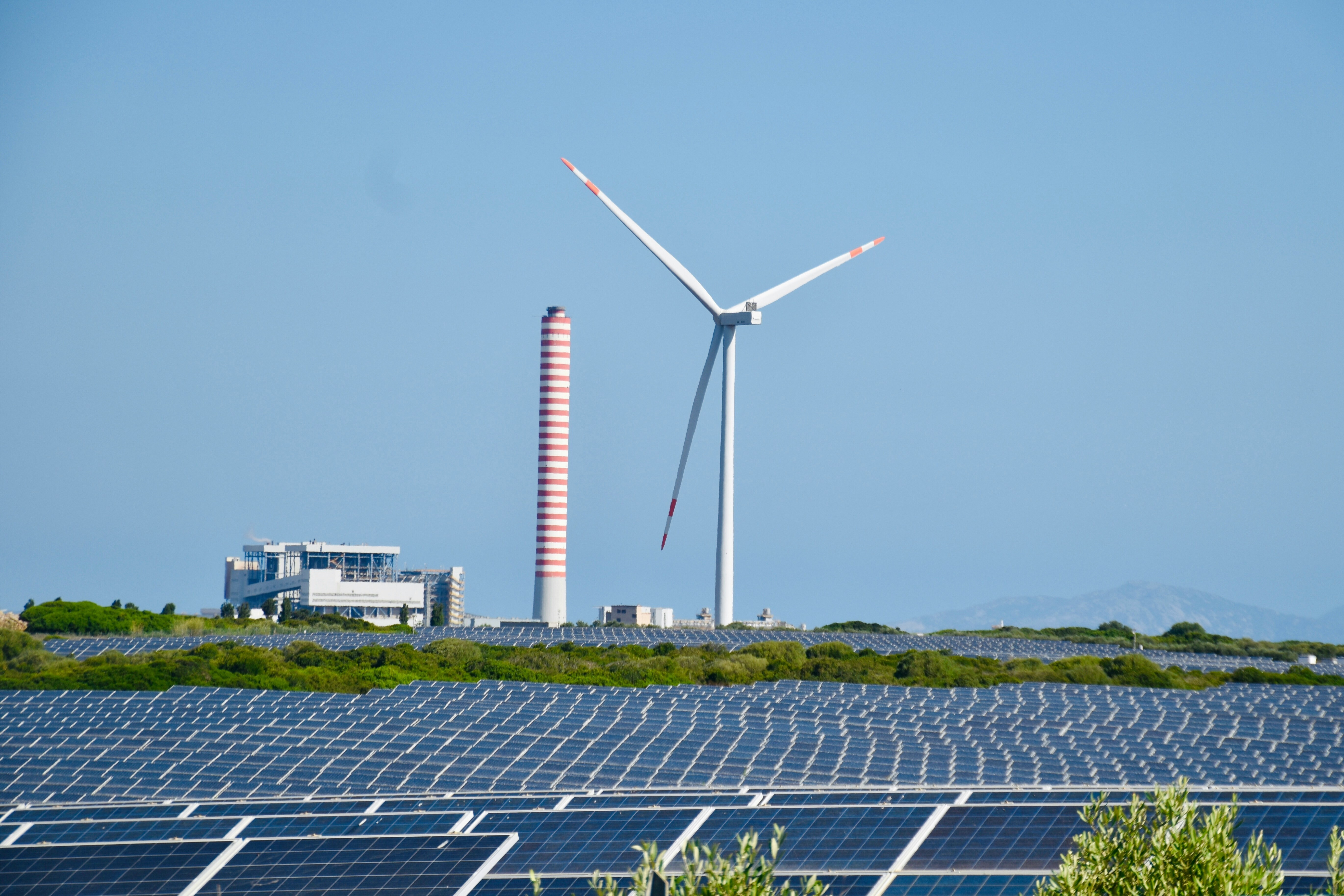
The transition to a net-zero future through renewable technologies like solar, wind, and electric vehicles is creating significant waste, including discarded solar modules, turbine blades, and lithium-ion batteries. The volume of this waste is expected to surge without proactive management, risking a new environmental crisis. A sustainable approach requires a circular economy focused on waste prevention, reduction, reuse, and recycling. Strategies include sustainable design, market incentives for durability, repurposing retired components, and enhancing recycling infrastructure. Addressing renewable energy waste is crucial for achieving environmental goals while maintaining economic value and sustainability.
Sweden | Financial services, Health, ICT, Education
How technology designed to help us reach net zero can also leave zero waste

Nokia, Honeywell Aerospace Technologies, and Numana have partnered to accelerate the global adoption of Quantum-Safe Networks (QSN), starting with deployments in Montreal, Canada. The collaboration combines Numana’s Kirq Quantum Communication Testbed with Nokia’s post-quantum networking infrastructure and Honeywell’s satellite-based quantum encryption keys to enhance data integrity. The initiative supports quantum innovation strategies in Quebec and Canada, focusing on education, ecosystem development, and research to advance secure communications. This strategic partnership aims to transform Quebec into a global leader in quantum communication technologies.
Education, ICT
Nokia and Honeywell Aerospace Technologies Partner with Numana to Advance Quantum-Safe Networks

Track and trace technologies are essential for creating a circular plastics economy by enhancing transparency, accountability, and recycling efficiency. These technologies enable companies to verify recycled content, ensure compliance, and build consumer trust, addressing key challenges of plastic pollution. Tools like blockchain offer transparency and secure tracking, while data-driven platforms promote accountability and incentivize sustainable practices. However, significant obstacles such as inadequate funding, regulatory uncertainty, and difficulties in scaling hinder progress. To overcome these challenges, fostering partnerships and establishing clear data standards are crucial for driving investment and broader implementation of traceability solutions.
Barbados, Belgium, Burkina Faso, Costa Rica, Denmark, Egypt, Ethiopia, Germany, Ghana, Indonesia, Ireland, Japan, Luxembourg, Paraguay, Peru, Poland, Republic of Korea, Russian Federation, Rwanda, Singapore, Sweden, Switzerland, Taiwan, China, Tanzania, Thailand, Tunisia, Uganda, United Kingdom | Financial services, Health, Education, ICT
How track and trace technologies are evolving to help tackle plastic pollution

Cities are increasingly adopting mobility technologies to enhance transportation efficiency and meet climate goals. This includes the use of AI, electric vehicles, and autonomous systems, with San Francisco, Singapore, and Helsinki leading by example. These cities prioritize innovative solutions and invest in infrastructure, achieving high rankings in the Urban Mobility Readiness Index. Public transit remains the most sustainable option, with increasing ridership post-COVID. Initiatives include Singapore’s public transit innovation center and Helsinki’s green hydrogen production. Embracing technologies like robo-taxis and air taxis is seen as essential for improving mobility and addressing climate challenges.
3 ways cities can accelerate towards the future of transport

The Asian Economic Integration Report 2025 analyzes the impact of regional integration on economic growth in Asia and the Pacific, emphasizing its benefits in trade, investment, finance, migration, remittances, and tourism. It advocates for renewed regional cooperation to mitigate external shocks, suggesting modernization of trade agreements, enhanced financial frameworks, and advancements in digitalization to foster economic prosperity and address upcoming challenges.
Australia, Bahrain, Bangladesh, Barbados, Benin, Bolivia, Burkina Faso, Cambodia, Chile, Colombia, Costa Rica, Dominican Republic, Egypt, Ethiopia, Georgia, Germany, Ghana, Hungary, India, Indonesia, Jamaica, Japan, Jordan, Kenya, Kyrgyz Republic, Malaysia, Myanmar, New Zealand, Pakistan, Paraguay, Peru, Philippines, Republic of Korea, Russian Federation, Rwanda, Saudi Arabia, Senegal, Seychelles, Singapore, South Africa, Switzerland, Taiwan, China, Tajikistan, Tanzania, Thailand, Tunisia, Uganda, Ukraine, United Arab Emirates, United Kingdom, Viet Nam, Yemen, Zambia, Zimbabwe | ICT, Financial services, Health
Asian Economic Integration Report 2025: Harnessing the Benefits of Regional Cooperation and Integration