Publications

Pioneering the Future: Space
Technologies Poised to Revolutionize
Exploration and Economy by 2035

INSIGHT REPORT

September 2026

Pioneering the Future: Space
Technologies Poised to Revolutionize Exploration and Economy by 2035

FACTSHEETS

June 2026

Future of Space Law:
Operationalizing Space Governance

WHITE PAPER

March 2026

Clear Orbit, Secure Future:
 A Call to Action on Space Debris

REPORT

Jan 2026

The Future of Space Law
 Insights from the ATS, UNCLOS, and ITU Frameworks

WHITE PAPER

December 2025

The Future of Space Law: 
The Evolving Dynamics of Air and Space Regulation

WHITE PAPER

 September  2025

The Future Of Space Law

News

Centre for Space Futures, Novaspace and SpaceTech Gulf  Sign Agreement to Develop Global Space Capability Mapping Dashboard

Riyadh, Saudi Arabia , 23 Jun 2026|  Press Release

Clear Orbit, Secure Future: A Call to Action on Space Debris

Riyadh, Saudi Arabia, 26 Jan 2026 | Press Release

Centre for Space Futures Holds Workshop with Participation of 40 Global Experts

Riyadh, Saudi Arabia, 05 Dec 2025 | Press Release

Centre for Space Futures Releases White Paper on 'The Future of Space Law'

Riyadh, Saudi Arabia, 12 Sep 2025 | Press Release

The Board of Directors of the Centre for Space Futures Endorses Its Strategic Direction

Riyadh, Saudi Arabia, 26 May 2025 | Press Release

Saudi Space Agency to Launch the Centre for Space Futures with the World Economic Forum

Riyadh, Saudi Arabia, 29 April | Press Release

5 ways we can tackle growing risks from rocket bodies in orbit

Dec 09, 2025 | Economic Growth, Stories

Read More

Forum Agenda

Forum Videos

VIDEO

Press Conference: Centre for Space Futures in Riyadh

The World Economic Forum's Special Meeting, April 29, 2024

VIDEO

The Purpose of Astronauts at Davos 2024

World Economic Forum , March 9, 2024

VIDEO

PortWatch: Monitoring Trade Disruptions from Space

World Economic Forum , Dec 18, 2023

VIDEO

India's Moon Mission Triumph: Ambassador Ruchira Kamboj's Insights

World Economic Forum , Aug 23, 2023

VIDEO

Space Exploration is Back at Davos 2023

World Economic Forum , Feb 16, 2023

Forum Publications

Strategic Intelligence Insights

Water scarcity, pollution, and climate-related events are critically threatening global water systems, vital for economic growth and community health. To build water resilience, partnerships, innovative governance, and tailored financing are essential. Key strategies include holistic water valuation, fit-for-purpose financing, basin-level partnerships, adaptive governance, and a policy-innovation nexus. Effective collaborations across sectors can help mitigate economic risks associated with water issues, emphasizing the integral role of water in over 60% of global GDP. Addressing these challenges requires sustainable, long-term investment and coordinated action at local and global levels.
Nigeria | ICT, Education, Health, Financial services
Why safe and secure water is critical for economic growth and thriving societies worldwide

Open innovation technology, particularly through tokenization, fosters secure global collaboration and knowledge-sharing across industries. It shifts power from centralized corporate structures to transparent, community-driven ecosystems, promoting trust and equitable value distribution. Tokenization enhances innovation by enabling shared technologies and decentralized incentives, driving sustainable growth. The ongoing "hyper-tokenization" trend, supported by increasing crypto adoption, positions open innovation as essential for tapping into global talent and creative solutions, transcending traditional industry boundaries. This evolution highlights a cultural shift towards greater creativity and collaborative problem-solving in the business landscape.
Africa | Financial services, Health, Education, ICT
How open innovation technology is driving collaboration across borders

The annual re-entry of thousands of defunct satellites poses significant risks to the Earth's ozone layer and climate. Currently, over 28,000 objects orbit the planet, with projections suggesting this number will exceed 60,000 by 2030. Each re-entering satellite releases aerosols containing metals like aluminum and lithium, which may affect atmospheric thermal balance and drive climate change. Some particles could potentially cool the Earth, but their long-term consequences are uncertain. Increased satellite debris also risks reopening the ozone hole, threatening public health by raising exposure to harmful UV radiation, with pollutants persisting for decades.
Antarctica
Thousands of satellites are due to burn up in the atmosphere every year – damaging the ozone layer and changing the climate

Decarbonization in real estate is primarily driven by sound business logic rather than political pressure. Effective decarbonization reduces energy costs, manages risks, and protects long-term asset value. With rising energy prices, companies can achieve significant cost savings through energy efficiency upgrades. There is a strong demand for low-carbon office and industrial spaces, but supply is currently insufficient. Compliance with emerging regulations presents a pressing financial reality, as non-compliance could lead to substantial penalties. Furthermore, tightening financing rules are incentivizing proactive decarbonization strategies among property owners.
Financial services
Why the economic case for decarbonization of real estate outweighs the politics

Access to freshwater is rapidly diminishing, impacting billions and threatening economic stability. Increased frequency of droughts, floods, and rising water pollution necessitate urgent action to prevent a tipping point. The rising demand for water, driven by population growth and consumption shifts, compounds the challenge, with water's economic value at approximately $58 trillion. Collaborative efforts through the World Economic Forum’s Water Futures Community, alongside McKinsey & Company, aim to enhance water resilience by promoting multi-stakeholder action and investment to secure water for societies and global economies.
Financial services, Education, Health
Water Futures: Mobilizing Multi-Stakeholder Action for Resilience

Access to freshwater is under significant threat due to increasing water stress, affecting billions globally. Frequent droughts, floods, and rising pollution necessitate urgent action to avoid reaching a critical tipping point. Water resilience is vital for economic stability and business continuity, with demand intensified by population growth and the energy transition. Valued at $58 trillion, water's significance is immense. The World Economic Forum’s Water Futures Community aims to mobilize multi-stakeholder collaboration for sustainable solutions, emphasizing the need for collective action to enhance water resilience effectively.
Financial services, Health
Water Futures: Mobilizing Multi-Stakeholder Action for Resilience

Threats to ocean health, including overfishing, biodiversity loss, and pollution, necessitate a sustainable blue economy that balances economic development with ecosystem preservation. Sustainable Development Goal 14, focused on ocean health, suffers from inadequate investment. Initiatives like the World Bank’s PROBLUE fund and the UN's Sustainable Blue Economy initiative aim to support sustainable ocean practices. Quantifying the benefits of marine ecosystems through non-market valuation can attract investment and secure funding, such as blue bonds. A collaborative financial ecosystem involving various sectors is essential for advancing ocean sustainability and achieving goals outlined in the UN's Ocean Decade.
Antarctica | Financial services, Health
To save our ocean, we need a sustainable blue economy

Consumer confidence in the US has declined significantly due to economic policy uncertainty, with a 22% drop in the University of Michigan’s Index of Consumer Sentiment since December 2024. Investor nervousness is reflected in a slip of 10-year Treasury yields and a softening dollar. In Germany, a fiscal overhaul has been announced, allowing increased defense spending and an infrastructure fund of €500 billion. The European Central Bank has also cut interest rates to stimulate growth amid high uncertainty. Global growth is expected to moderate, with the OECD revising GDP growth forecasts downwards.
Egypt, Germany, Ghana, Hungary, Luxembourg, Poland, Singapore, Sweden, Taiwan, China, United Kingdom | Financial services
Consumers take fright at US policy trajectory, and other key economic news to know

A diverse energy generation infrastructure is essential to meet the growing global electricity demand, with emerging markets expected to drive 85% of this increase by 2040. A mix of renewable energy, traditional power plants, energy storage, and modernized grids is required for a reliable, affordable, and sustainable supply. Immediate measures include optimizing existing infrastructure, enhancing grid capacity, and improving energy efficiency. Long-term strategies involve expanding renewable energy, deploying more energy storage, and integrating advanced technologies. Reducing the cost of capital is critical for scaling investments in clean energy technologies.
Financial services, ICT, Education
Powering the future: How to meet global energy demand in the age of electricity
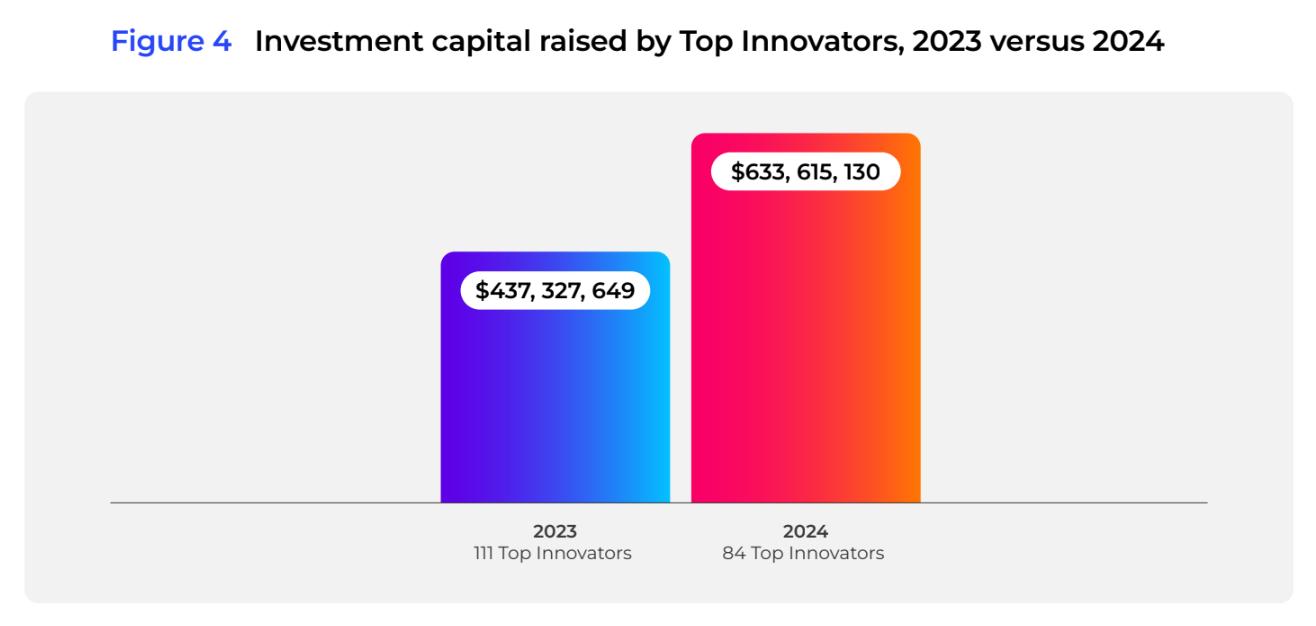
UpLink, a World Economic Forum initiative, has accelerated the growth of impact-focused start-ups since 2020, directly contributing to the UN's Sustainable Development Goals. In 2024, its Top Innovators raised $633 million in investment capital and achieved over 40% growth in customer count. These innovators created over 30,000 jobs, tracked 28 million tonnes of waste, and treated 2.5 billion litres of wastewater. Additionally, they protected 140 million hectares of land, demonstrating significant social, economic, and environmental impacts through innovation and collaboration.
Brazil, Ethiopia | ICT, Health, Education
7 stats to understand the impact innovative start-ups can have on the world’s biggest challenges

The UpLink Annual Impact Report outlines the role of ecosystems in supporting purpose-driven entrepreneurs to scale early-stage ventures, contributing to a sustainable and equitable global economy. In 2024, UpLink innovators raised $633 million to address critical issues like climate change and biodiversity loss. Supported by over 300 partners, these entrepreneurs are creating innovative technologies and business models to tackle complex global challenges. The report also identifies trends in early-stage innovation and impact financing, offering guidance for investors, policy-makers, and business leaders to promote high-impact ventures and progress toward a net-zero future.
UpLink Annual Impact Report 2025
Renewable energy is now the leading source of new installed power capacity globally, largely due to lower manufacturing costs. US tariffs under President Trump pose a potential threat to the clean energy sector, particularly regarding investments in solar, wind, and electric vehicle technologies. However, these trade tensions may strengthen ties between China and developing nations, as they increasingly import Chinese clean energy technologies. Emerging markets like South Africa and India are key growth areas for solar and wind exports. Rising energy demands and the need for grid improvements present further opportunities for investment in renewable technologies.
Egypt, India, Rwanda, Singapore, Taiwan, China, United Kingdom | Financial services, ICT
Tariff wars may strengthen China’s clean energy supply chain ties with developing nations: GIC
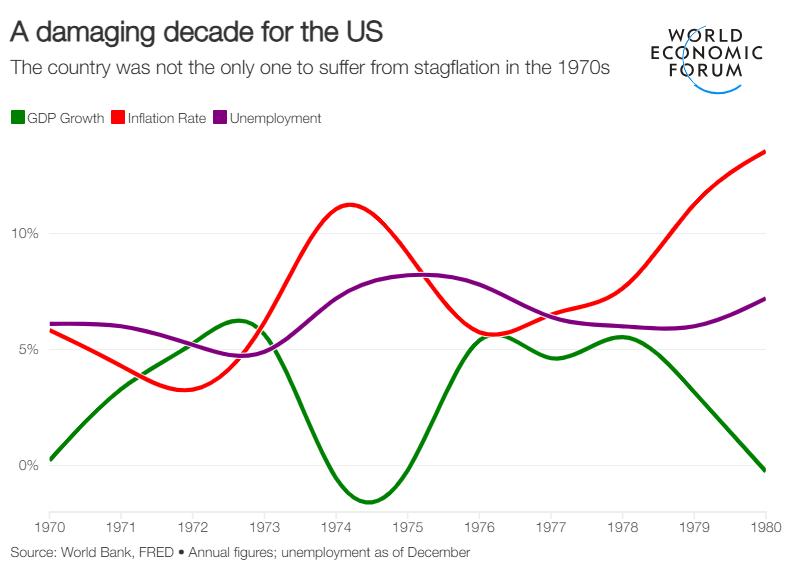
Anticipation of stagflation, characterized by poor growth and rising inflation, is resurfacing in the US and globally. The term emerged during the dismal economic conditions of the 1970s, where inflation soared alongside declining GDP and increasing unemployment. Although policymakers shifted from Keynesian intervention to neoliberal approaches to mitigate such risks, the current mix of government intervention, geopolitical tensions, and uncertain economic indicators raises concerns that stagflation could reemerge. Historical lessons underline the delicate balance policymakers must maintain between curbing inflation and fostering economic growth.
Africa, Latin America | Financial services
Stagflation forced us to rethink how we manage economies. Will it make a comeback?

Millions of children worldwide remain out of school, with the poorest countries facing severe educational deficiencies. An annual investment of $97 billion is essential to bridge the learning and skills gap among youth. Three key strategies include innovative funding mechanisms like the International Finance Facility for Education (IFFEd), prioritizing early childhood education for significant long-term returns, and implementing evidence-based program design that leverages technology. Coordinated efforts among stakeholders and low-cost behavioral interventions can enhance school participation, ultimately fostering a generation prepared for the evolving workforce and improving global prosperity.
Rwanda, South Africa, Tanzania | Financial services, Education, Health
3 steps to address the education crisis and power global prosperity

Urgent action on youth brain health is essential for economic stability, as brain health disorders cost the global economy $5 trillion annually, projected to triple by 2030. Current mental health challenges among youth, such as anxiety and depression, jeopardize cognitive development and future workforce readiness. Investment in cognitive skills and modernized education systems is crucial to foster adaptability and resilience in young people. Initiatives like Germany's Dare2Care exemplify successful approaches to enhance socio-emotional competencies. Without immediate intervention, future productivity and innovation face significant risks, threatening global economic growth.
Financial services, Education, Health
Why we must take urgent action on youth brain health for the sake of the global economy

The UK government has abruptly closed applications for its sustainable farming incentive (SFI), causing concern among farmers and environmentalists. The scheme supports practices that enhance soil health, biodiversity, and water quality but has been criticized for its complexity and unclear financial viability. Although farmers with existing agreements are safe, the closure creates financial uncertainty for future investments in sustainable practices. The government's choice to prioritize short-term financial constraints raises questions about its commitment to long-term agricultural and environmental health. A revised version of the scheme is expected, but regaining farmers’ trust will be challenging.
The UK has closed its flagship sustainable farming scheme, choosing short-term cuts over long-term security
US astronauts Sunni Williams and Barry Wilmore have completed a record-long unplanned mission of 290 days aboard the International Space Station due to issues with their return vehicle. This extended stay poses risks such as muscle atrophy, cardiovascular decline, and potential long-term cancer from radiation exposure. Physically, they will require rehabilitation upon return, facing common post-spaceflight symptoms like dizziness and reduced muscle function. Psychologically, they may experience stress from confinement, anxiety, and feelings of isolation. Maintaining their mental health through training and keeping busy was essential during their time in orbit, but risks of depression and anxiety may arise after returning home.
Long, unplanned stay in space will have taken a toll on minds and bodies of stranded astronauts

Starlink is expanding its satellite internet service into South Asia, partnering with Bangladeshi firms and seeking licenses in India and Pakistan. The service aims to provide high-speed internet to underserved remote areas, claiming over 5 million users globally. However, its rapid growth raises regulatory concerns and competition issues in various countries, particularly due to Elon Musk's influence and potential data security risks. Additionally, rival companies, including China's SpaceSail and Europe's Eutelsat, are positioning themselves to compete with Starlink in the satellite internet market.
Bangladesh, India
Starlink internet enters new countries, faces new competitors
Concerns about space, particularly regarding threats like asteroid impacts, stem from deep-rooted human fears about the unknown and self-destructive tendencies. The asteroid 2024 YR4 exemplifies fears of catastrophic events, despite a low risk of impact. Political scientist Daniel Deudney suggests reducing human activities in space to mitigate risks of conflict and disaster. This fear is echoed in ancient tales, UFO conspiracy theories, and even theories linking pandemics, such as COVID-19, to extraterrestrial viruses. Overall, fear of space drives both societal anxieties and conspiracy belief systems.
Why we are so scared of space – and how this fear can drive conspiracy theories

Economic barriers significantly hinder women's participation in politics, limiting their representation despite recent elections where many women ran for leadership. In 2024, men were re-elected as heads of state three times more than women were elected. Though legislative representation saw some improvements in countries like Mexico and Rwanda, 80% of legislative leadership positions went to men. Institutional mechanisms like candidate quotas have increased the number of female candidates but have not substantially improved elected representation. Economic autonomy is essential for closing the political gap and enhancing women's influence, necessitating collaboration among various sectors to dismantle existing barriers.
Latin America
Priced out of power: How economic barriers are limiting women in politics