Publications

Pioneering the Future: Space
Technologies Poised to Revolutionize
Exploration and Economy by 2035

INSIGHT REPORT

September 2026

Pioneering the Future: Space
Technologies Poised to Revolutionize Exploration and Economy by 2035

FACTSHEETS

June 2026

Future of Space Law:
Operationalizing Space Governance

WHITE PAPER

March 2026

Clear Orbit, Secure Future:
 A Call to Action on Space Debris

REPORT

Jan 2026

The Future of Space Law
 Insights from the ATS, UNCLOS, and ITU Frameworks

WHITE PAPER

December 2025

The Future of Space Law: 
The Evolving Dynamics of Air and Space Regulation

WHITE PAPER

 September  2025

The Future Of Space Law

News

Centre for Space Futures, Novaspace and SpaceTech Gulf  Sign Agreement to Develop Global Space Capability Mapping Dashboard

Riyadh, Saudi Arabia , 23 Jun 2026|  Press Release

Clear Orbit, Secure Future: A Call to Action on Space Debris

Riyadh, Saudi Arabia, 26 Jan 2026 | Press Release

Centre for Space Futures Holds Workshop with Participation of 40 Global Experts

Riyadh, Saudi Arabia, 05 Dec 2025 | Press Release

Centre for Space Futures Releases White Paper on 'The Future of Space Law'

Riyadh, Saudi Arabia, 12 Sep 2025 | Press Release

The Board of Directors of the Centre for Space Futures Endorses Its Strategic Direction

Riyadh, Saudi Arabia, 26 May 2025 | Press Release

Saudi Space Agency to Launch the Centre for Space Futures with the World Economic Forum

Riyadh, Saudi Arabia, 29 April | Press Release

5 ways we can tackle growing risks from rocket bodies in orbit

Dec 09, 2025 | Economic Growth, Stories

Read More

Forum Agenda

Forum Videos

VIDEO

Press Conference: Centre for Space Futures in Riyadh

The World Economic Forum's Special Meeting, April 29, 2024

VIDEO

The Purpose of Astronauts at Davos 2024

World Economic Forum , March 9, 2024

VIDEO

PortWatch: Monitoring Trade Disruptions from Space

World Economic Forum , Dec 18, 2023

VIDEO

India's Moon Mission Triumph: Ambassador Ruchira Kamboj's Insights

World Economic Forum , Aug 23, 2023

VIDEO

Space Exploration is Back at Davos 2023

World Economic Forum , Feb 16, 2023

Forum Publications

Strategic Intelligence Insights

The deadline to implement the 2030 Agenda for Sustainable Development is just five years away, yet no country in the Asia Pacific is on track to meet the Sustainable Development Goals (SDGs). The United Nations estimates it will take an additional 32 years for the region to achieve these goals. The "Unlocking Capital for Sustainability" summit aims to bridge the action gap through finance, gathering decision-makers from finance, business, government, and civil society to discuss mechanisms for facilitating Asia's equitable transition to net-zero emissions. The 2024 summit was held in Thailand, leading up to COP29 in Baku, Azerbaijan.
Bangladesh, Singapore | Financial services, ICT, Health
‘Unlocking capital for sustainability’ Insights Report 2024

Barnard’s Star, a dim red dwarf located just six light years from Earth, now has four small planets detected in its orbit. These planets were identified through their gravitational effects on the star, using advanced spectrograph instruments over several years. The confirmed planets have short orbital periods ranging from two to seven Earth days and are likely rocky with surfaces exposed to high radiation, making them too hot for liquid water. The discovery provides insights into planetary formation and suggests that many more planets may exist around red dwarfs, the most common type of star in our galaxy.
Four small planets discovered around one of the closest stars to Earth – an expert explains what we know

Coronal mass ejections (CMEs) from the Sun can collide and create significant geomagnetic storms, which may disrupt satellite operations and enhance aurora visibility. On May 10, 2024, two merging CMEs caused the largest geomagnetic storm in 20 years, observable across the Northern Hemisphere. Research indicates that colliding CMEs are twice as likely to induce geomagnetic storms compared to solitary ejections, driven by strong magnetic fields and pressures during interactions. With the Sun approaching solar maximum, monitoring these events is crucial for safeguarding technological systems reliant on space weather stability.
Colliding Plasma Ejections From the Sun Generate Huge Geomagnetic Storms

The report highlights the key risks and opportunities influencing aviation decarbonization in 2025, drawing insights from executives within the World Economic Forum’s aviation community. Major concerns include the availability and cost of sustainable aviation fuel, geopolitical tensions, and tariffs tied to protectionism. The industry faces critical challenges as it submits updated decarbonization plans to the International Civil Aviation Organization (ICAO) while attempting to recover post-COVID-19. Actions taken this year are crucial for adhering to targets such as a 5% reduction in jet fuel carbon intensity by 2030 and achieving net-zero international aviation by 2050.
Global Aviation Sustainability Outlook 2025

This report outlines key risks and opportunities impacting aviation decarbonization progress in 2025, as identified through interviews with executives in the World Economic Forum’s aviation community. Primary concerns include the availability and cost of sustainable aviation fuel, geopolitical tensions, and protectionist tariffs. The aviation industry faces a critical year with updated decarbonization plans required by the International Civil Aviation Organization (ICAO). Efforts to advance sustainability must align with post-COVID-19 growth initiatives, as actions taken this year are crucial for meeting targets to reduce carbon intensity by 5% by 2030 and achieving net-zero emissions by 2050.
ICT
Global Aviation Sustainability Outlook 2025

Greenhouse gas emissions are causing the thermosphere to contract, which in turn reduces atmospheric drag and prolongs the lifespan of space debris. MIT simulations predict that by 2100, the carrying capacity of low Earth orbit for satellites could decline by 50 to 66 percent. This contraction increases the risk of collisions and debris fields, potentially making satellite operations unsustainable. The study emphasizes the necessity of managing satellite launches and emissions to prevent overcrowding in space.
Antarctica
MIT Study Predicts Climate Change To Reduce Number of Satellites in Orbit

Increasing greenhouse gas emissions are altering near-Earth space conditions, leading to a reduction in the number of satellites that can safely orbit. Research shows the thermosphere, where most satellites operate, is contracting due to greenhouse gases, resulting in decreased atmospheric drag. Consequently, old satellites and space debris will remain in orbit longer, raising collision risks. By 2100, the satellite carrying capacity in key orbital regions may decline by 50-66%. The study emphasizes the need for careful management of satellite launches and emissions to prevent overcrowding and mitigate collision threats.
Antarctica
Climate change will reduce the number of satellites that can safely orbit in space
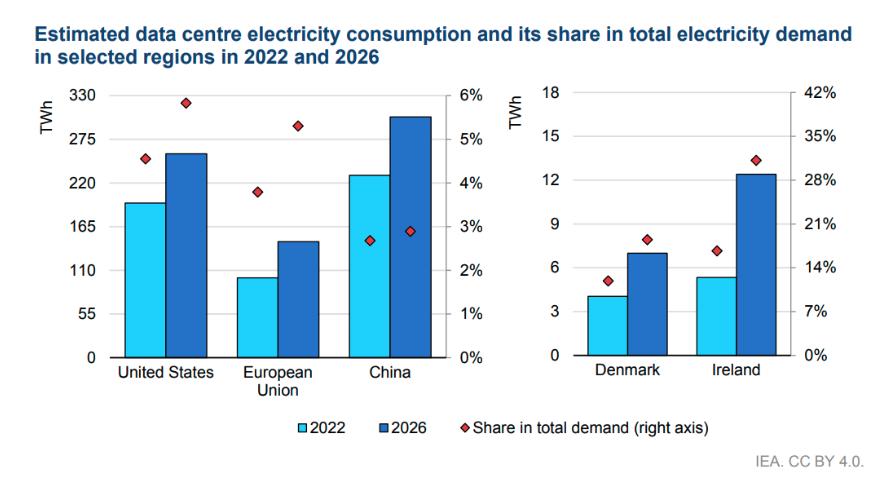
Tech sector demand has led to a 35% increase in long-term renewable power purchase agreements, driven by electricity needs for data centers. The EU proposes extending its gas storage regulation until 2027 to secure energy supply through mandatory storage targets. Weather data is increasingly vital for energy system reliability. Notable developments include Equinor's gas discovery in the Norwegian Sea, ongoing coal production in China, UK-Ireland data sharing agreements for energy security, and Thailand's $1.8 billion AI initiative for energy efficiency. The energy landscape is shifting with significant investment anticipated in advanced energy solutions by 2030.
Egypt, India, United Kingdom | ICT
Tech's energy demand drives big rise in long-term power contracts, and more top energy stories

Wind and waves will be included in the economic measurements of countries for the first time, following changes approved by the United Nations. This update seeks to reflect the economic impact of natural resource consumption and the value of data, effective in 2030. The inclusion of wind and waves will allow for the estimation of energy generation potential, while data will be recognized as an asset. Experts suggest these adjustments are minor "tweaks," which may make economies appear larger without a real change in material wealth or tax revenues, potentially increasing future spending challenges for the UK government.
Ukraine, United Kingdom
Data, waves and wind to be counted in the economy

China is launching a government-backed fund worth 1 trillion yuan ($138 billion) aimed at boosting its competitiveness in emerging technologies, including quantum computing, artificial intelligence, and semiconductors. This national venture capital guidance fund, structured as a public-private partnership, targets high-risk, long-term projects to transform research into commercial technologies. China has intensified its investment in quantum technology, achieving advances such as satellite-based quantum communication networks and powerful quantum processors. This strategic move signals an intention to strengthen its position against Western initiatives in key tech sectors, aligning with its goal of becoming self-reliant in critical technologies.
Financial services
China Launches $138 Billion Government-Backed Venture Fund, Includes Quantum Startups

India’s Next Big Innovation Labs (NBIL) specializes in 3D bioprinting technologies, focusing on innovations like corneal tissue and organ-on-a-chip bioprinting. Supported by various investors, including the Government of Karnataka and Merck, NBIL aims to advance tissue engineering and eliminate animal testing. Its TRIVIMA platform, developed with Microsoft, seeks to personalize bio-printed tissues for transplant while reducing organ shortages. The company targets healthcare solutions that enhance drug development and regenerative medicine. Competitors include RegenHU and Cellink, but NBIL differentiates itself through its expertise in engineering, materials science, and AI.
Startup Of The Week: Next Big Innovation Labs (NBIL)

Venus, often called Earth's twin for its similar size and gravity, poses challenges for exploration due to its harsh atmosphere, which includes corrosive sulfuric acid clouds and extreme temperatures. Michael Hecht from MIT proposes using balloons for exploration, leveraging the planet's strong winds and a novel renewable energy technology called solid oxide electrolysis to generate buoyant gases. Although previous balloon missions have demonstrated feasibility, challenges such as corrosive materials and altitude control remain. Hecht's initiative, "Exploring Venus with Electrolysis" (EVE), aims to enhance our understanding of Venus.
Ballooning Around Venus
European stocks increased as defence shares surged following commitments by leaders to raise defence spending. The STOXX 600 rose 1%, supported by a 6.5% jump in the aerospace and defence index. Canadian banks are advocating for policy reforms to tackle economic risks from impending US tariffs, despite reporting strong profits. Meanwhile, Bitcoin experienced a brief surge after President Trump proposed a US "strategic crypto reserve." In other developments, Hong Kong's stock market hit a new high driven by enthusiasm around China's tech sector, and the European Commission extended emission target deadlines for automakers.
Financial services
European stocks rise on defence spending pledge, and other finance news to know
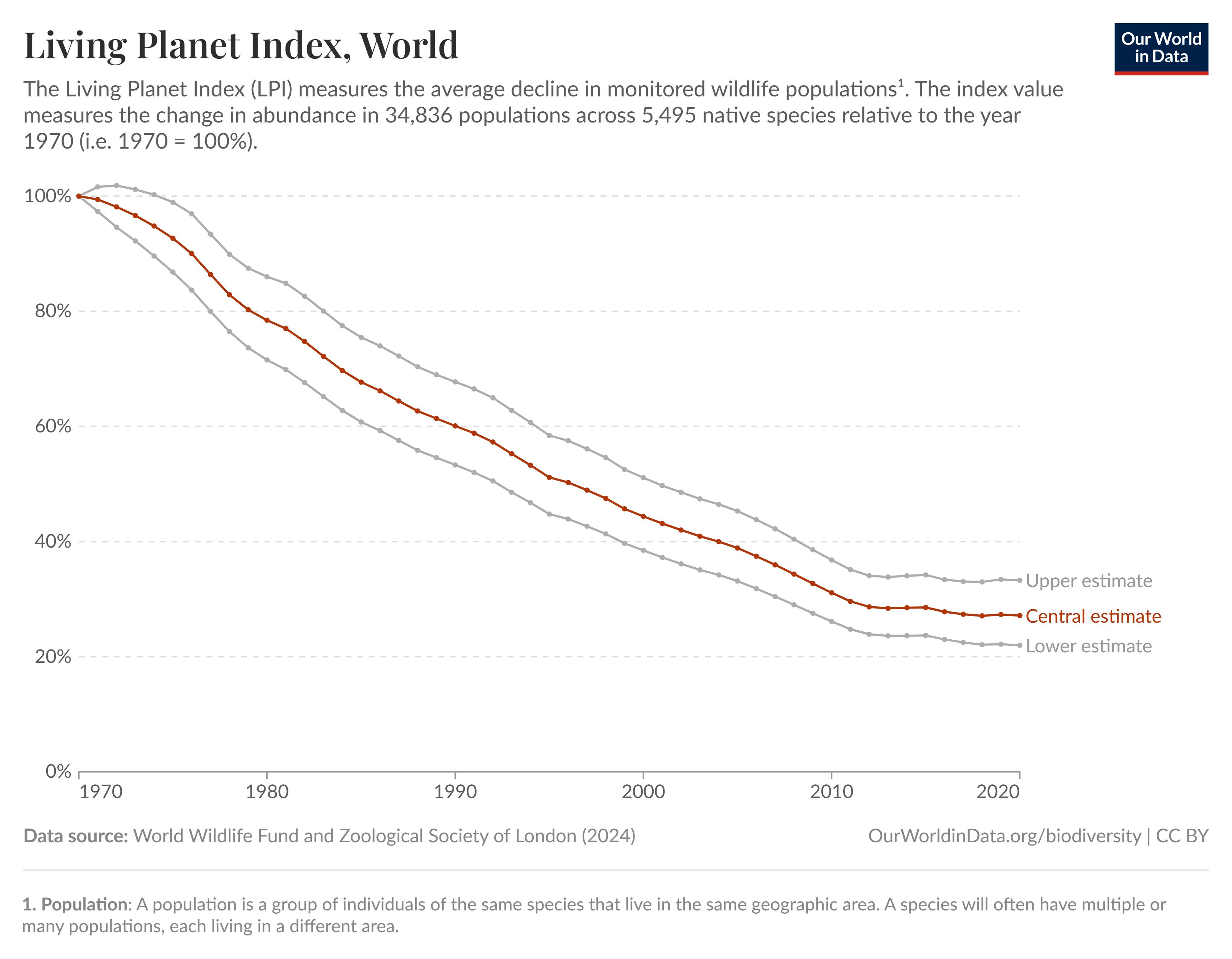
Funding for global biodiversity has been secured with a $200 billion deal at COP16, aimed at reversing wildlife decline. Marine heatwaves are inflicting significant ecological and economic damage, with a dramatic increase in heatwave days noted. The Atlantic Meridional Overturning Circulation is currently stable against collapse despite looming climate threats. Other significant developments include wildfires in Japan and Ukraine's greenhouse gas emissions rising due to conflict, alongside UK initiatives to support biodiversity through beaver reintroduction and a new climate justice degree at the University of Sussex.
Nigeria | Health
Funding deal secured to reverse wildlife decline, and other nature and climate stories you need to read this week

Asia and the Pacific require approximately $43 trillion from 2020 to 2035 to enhance and maintain transport infrastructure, averaging about $2.7 trillion annually. Investment needs have tripled since 2000, with significant focus needed on road networks, which will account for 63% of total investments. The infrastructure gap poses risks such as increased traffic congestion, economic losses, and safety issues. Urban rail investment is projected to rise significantly, while maintenance funding remains critically underfunded, representing about 24% of total expenditures. Despite efforts, by 2035, Asia's transport infrastructure per capita is expected to remain 70% lower than in wealthier nations.
Burkina Faso, Cambodia, Estonia, Georgia, Germany, Ghana, Hungary, Indonesia, Japan, Luxembourg, New Zealand, Poland, Republic of Korea, Singapore, Sweden, Taiwan, China, Thailand | Financial services, Health
Building a $43 Trillion Bridge Across Asia’s Infrastructure Gap

Key trends shaping the energy world in 2025 include rising energy investment reaching over $1.5 trillion, yet growth rates are declining. The new Trump administration's trade tariffs could negatively impact global GDP and oil demand. The ongoing geopolitical tensions, particularly regarding Ukraine and the Middle East, threaten commodity prices and trade. Capital allocation decisions are crucial as companies balance investments between fossil fuels and low carbon energy. Despite the increasing share of low carbon investments, significant growth is needed to meet climate goals. OPEC+ faces challenges in maintaining high oil prices amid resilient non-OPEC supply.
Afghanistan, Canada, Egypt, Ghana, India, Kenya, Moldova, Netherlands, Nigeria, Norway, Poland, Russian Federation, Saudi Arabia, Uganda, Ukraine, United Arab Emirates, United Kingdom, Venezuela | Financial services
5 trends shaping the energy world in 2025
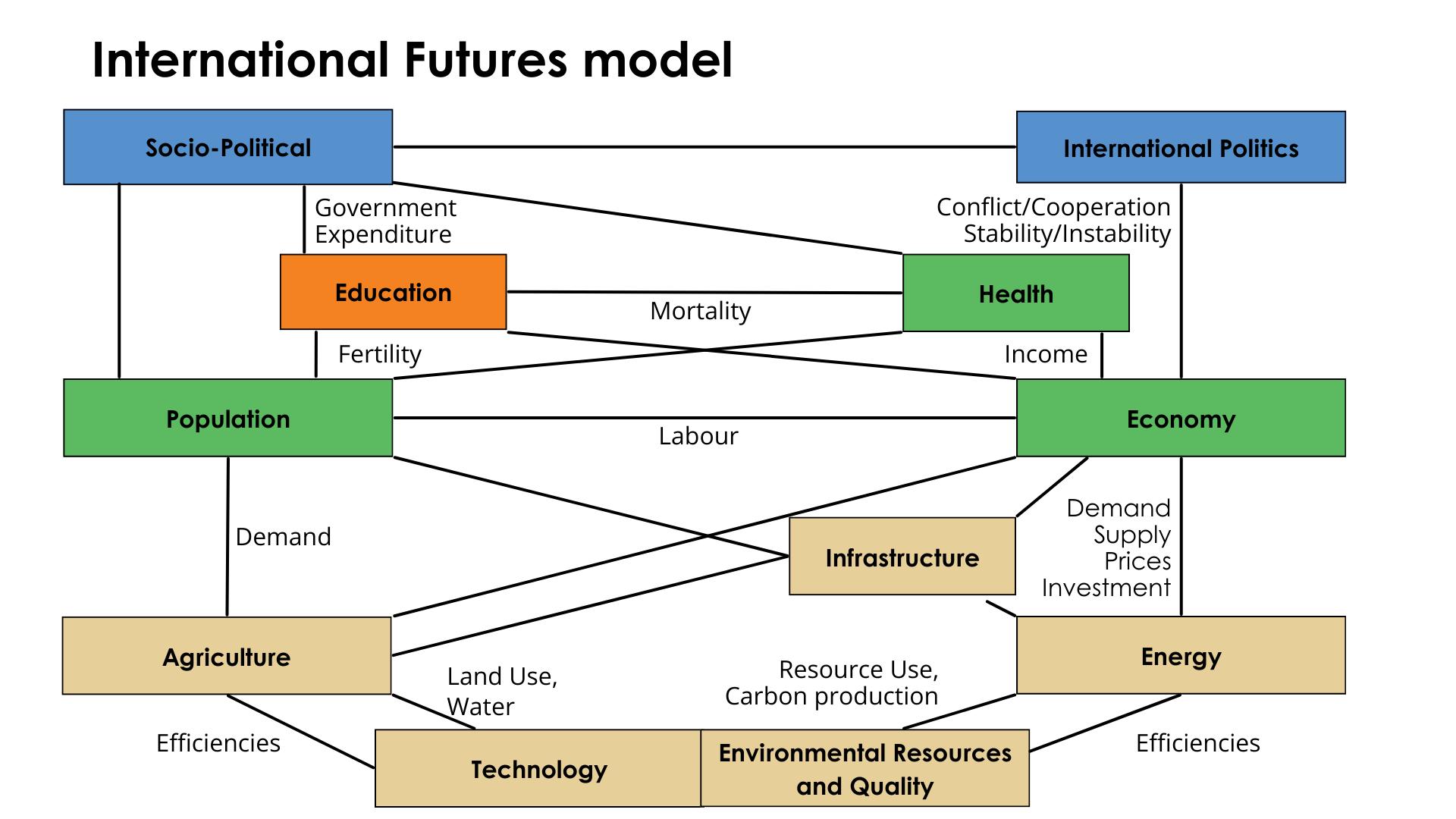
Increasing complexities in political transitions across West and Central Africa have heightened security challenges and governance uncertainties. The United Nations Development Programme (UNDP) and the African Union Commission (AUC) have launched the Africa Facility to Support Inclusive Transitions (AFSIT) to aid countries during these transitions by addressing socio-economic drivers of instability and promoting sustainable development. The report outlines policy recommendations for Burkina Faso, Guinea, Gabon, Mali, and Niger, focusing on economic diversification, infrastructure, agriculture, education, social inclusion, governance, and regional security collaboration. Scenario-based analyses offer actionable pathways for achieving inclusive growth and long-term stability.
Afghanistan, Albania, Algeria, Angola, Armenia, Azerbaijan, Bahrain, Bangladesh, Barbados, Belgium, Benin, Bolivia, Bosnia and Herzegovina, Botswana, Brazil, Brunei Darussalam, Bulgaria, Burkina Faso, Burundi, Cambodia, Cameroon, Cape Verde, Chad, Chile, Colombia, Costa Rica, Croatia, Cyprus, Democratic Republic of the Congo, Denmark, Djibouti, Dominican Republic, Ecuador, Egypt, El Salvador, Estonia, Eswatini, Ethiopia, Finland, France, Gabon, Georgia, Germany, Ghana, Greece, Guatemala, Guinea, Honduras, Hungary, Iceland, Indonesia, Ireland, Israel, Jamaica, Japan, Jordan, Kazakhstan, Kenya, Kuwait, Kyrgyz Republic, Latvia, Lebanon, Lesotho, Liberia, Luxembourg, Madagascar, Malawi, Malaysia, Mali, Malta, Mauritania, Mauritius, Moldova, Mongolia, Morocco, Mozambique, Myanmar, Namibia, Netherlands, New Zealand, Nicaragua, Niger, Nigeria, Norway, Oman, Pakistan, Panama, Papua New Guinea, Paraguay, Peru, Philippines, Poland, Portugal, Qatar, Republic of Korea, Romania, Russian Federation, Rwanda, Saudi Arabia, Senegal, Serbia, Seychelles, Singapore, Slovakia, South Africa, Spain, Sudan, Sweden, Switzerland, Taiwan, China, Tajikistan, Tanzania, Thailand, Togo, Trinidad and Tobago, Tunisia, Uganda, Ukraine, United Arab Emirates, United Kingdom, Uruguay, Venezuela, Viet Nam, Yemen, Zambia, Zimbabwe | Financial services, Health, Education
Advancing Inclusive Development: Policy options for Burkina Faso, Guinea, Gabon, Mali and Niger

Timor-Leste has significant potential for sustainable development, driven by its youthful population (median age 20.7 years), strategic geographical location, and abundant natural resources, particularly oil and gas. However, it faces considerable challenges, including high poverty rates (41.8%), food insecurity affecting over 62.5% of the population, an undiversified economy reliant on a depleting petroleum fund, and infrastructure deficits. To leverage opportunities, the government should improve public financial management, enhance regional economic integration, and promote investments in human capital and infrastructure development.
Albania, Algeria, Angola, Armenia, Australia, Austria, Azerbaijan, Bahrain, Bangladesh, Barbados, Belgium, Benin, Bolivia, Botswana, Brunei Darussalam, Burkina Faso, Burundi, Cambodia, Cameroon, Cape Verde, Chad, Chile, Democratic Republic of the Congo, Denmark, Dominican Republic, Ecuador, Egypt, El Salvador, Estonia, Eswatini, Ethiopia, Gabon, Georgia, Ghana, Greece, Guatemala, Guinea, Honduras, Hungary, Iceland, Indonesia, Israel, Jamaica, Jordan, Kazakhstan, Kenya, Latvia, Lebanon, Lesotho, Lithuania, Luxembourg, Madagascar, Malawi, Malaysia, Mali, Malta, Mauritania, Mauritius, Moldova, Morocco, Mozambique, Namibia, New Zealand, Nigeria, Norway, Panama, Papua New Guinea, Paraguay, Peru, Philippines, Portugal, Republic of Korea, Rwanda, Senegal, Serbia, Seychelles, Singapore, Slovakia, Slovenia, South Africa, Sweden, Taiwan, China, Tajikistan, Tanzania, Thailand, Trinidad and Tobago, Tunisia, Uganda, United Arab Emirates, Venezuela, Viet Nam, Yemen, Zambia, Zimbabwe
Harnessing Youth and Infrastructure for Timor-Leste’s Sustainable Future
Early Warning Systems (EWS) monitor and predict extreme weather events, providing crucial alerts to protect communities from natural disasters like floods and tsunamis. Advancements in AI, remote-sensing, and partnerships among governments, businesses, and communities are enhancing these systems. The UN's Early Warnings for All initiative aims to ensure that everyone receives adequate warnings by 2027. Despite progress, challenges remain, including funding gaps and the need for better collaboration. A World Economic Forum white paper emphasizes the importance of open data, business engagement, and public-private partnerships in improving EWS effectiveness.
Germany | Financial services, ICT
How do Early Warning Systems work – and how can we improve them?

Investment in advanced energy solutions is projected to exceed $500 billion annually by 2030, driven by the demand for jobs, economic growth, and energy security. Governments can enhance their competitive edge through strong partnerships and tailored incentives supporting advanced energy projects. Industries such as battery storage and clean fuels are experiencing significant growth, despite financing challenges. Economic analyses indicate substantial potential benefits from projects like sustainable aviation fuel facilities and small modular reactors. However, attracting investment remains a challenge; effective public policies and incentives are crucial for bridging the financing gap. Global competition, particularly from China, will shape investment dynamics in this sector.
India
Why jobs, growth and supply security are now driving investment in advanced energy solutions