
Publications

Pioneering the Future: Space
Technologies Poised to Revolutionize
Exploration and Economy by 2035

INSIGHT REPORT

September 2026

Pioneering the Future: Space
Technologies Poised to Revolutionize Exploration and Economy by 2035

FACTSHEETS

June 2026

Future of Space Law:
Operationalizing Space Governance

WHITE PAPER

March 2026

Clear Orbit, Secure Future:
 A Call to Action on Space Debris

REPORT

Jan 2026

The Future of Space Law
 Insights from the ATS, UNCLOS, and ITU Frameworks

WHITE PAPER

December 2025

The Future of Space Law: 
The Evolving Dynamics of Air and Space Regulation

WHITE PAPER

 September  2025

The Future Of Space Law

News

Centre for Space Futures, Novaspace and SpaceTech Gulf  Sign Agreement to Develop Global Space Capability Mapping Dashboard

Riyadh, Saudi Arabia , 23 Jun 2026|  Press Release

Clear Orbit, Secure Future: A Call to Action on Space Debris

Riyadh, Saudi Arabia, 26 Jan 2026 | Press Release

Centre for Space Futures Holds Workshop with Participation of 40 Global Experts

Riyadh, Saudi Arabia, 05 Dec 2025 | Press Release

Centre for Space Futures Releases White Paper on 'The Future of Space Law'

Riyadh, Saudi Arabia, 12 Sep 2025 | Press Release

The Board of Directors of the Centre for Space Futures Endorses Its Strategic Direction

Riyadh, Saudi Arabia, 26 May 2025 | Press Release

Saudi Space Agency to Launch the Centre for Space Futures with the World Economic Forum

Riyadh, Saudi Arabia, 29 April | Press Release

5 ways we can tackle growing risks from rocket bodies in orbit

Dec 09, 2025 | Economic Growth, Stories

Read More

Forum Agenda

Forum Videos

VIDEO

Press Conference: Centre for Space Futures in Riyadh

The World Economic Forum's Special Meeting, April 29, 2024

VIDEO

The Purpose of Astronauts at Davos 2024

World Economic Forum , March 9, 2024

VIDEO

PortWatch: Monitoring Trade Disruptions from Space

World Economic Forum , Dec 18, 2023

VIDEO

India's Moon Mission Triumph: Ambassador Ruchira Kamboj's Insights

World Economic Forum , Aug 23, 2023

VIDEO

Space Exploration is Back at Davos 2023

World Economic Forum , Feb 16, 2023

Forum Publications

Strategic Intelligence Insights

Ongoing geopolitical shifts are undermining international cooperation in cybersecurity, presenting challenges for cyber leaders. The rapid adoption of artificial intelligence and transformative technologies is altering the cybersecurity landscape, introducing new vulnerabilities. As millennials and Generation Z dominate the workforce, cyber threats are increasingly targeting decentralized platforms and cryptocurrency exchanges. Increasing geopolitical tensions are leading to reduced cooperation and funding for cybersecurity initiatives and creating uncertainty in the global cyber landscape. Cyber leaders must adapt to evolving threats, emphasizing the need for new security practices and addressing the complexities of global supply chains.
Azerbaijan, Georgia, Russian Federation, Seychelles, Ukraine, United Kingdom | Health, ICT, Financial services, Education
3 trends shaping the future of cyber leadership

Africa’s ability to shape its future hinges on strategic choices amid shifting global power dynamics. Recent geopolitical tensions, particularly in transatlantic relations, have implications for Africa's strategic calculations. The continent's reliance on external aid is diminishing, leaving it vulnerable to changing alliances and reduced financial support amidst internal structural challenges. Despite Africa's potential, characterized by its markets, resources, and youthful demographics, it struggles to translate these into global influence due to high dependency ratios and economic fragmentation. Effective leadership and proactive strategies are essential for Africa to define its role in a multipolar world, with varying economic outcomes depending on future global scenarios.
Afghanistan, Algeria, Angola, Australia, Benin, Burkina Faso, Burundi, Cameroon, Cape Verde, Colombia, Democratic Republic of the Congo, Djibouti, Egypt, Eswatini, Ethiopia, Gabon, Georgia, Ghana, Guinea, India, Kenya, Lesotho, Liberia, Madagascar, Malawi, Mali, Mauritania, Mauritius, Morocco, Mozambique, Namibia, Niger, Nigeria, Pakistan, Peru, Philippines, Russian Federation, Rwanda, Senegal, Seychelles, South Africa, Sudan, Sweden, Tanzania, Tunisia, Uganda, Ukraine, United Arab Emirates, United Kingdom, Yemen, Zambia, Zimbabwe | Financial services, Health
Africa’s agency in a contested world

The James Webb Space Telescope detected repeated flares from Sagittarius A*, the supermassive black hole at the center of our Galaxy, revealing dynamic activity.
Our Galaxy’s central black hole puts on a fireworks show
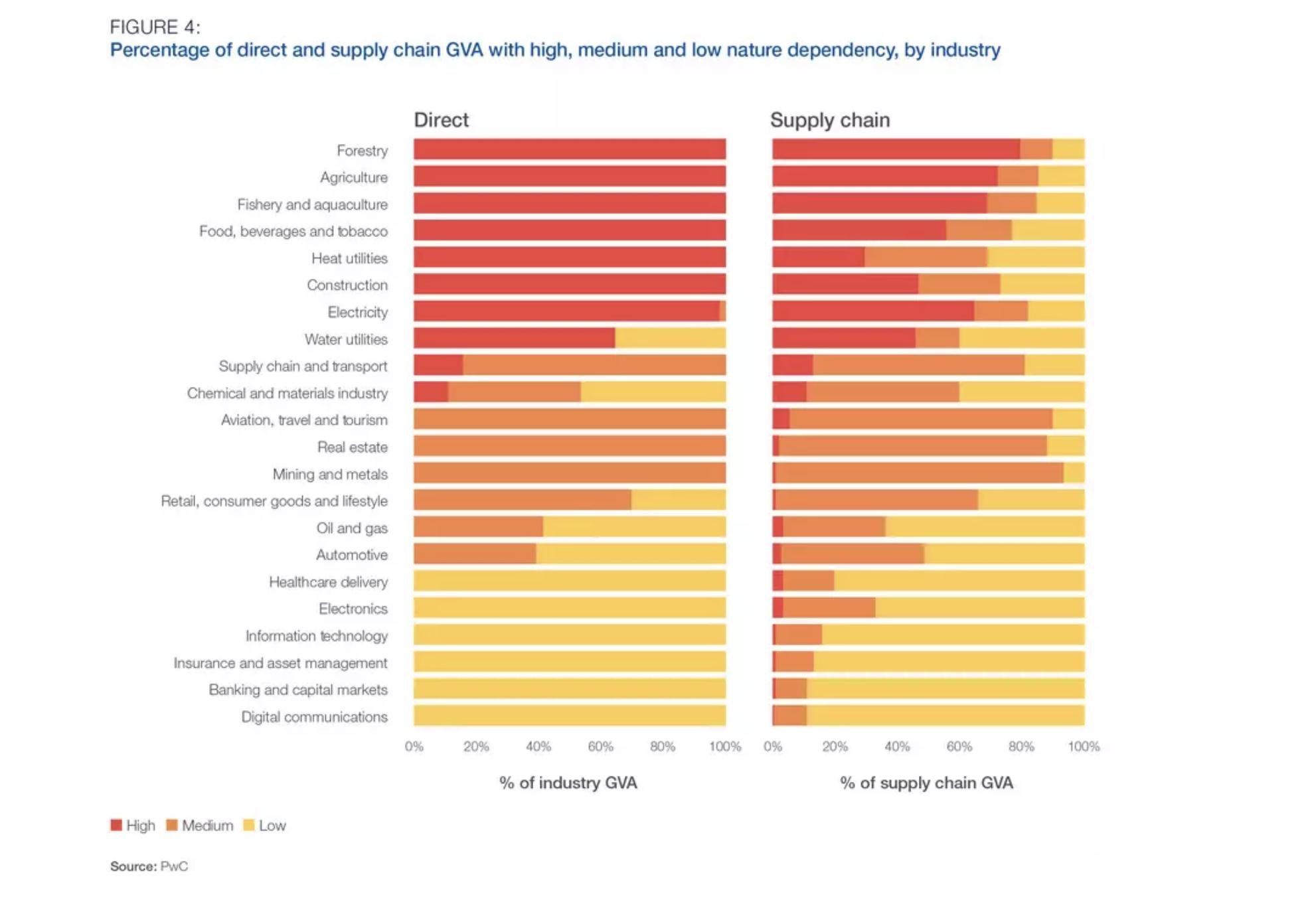
Over half of the world's GDP relies on natural resources, yet rainforests like the Amazon are under severe threat from human activities. The Amazon Sacred Headwaters Alliance aims to foster a regenerative economy by protecting 35 million hectares of rainforest, crucial for South America's economy. Atossa Soltani identifies three necessary changes: shifting political mindsets to reduce industrial threats, cancelling sovereign debt to alleviate pressure on resources, and promoting deforestation-free investment policies. These measures are vital for transitioning to sustainable practices that prioritize ecological and economic integrity.
Brazil, Ghana, Indonesia, Nigeria | Financial services, Health
3 things that need to change to create a more regenerative economy
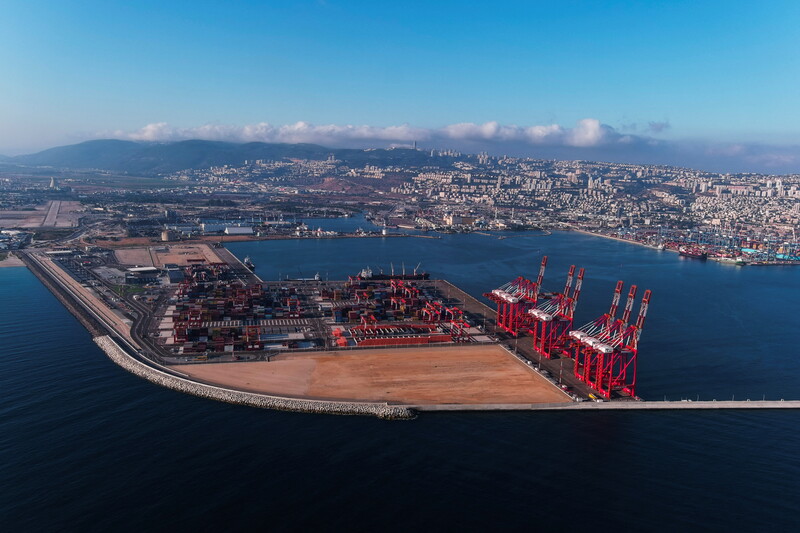
Ports must integrate economic growth with sustainability, employing nature-positive strategies to protect ecosystems while addressing climate challenges through investments in low-carbon fuels and resilient infrastructure. As critical nodes in global trade, handling 80% of international cargo, ports face significant threats from rising sea levels and changing weather patterns. Essential transformations in management and operations are needed, prioritizing green designs and restoration of ecosystems. Successful examples include the Port of Darwin and Mormugao Port, which are beginning to implement environmental initiatives. A projected growth in global port infrastructure emphasizes the necessity for sustainable practices to balance economic development with environmental stewardship.
Financial services
Unlocking growth: How tomorrow’s ports can boost economies, create jobs and protect nature

By 2030, global demand for sustainable aviation fuel (SAF) is projected to reach 17 million tonnes per annum, accounting for 4-5% of total jet fuel consumption. To meet this demand, an additional 5.8 million tonnes of production capacity is necessary, requiring final investment decisions by 2026. The white paper identifies 10 financial levers to mobilize the estimated $19-45 billion needed for SAF production, including government grants, multilateral development bank support, strategic airline investments, and green bonds. This initiative supports the aviation industry's transition to net-zero by 2050 under the World Economic Forum’s Airports of Tomorrow program.
Financing Sustainable Aviation Fuels: Case Studies and Implications for Investment

By 2030, global demand for sustainable aviation fuel (SAF) is projected to reach 17 million tonnes per annum, constituting 4-5% of total jet fuel consumption. To meet this demand, an additional 5.8 million tonnes of SAF production capacity is necessary, requiring final investment decisions by 2026. The white paper identifies ten financial strategies to mobilize the $19-45 billion investment needed for SAF production, including government grants, multilateral development bank support, investment guarantees, and long-term offtake agreements. This effort is part of the World Economic Forum’s initiative to guide the aviation industry's transition to net-zero by 2050.
Financing Sustainable Aviation Fuels: Case Studies and Implications for Investment
Key insights from the World Economic Forum's Annual Meeting 2025 in Davos emphasized that economic growth must be reimagined to ensure it aligns with broader societal goals. Current global growth rates are at their lowest in decades, and leaders stressed that while faster growth is essential, its quality—including innovation, sustainability, and equality—matters significantly. Artificial intelligence and automation are seen as vital tools for reviving productivity and addressing global challenges, yet disparities in access to technology could exacerbate inequalities. The consensus is that future growth must differ from the past, focusing on shared benefits and responsible progress.
Albania, Algeria, Angola, Barbados, Belgium, Benin, Bolivia, Botswana, Burkina Faso, Burundi, Cameroon, Cape Verde, Chad, Chile, Colombia, Democratic Republic of the Congo, Denmark, Egypt, Estonia, Eswatini, Ethiopia, Finland, Gabon, Georgia, Germany, Ghana, Guinea, Hungary, India, Indonesia, Ireland, Israel, Japan, Jordan, Kenya, Lesotho, Luxembourg, Malawi, Mali, Mauritania, Mauritius, Moldova, Morocco, Mozambique, Namibia, Netherlands, New Zealand, Nigeria, Oman, Pakistan, Paraguay, Peru, Philippines, Poland, Portugal, Republic of Korea, Russian Federation, Rwanda, Saudi Arabia, Senegal, Serbia, Seychelles, Singapore, South Africa, Sweden, Switzerland, Taiwan, China, Tanzania, Thailand, Tunisia, Uganda, Ukraine, United Arab Emirates, United Kingdom, Viet Nam, Yemen, Zambia, Zimbabwe | Financial services, Health, ICT, Education
6 things we learned about the future of growth at Davos 2025

The International Telecommunication Union (ITU) has enhanced its global space monitoring network through a recent agreement with Qatar's Communications Regulatory Authority (CRA). Qatar's six advanced earth stations will monitor harmful radio interference affecting satellites, crucial for maintaining satellite communication reliability. This partnership reflects Qatar’s commitment to ensuring an interference-free environment and strengthens its role in international spectrum management. The cooperation bolsters ITU's efforts in addressing increased interference risks due to growing satellite connectivity and aligns with resolutions from the World Radiocommunication Conference aimed at fostering innovation while protecting existing radio spectrum uses.
Qatar | ICT
Stations in Qatar expand ITU space monitoring
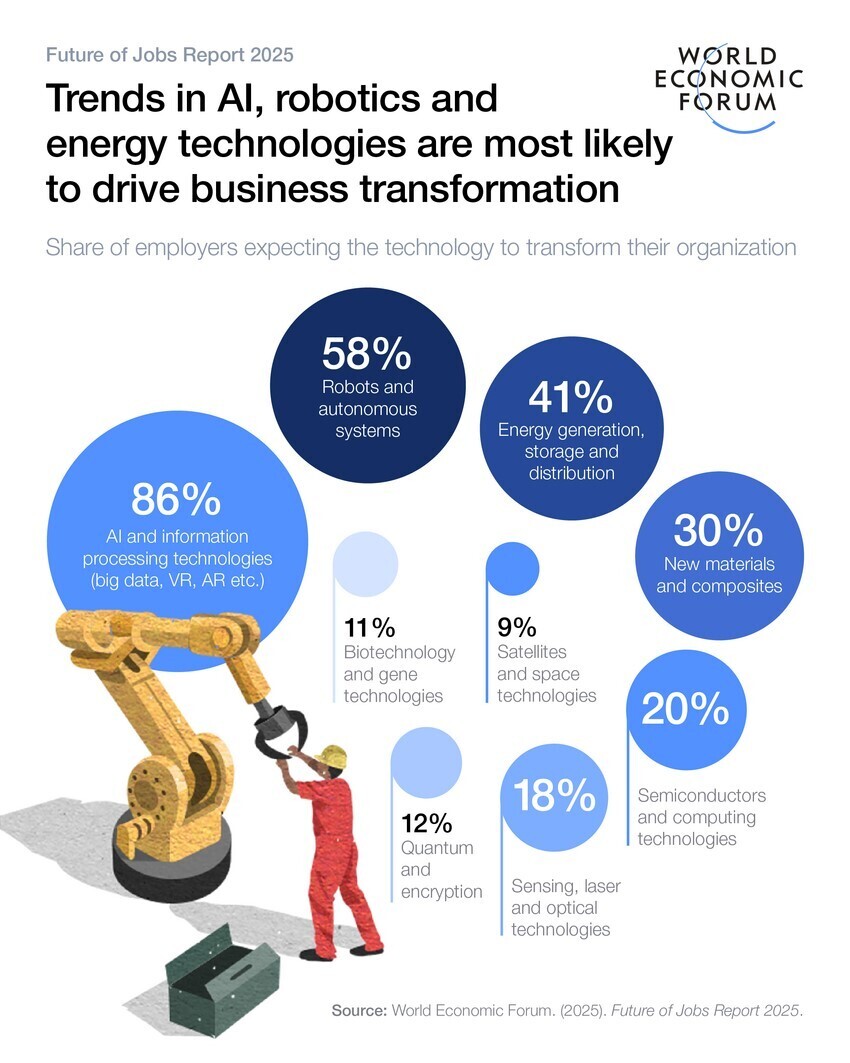
A new robotic vision system, PanoRadar, enables robots to see through smoke, rain, and around corners using radio-based sensing and AI, enhancing situational awareness for tasks like search-and-rescue. South Korea plans to acquire 10,000 GPUs by 2025 for a national AI computing center, reflecting a strategic push in the AI industry. In other technology news, a study indicates that mobile phone bans in schools do not improve academic performance or mental health, while Meta is developing a 50,000 km undersea cable to enhance global connectivity. Additionally, China's Contemporary Amperex Technology is seeking a major listing in Hong Kong.
India | Education
Scientists develop ‘superhuman’ robotic vision system, and other technology news you need to know

Asteroid 2024 YR4, discovered in December 2024, has a small probability of impacting Earth in 2032, initially estimated at 3.1% but later revised to 0.16%. This 100m-wide asteroid could release 7.8 Megatons of energy if it hits, potentially leading to over 2 million fatalities in a populated area like London, with thermal radiation causing severe burns within a 26 km radius. While monitoring near-Earth asteroids is complex due to their faintness and various uncertain factors, it's crucial to track 2024 YR4 and its potential collision with either Earth or the Moon.
Asteroid has a very small chance of hitting Earth in 2032, but a collision could devastate a city
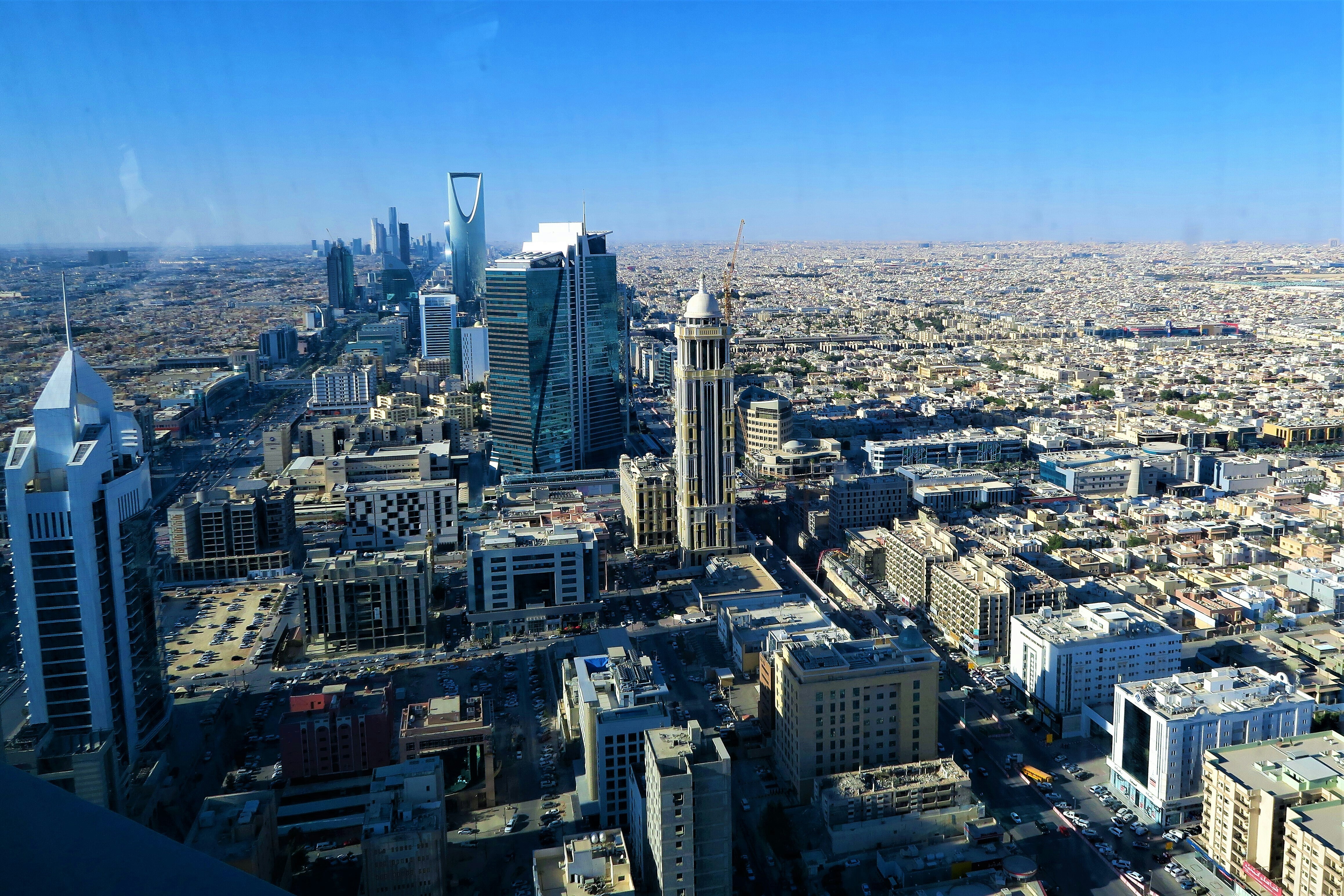
Saudi Arabia is undergoing a significant transformation focused on economic diversification, diplomatic mediation, and energy transition. With Vision 2030, non-oil sectors now account for 52% of GDP, and growth is projected at 6.2% by 2026. The Kingdom is positioning itself as a global diplomatic broker, illustrated by hosting US-Russian talks on Ukraine, while investing heavily in the US. Additionally, Saudi Arabia aims to become a key player in climate finance, leveraging its Public Investment Fund to address global climate challenges. However, it faces challenges related to youth employment, regional competition, and the balancing act of managing fossil fuel assets against clean energy goals.
Afghanistan, Algeria, Armenia, Bahrain, Brunei Darussalam, Denmark, Egypt, India, Jordan, Kazakhstan, Kuwait, Malaysia, Mauritania, Namibia, Nigeria, Oman, Pakistan, Qatar, Republic of Korea, Russian Federation, Saudi Arabia, South Africa, Sudan, Sweden, Thailand, Ukraine, United Arab Emirates, United Kingdom, Venezuela, Yemen
Saudi Arabia’s balancing act: peace talks, a new economy and straddling the energy transition
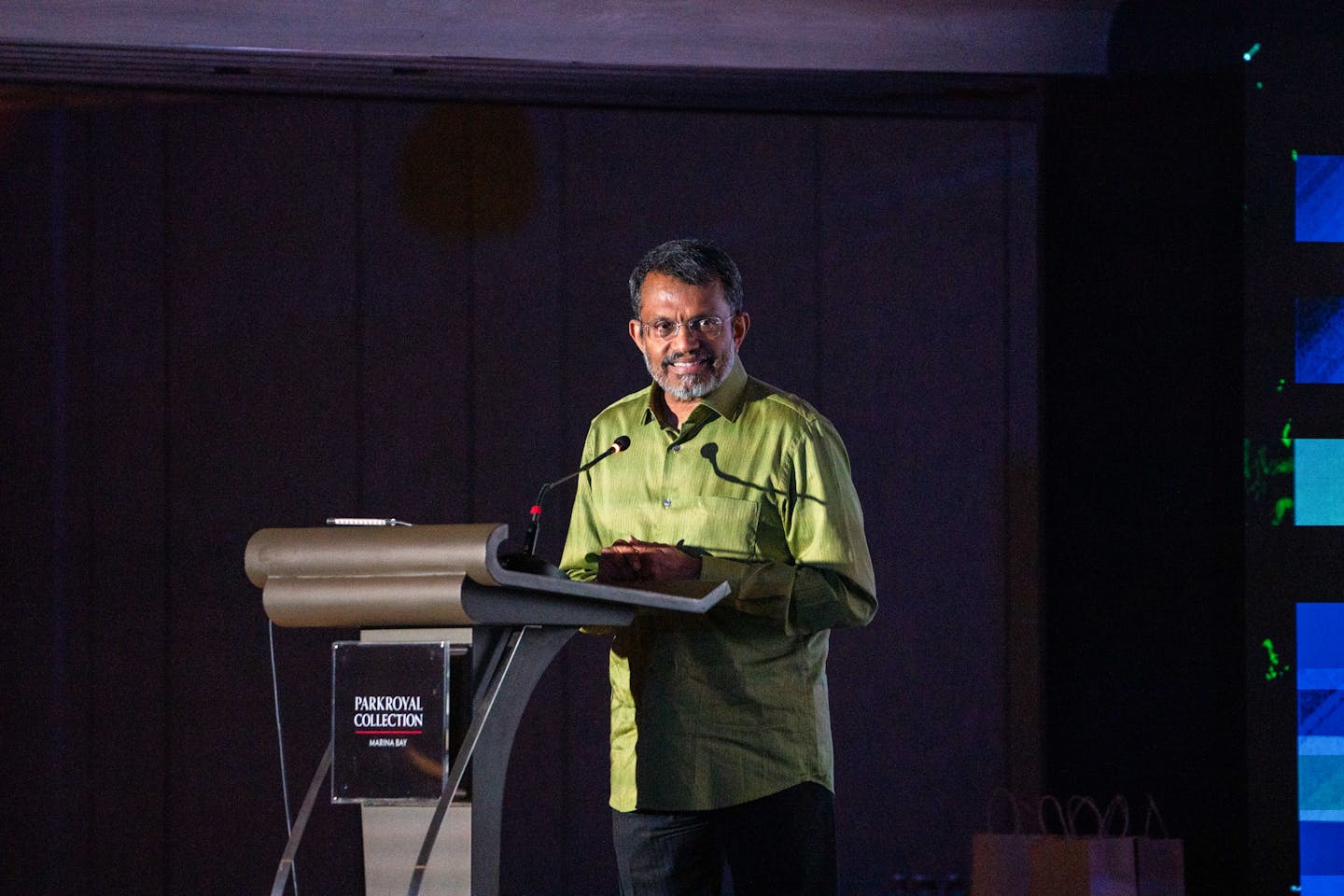
Nature will ultimately determine climate action timelines, not political or economic factors, according to Singapore’s climate envoy Ravi Menon. He highlighted the urgency of addressing climate change, citing record-breaking temperatures and their increasing impact on extreme weather events. While acknowledging short-term political influences, such as the U.S. climate retreat affecting global ambition, Menon emphasized that advancing clean energy technologies and their declining costs are crucial for investment decisions. He warned that certain key technologies still need significant cost reductions to meet decarbonization goals.
Nigeria, Singapore | Financial services, Health
Nature will call the shots, not politics or economics: Singapore’s climate envoy

A combined strategy merging scenario planning with emerging world identification and AI-based tools enhances geopolitical risk assessment amidst growing complexity. Traditional forecasting methods are inadequate in addressing unpredictable global dynamics such as political instability and economic disruptions. This integrated framework allows for a better understanding and anticipation of unconventional geopolitical developments, fostering more flexible and resilient decision-making. By focusing on imaginative and forward-looking analyses, stakeholders can effectively navigate changing environments and prepare for multiple potential futures.
Financial services, Health
How to enhance geopolitical risk assessment using this combined strategy

Keir Starmer's government faces rising pressure to increase the UK's defence spending amid global tensions, particularly due to the ongoing conflict in Ukraine. The planned military budget will reach £67.7 billion in 2025-26, representing 2.3% of GDP, yet falls short of NATO commitments. Labour's proposal to boost spending to 2.5% reflects concerns about military readiness and aims to counter perceptions of weakness. However, fiscal constraints challenge this initiative as demands for public investment in healthcare and education grow. Additionally, substantial military spending benefits the UK’s defense industry, yet investment in renewable energy could offer more sustainable security solutions.
United Kingdom
Why Keir Starmer may gamble on increasing Britain’s defence spending
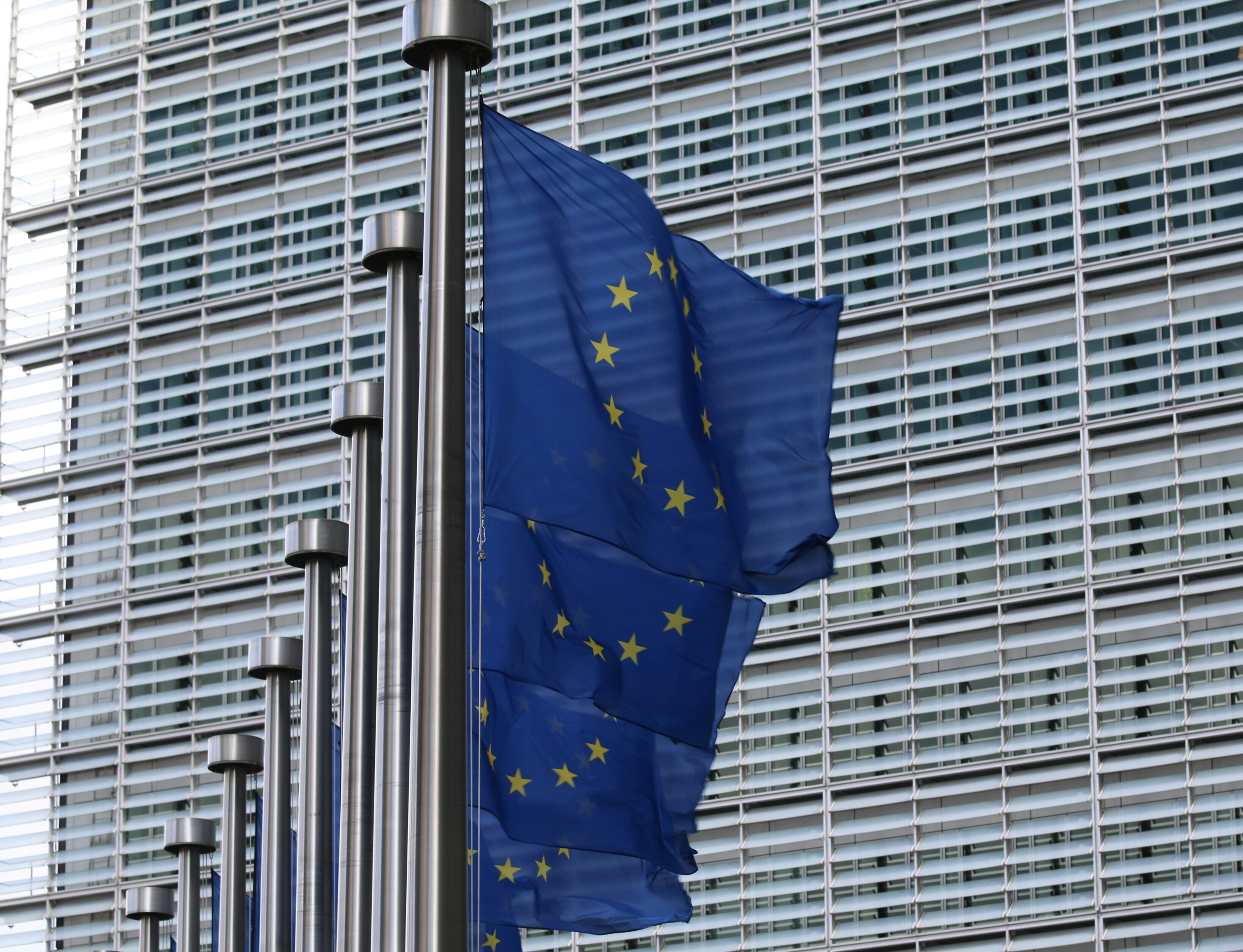
The European Union is reforming corporate sustainability rules to enhance economic competitiveness, with an Omnibus proposal set to streamline sustainability reporting regulations for social and environmental risks. This aims to reduce administrative burdens by at least 25%, particularly benefiting small and medium-sized enterprises. European Commission President Ursula von der Leyen emphasized the necessity for simplified reporting to overcome barriers to scaling and achieve net zero by 2050. However, over 200 investment groups caution that weakening rules may lead to legal uncertainty and hinder competitiveness, underscoring the need for stable, high-quality reporting to inform investment decisions.
Angola, Botswana, Qatar, Switzerland, United Kingdom | Health, ICT, Financial services
What's next for corporate sustainability rules in Europe?
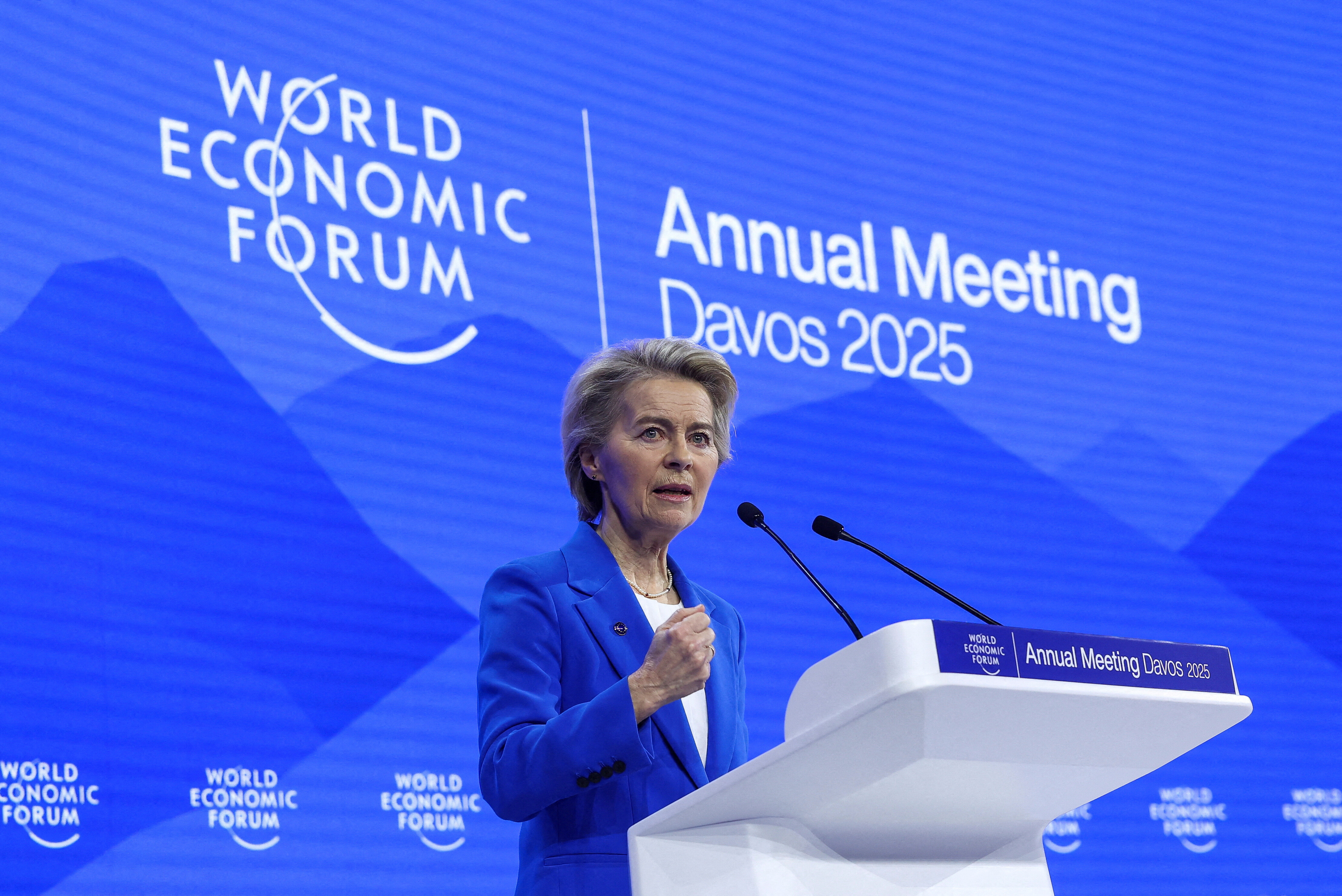
Europe's innovation landscape faces significant challenges, including a lagging GDP compared to the US, weak venture capital funding, and a risk-averse mindset. To close this gap, five key reforms are proposed: 

1. Establish an EU-wide corporate framework to streamline cross-border operations.
2. Utilize public procurement, potentially investing €30 billion into startups.
3. Reform investment regulations to facilitate greater capital flow from pension funds into venture capital.
4. Create a world-class European education hub to retain talent.
5. Address the fragmented market structure to boost investment and innovation.

Bold action is essential to drive Europe's tech growth.
Belgium, Switzerland, United Kingdom | Financial services, Health, ICT, Education
Bridging the innovation gap: 5 ways Europe can compete again
Europe's economic competitiveness is threatened by rapid US growth and business-friendly policies. To avoid falling further behind, the European Commission (EC) emphasizes the need for a coordinated approach to industrial strategy, public finance, and regulatory oversight. Currently, fragmented policies hinder innovation and deployment in key sectors like AI. Successful examples, such as Taiwan and Israel, demonstrate the impact of aligned policies on industry growth. To enhance productivity and drive investment, Europe must prioritize sectors of competitive advantage and ensure effective policy integration, adapting financial and regulatory frameworks to support sustainable development and workforce transitions.
Algeria, Angola, Austria, Belgium, Bolivia, Bosnia and Herzegovina, Botswana, Cambodia, Chad, Chile, Colombia, Costa Rica, Croatia, Czech Republic, Denmark, Ecuador, Estonia, Eswatini, Finland, Germany, Greece, Hungary, Indonesia, Israel, Italy, Japan, Jordan, Kazakhstan, Kuwait, Lesotho, Lithuania, Luxembourg, Malaysia, Netherlands, Norway, Panama, Peru, Poland, Portugal, Qatar, Republic of Korea, Singapore, Slovakia, Spain, Sweden, Switzerland, Taiwan, China, Ukraine, United Kingdom, Viet Nam | Health, ICT, Financial services, Education
3 priorities to boost Europe's competitiveness in a changing world

Traditional capital flows, historically dominated by Western economies, are shifting as emerging financial hubs in Asia, particularly the UAE and Singapore, gain influence. Increasing "pull factors" such as strong economic growth, political stability, and robust market infrastructure are attracting investment. Sovereign wealth funds are reallocating resources to support domestic markets, enhancing supply chains and self-sufficiency. The evolving global order is moving towards a polycentric model, where economic power is more distributed, allowing growth economies to play a significant role in shaping a dynamic and interconnected financial landscape.
Colombia, Jordan, Luxembourg, Malaysia, Mexico, Oman, Poland, Saudi Arabia, Switzerland, United Arab Emirates, United Kingdom, Viet Nam | Health, Education, Financial services
Why capital flows have the potential to change the economic status quo

Three experts discussed the future of the United States at the 2025 World Economic Forum. Andrew Edgecliffe-Johnson emphasized the country's unique combination of fragility and resilience, reflecting on growing divisions and confidence in institutions following crises. Walter Mead noted that American populism is characterized by a proactive, innovative spirit rather than mere reactionism, highlighting a more dynamic yet insecure society. David Rubenstein cautioned against assuming American dominance will persist, noting that historical trends show change is inevitable and technology remains a key factor in global position.
United Kingdom | ICT, Education
3 experts: Lessons from history on how to understand America in 2025