Publications

Pioneering the Future: Space
Technologies Poised to Revolutionize
Exploration and Economy by 2035

INSIGHT REPORT

September 2026

Pioneering the Future: Space
Technologies Poised to Revolutionize Exploration and Economy by 2035

FACTSHEETS

June 2026

Future of Space Law:
Operationalizing Space Governance

WHITE PAPER

March 2026

Clear Orbit, Secure Future:
 A Call to Action on Space Debris

REPORT

Jan 2026

The Future of Space Law
 Insights from the ATS, UNCLOS, and ITU Frameworks

WHITE PAPER

December 2025

The Future of Space Law: 
The Evolving Dynamics of Air and Space Regulation

WHITE PAPER

 September  2025

The Future Of Space Law

News

Centre for Space Futures, Novaspace and SpaceTech Gulf  Sign Agreement to Develop Global Space Capability Mapping Dashboard

Riyadh, Saudi Arabia , 23 Jun 2026|  Press Release

Clear Orbit, Secure Future: A Call to Action on Space Debris

Riyadh, Saudi Arabia, 26 Jan 2026 | Press Release

Centre for Space Futures Holds Workshop with Participation of 40 Global Experts

Riyadh, Saudi Arabia, 05 Dec 2025 | Press Release

Centre for Space Futures Releases White Paper on 'The Future of Space Law'

Riyadh, Saudi Arabia, 12 Sep 2025 | Press Release

The Board of Directors of the Centre for Space Futures Endorses Its Strategic Direction

Riyadh, Saudi Arabia, 26 May 2025 | Press Release

Saudi Space Agency to Launch the Centre for Space Futures with the World Economic Forum

Riyadh, Saudi Arabia, 29 April | Press Release

5 ways we can tackle growing risks from rocket bodies in orbit

Dec 09, 2025 | Economic Growth, Stories

Read More

Forum Agenda

Forum Videos

VIDEO

Press Conference: Centre for Space Futures in Riyadh

The World Economic Forum's Special Meeting, April 29, 2024

VIDEO

The Purpose of Astronauts at Davos 2024

World Economic Forum , March 9, 2024

VIDEO

PortWatch: Monitoring Trade Disruptions from Space

World Economic Forum , Dec 18, 2023

VIDEO

India's Moon Mission Triumph: Ambassador Ruchira Kamboj's Insights

World Economic Forum , Aug 23, 2023

VIDEO

Space Exploration is Back at Davos 2023

World Economic Forum , Feb 16, 2023

Forum Publications

Strategic Intelligence Insights

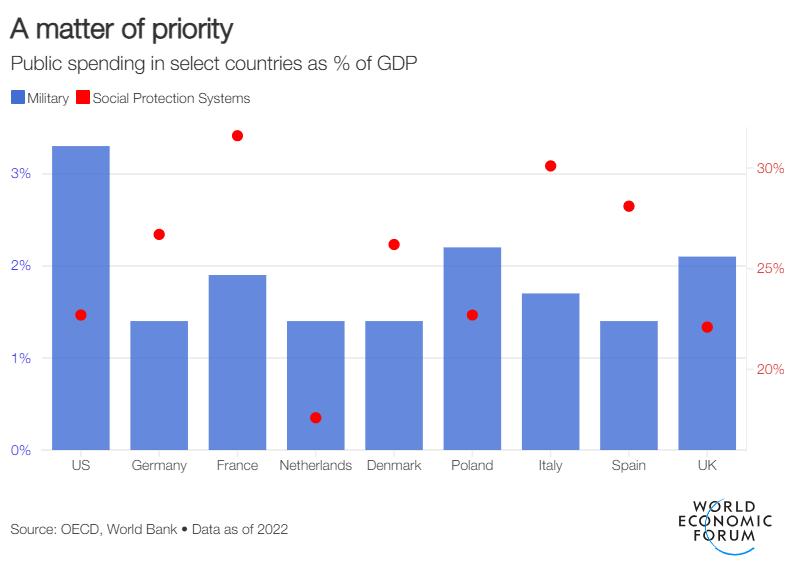
Europe faces increasing pressure to reshape its economies to prioritize military spending in light of global uncertainty and potential threats, particularly from Russia. Currently, European nations allocate around 1.9% of their GDP to defense while devoting over 25% to social protection. The reliance on US defense guarantees is becoming less certain, prompting discussions about the need for a substantial shift in budget priorities. As the region contemplates a necessary rebalancing away from a 'peace dividend' of social spending, leaders suggest that strategic integration is essential for effectively addressing defense spending challenges.
Financial services
Can Europe fundamentally reshape its economies to focus on defence?

China is rapidly advancing toward becoming a major global power in the space sector, driven by a methodical strategy that blends military goals with commercial innovation. The upcoming Tianwen-3 mission aims to return Mars samples, potentially positioning China ahead of similar Euro-American efforts. While initially described as "big but not strong," China's space industry is now evolving with a focus on consumer-driven commercialization and distinguishing itself in a competitive landscape. The government's initiatives, including collaborations with private firms like Huawei and Xiaomi, reflect broader geopolitical aspirations and a commitment to technological leadership, enhancing national pride and political legitimacy.
China Trends #22 - China’s Space Dream: No Limits, No End

Sports business involves transversality with industries like media and fashion, relies on internationalization for growth by expanding globally, sees increased professionalization with sophisticated investments and infrastructure development, and undergoes digital transformations for fan engagement using social media and AI.
Financial services, Health
The Hidden Game: Uncovering The Business of Sports
Researchers quantify the role of the 'hydrogen economy,' indicating renewable electrification as the primary energy source for most sectors. Direct hydrogen use is projected at a maximum of 10%, crucial for specific areas like heavy industry and transportation. Models show challenges in sector coupling and predict a potential doubling of hydrogen's role in the future. The development of the hydrogen economy remains vital despite its projected limited share.
The 'hydrogen economy' may be relatively small, but critical

Space technology experts highlighted 12 transformative technologies reshaping our cosmic future, including advanced earth observation systems, next-generation spacesuits for human space exploration, and space-based solar power. These innovations are driving economic growth and scientific advancements, with the space economy projected to reach $1.8 trillion by 2035. Through developments like advanced satellite mega-constellations, the space industry is moving towards efficient and sustainable solutions for harnessing resources beyond Earth.
ICT, Education
Space tech: Experts name 12 transformative technologies reshaping our cosmic future

A $1 billion commitment to fund climate adaptation in Africa marks a new era of collaboration between the World Economic Forum and the Global Center on Adaptation. The continent faces a substantial private sector financing gap in climate resilience efforts, with a need to quadruple annual climate investment flows. The platform aims to secure $5 billion in private investments to address the impacts of climate change on agriculture, water, and infrastructure in Africa.
Nigeria | Financial services, Health
Why a $1 billion commitment to fund climate adaptation marks a new era of collaboration in Africa
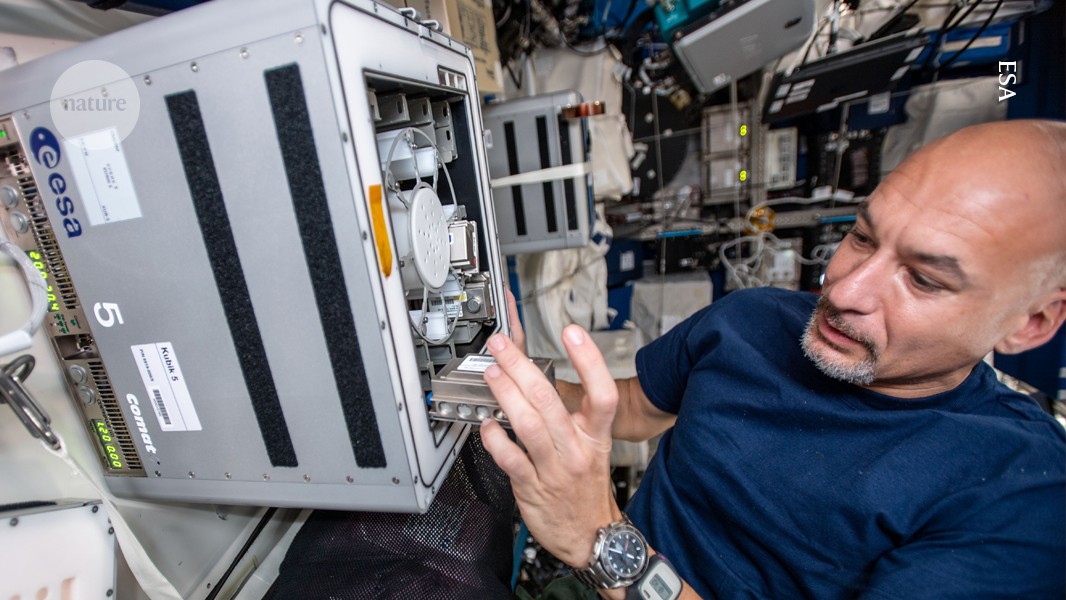
Microbes could play a crucial role in sustaining long-distance space travel by performing tasks such as mining valuable elements, producing food and medicines, and creating the building blocks for habitats.
Microbes in space: how bacteria could help sustain long-distance space travel
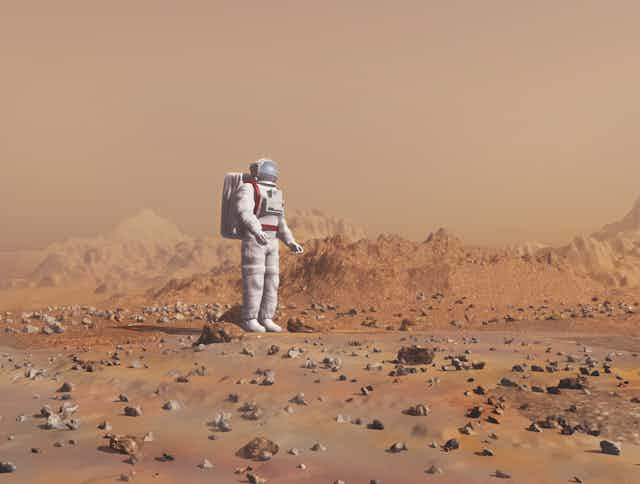
The US faces a choice between continuing with the Artemis program and abandoning the Lunar Gateway, or focusing on Mars colonization under the guidance of Elon Musk. While the Artemis program has made progress, including a successful test flight, private companies and other nations have also shown interest in lunar missions. Mars missions pose greater challenges due to the longer journey and limited launch windows, but SpaceX aims to send humans to Mars by 2028. Funding both options may not be feasible, and the influence of Musk and a private astronaut could shape future decisions.
Will the US get to Mars quicker if it drops or delays plans to visit the Moon?
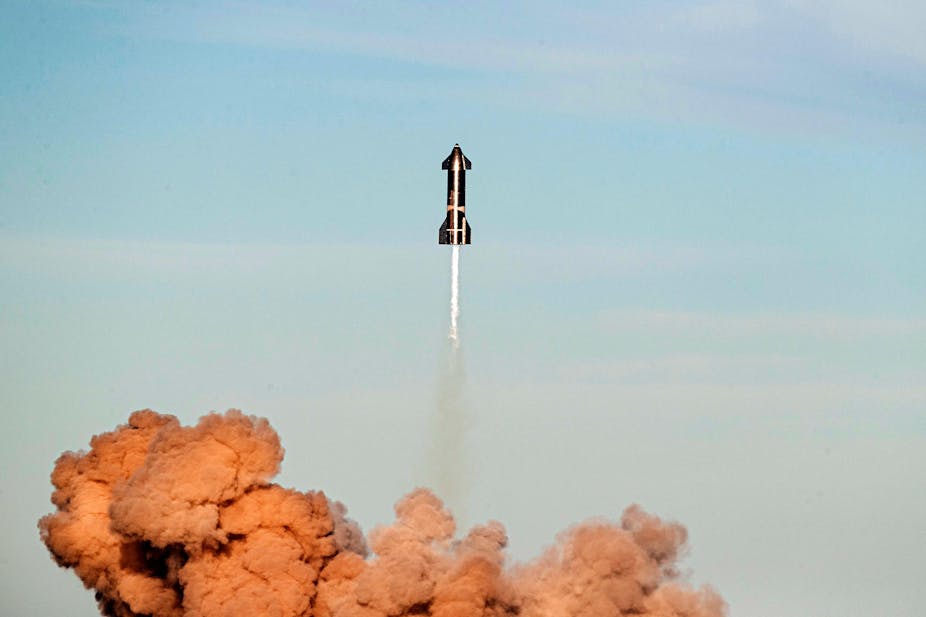
Elon Musk's plan to use Starship rockets for long-distance flights, known as Starship Earth to Earth, is being considered with potential support from the Trump administration. The technology required for rocket travel was demonstrated by Nasa in 2012 with a Mars landing. SpaceX has successfully developed reusable rockets, significantly reducing the cost of launches, and has made advances in heat shields, aerodynamics, and landing algorithms. However, there are still technical challenges to overcome before passenger-ready rockets are possible. These include engineering for passenger boarding and the establishment of spaceports and regulatory approvals in different countries. There are also concerns about the environmental impact of rockets expelling particles into the upper atmosphere.
New York to Paris in 30 mins? How to achieve Elon Musk’s vision of rockets replacing long haul

Experts at the World Economic Forum Annual Meeting in Davos in 2025 discussed the challenges and opportunities in various fields. The healthcare sector is being rapidly transformed by AI, and its practical applications are improving patient care and reducing costs. The global space economy is projected to exceed $1.8 trillion by 2035, driven by advanced technologies and new sources of capital. Next-generation space stations are being developed to ensure human presence in low Earth orbit. A de-extinction toolkit is being created to bring back lost species. There is a need for a standardized way to measure data fidelity. The development of digital brains aims to replicate complex adaptive systems.
Financial services
7 experts at Davos share what’s on the horizon for 2025
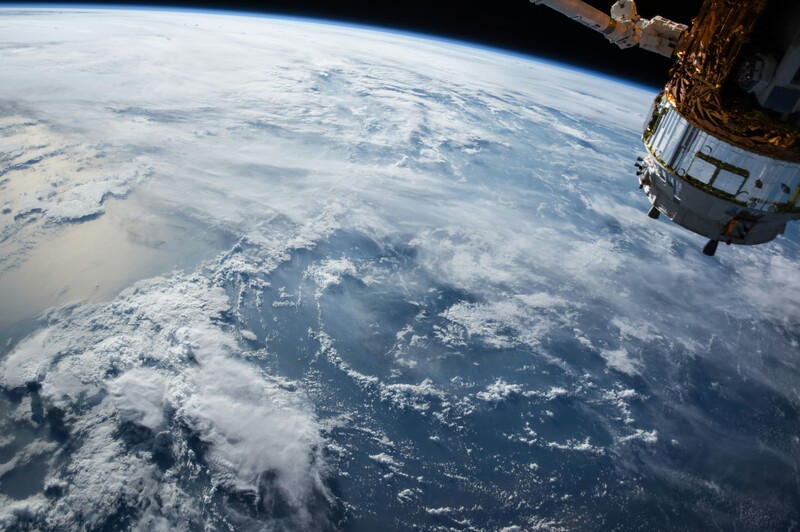
India's space economy is experiencing transformative growth driven by technological advances and government reforms. The formation of IN-SPACe and the amended Foreign Direct Investment policy have created opportunities for the private sector. With the goal of capturing 8% of the global space market by 2033 and growing the space economy to $44 billion, India is focusing on strong government support, technological innovation, and collaboration with the private sector. The inclusion of the private sector is essential for delivering commercial and societal benefits across industries such as telecommunications, agriculture, infrastructure monitoring, and disaster management. India's space innovations have implications for improving access to services, optimizing agriculture productivity, monitoring critical infrastructure, and enhancing disaster management. To fully harness the potential of the space economy, comprehensive legislation and initiatives are being developed, including the Indian national space bill and efforts by IN-SPACe to strengthen intellectual property rights and facilitate export opportunities. The Indian government continues to provide support and encouragement for the space sector.
India
How strategic vision and innovation is boosting India’s space economy
NASA's Hubble Space Telescope has conducted a comprehensive survey of the Andromeda galaxy, a neighboring galaxy to the Milky Way. The survey has provided new insights into the evolutionary history of Andromeda, revealing that it has a markedly different history compared to the Milky Way. The Hubble telescope's sharp imaging capabilities have allowed astronomers to study the galaxy in great detail, resolving over 200 million stars. The survey has shed light on the structure and evolution of not only Andromeda but also the Milky Way, providing valuable information about our own galaxy.
NASA's Hubble traces hidden history of Andromeda galaxy
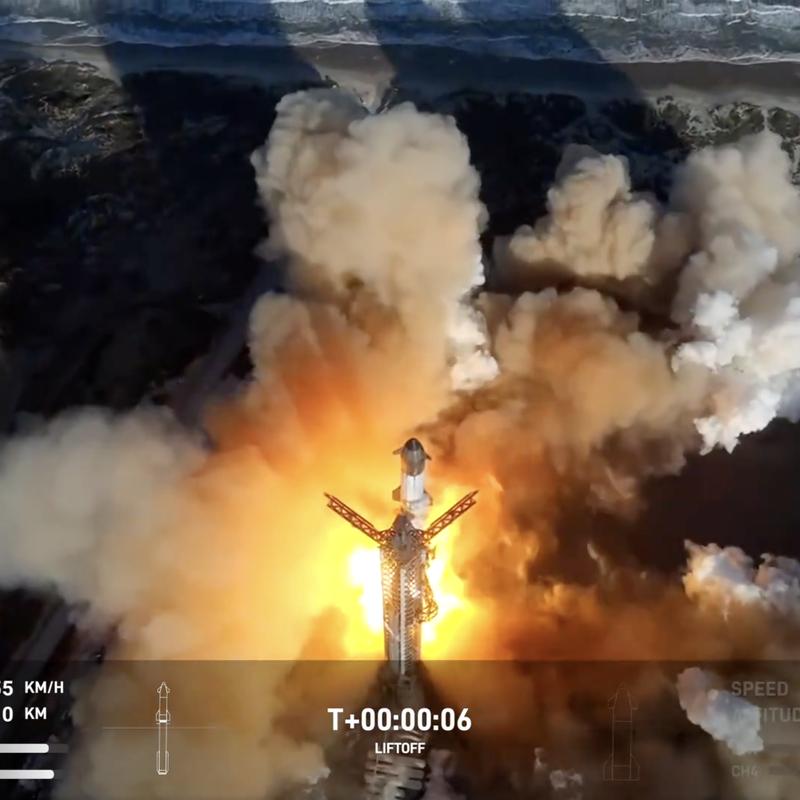
SpaceX's Starship exploded during its seventh test flight, resulting in falling debris that created a dramatic display. The Super Heavy booster, however, was successfully caught by the launch tower's mechanical arms for the second time. SpaceX is still analyzing data to determine the cause of the explosion and plans to use the findings to improve the reliability of Starship. The company will be conducting an investigation with the Federal Aviation Administration (FAA) to understand what went wrong. Reports of property damage and disrupted airspace have prompted regulators and airlines to take precautions.
SpaceX's Starship Explodes in Its Seventh Test Flight, With Falling Debris Putting on a Fiery Show

Satellite-based Earth observation technology provides actionable insights that benefit industries and the environment. This technology can be utilized in various ways to deliver measurable economic benefits while advancing planetary health. Some key applications include monitoring deforestation for sustainable supply chains, optimizing renewable energy site selection, managing water resources efficiently in agriculture, and urban planning for climate-resilient cities. Earth observation data helps businesses comply with regulations, enhance consumer trust, reduce operational costs, and mitigate environmental risks. The World Economic Forum has launched resources to help organizations implement Earth observation technologies.
5 uses of Earth observation data that are good for business and the planet
Two private lunar landers, Blue Ghost and Resilience, have launched on a SpaceX rocket with the goal of landing on the Moon. Built by Firefly Aerospace and Ispace respectively, the spacecraft will reach the lunar surface separately and conduct independent experiments and technology tests. Blue Ghost is carrying ten scientific instruments from NASA for data collection and technology development in preparation for future Artemis missions. Resilience has a longer journey and will test a water electrolyzer among other experiments. This mission marks the potential for the second and third private landers to touch down on the Moon.
Two Private Landers Launch on a SpaceX Rocket, Aiming to Touch Down on the Moon

The article discusses a course that explores the role of space and cyberspace in international diplomacy and security. It covers topics such as mechanisms for international cooperation in space, regulatory challenges in managing space resources, and the role of international treaties. The course also addresses the implications of cyber threats on space infrastructure and strategies for preventing conflicts. The focus is on the European Union and international organizations in establishing an effective regulatory and diplomatic framework. The language of instruction is Italian, with the possibility of some modules in English.
Diplomazia e difesa nello Spazio e nel Cyberspazio

The 2024 Outer Space Security Conference, hosted by UNIDIR, brought together diplomats, experts from the military, industry, civil society, and academia to address the challenges and solutions related to security in outer space. This report summarizes the key discussions and takeaways from the conference's six panels.
2024 Outer Space Security Conference Report
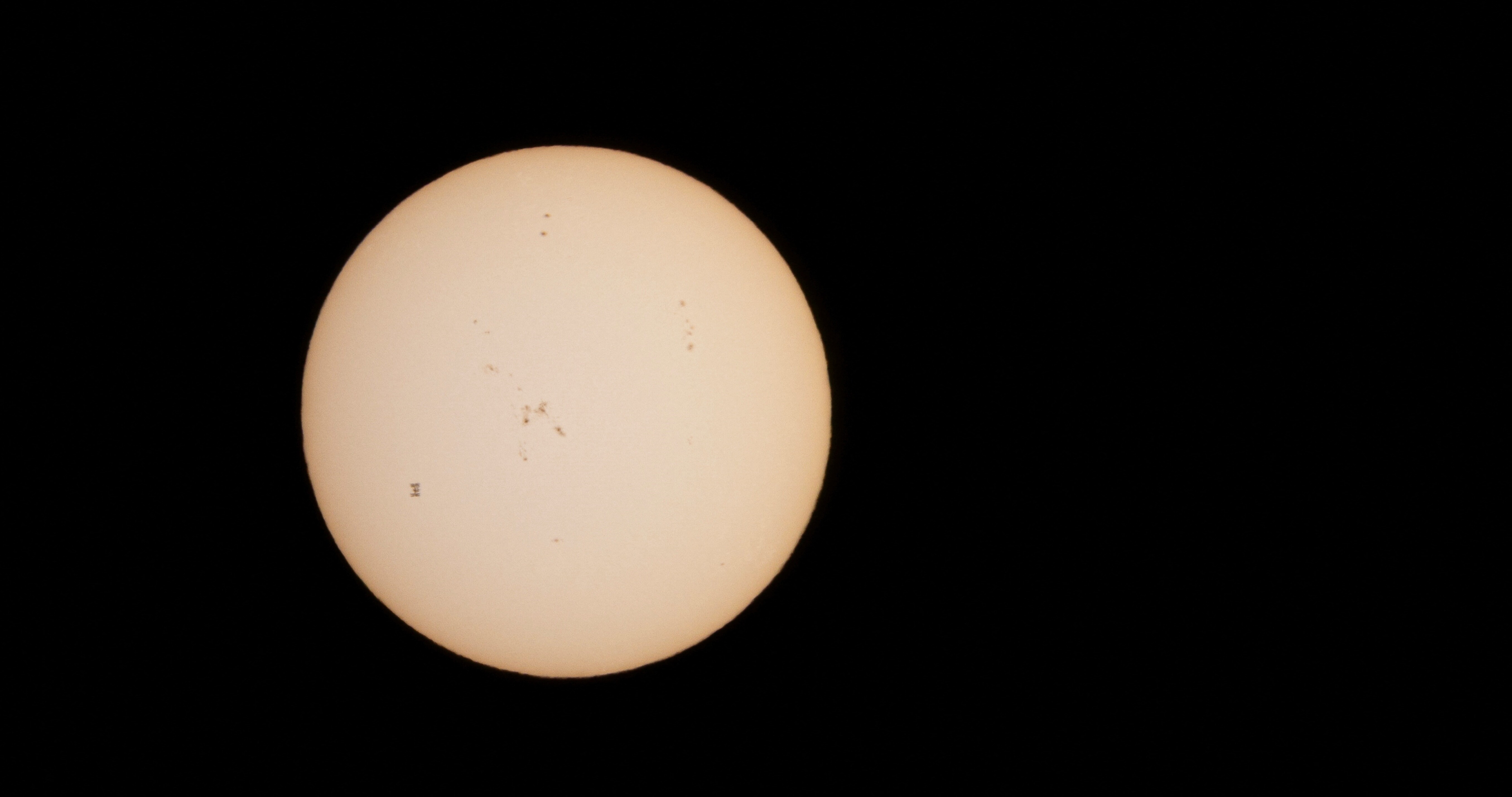
NASA's decision to change how it uses the International Space Station (ISS) has significant implications for current and future research. The ISS has been instrumental in advancing science, health, and various industries. The shift towards intermittent access instead of maintaining a permanent American presence in space may disrupt the space economy built around the ISS. This decision could hinder research, development of pharmaceuticals and medical devices, commercial space activities, and the growth of the commercial human spaceflight ecosystem. It also raises concerns about national security and the geopolitical competition in space.
NASA is changing how it uses the International Space Station. Here's why that matters
NASA's Hubble Space Telescope has discovered a rare star known as a "blue lurker" in the open star cluster M67, located about 2,800 light-years away. This star is part of a triple-star system and has a similar kinship to "blue stragglers," which are hotter and brighter than expected. The blue lurker's unusually fast spin rate suggests that it has siphoned material from a companion star. This discovery provides valuable insights into the evolution of multiple star systems and the formation of white dwarfs. These findings were presented at the American Astronomical Society meeting.
NASA's Hubble tracks down a 'blue lurker' among stars
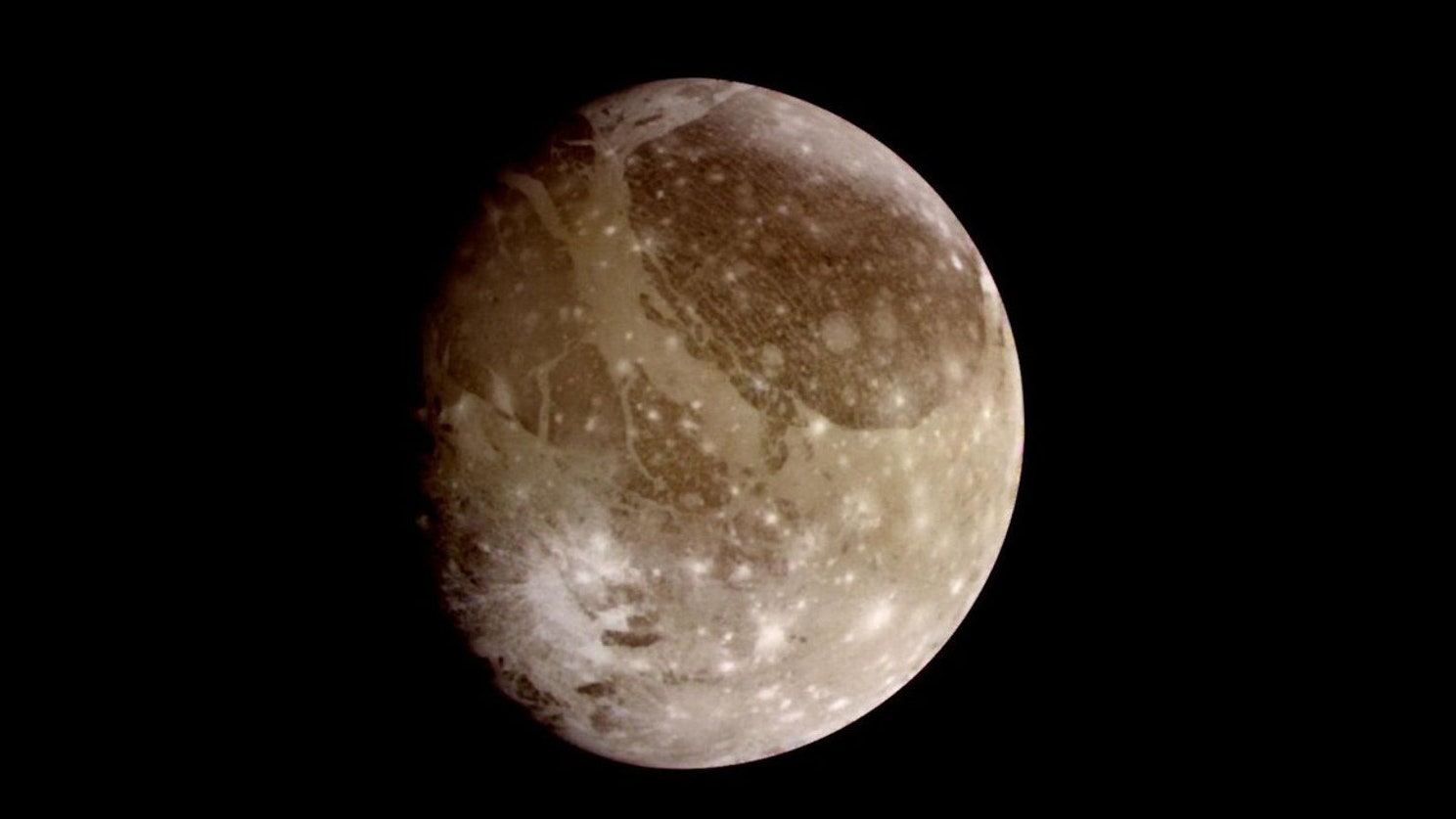
NASA is planning to send autonomous underwater robots to explore the icy moons of Jupiter and Saturn in search of signs of life. The project, called SWIM (Sensing With Independent Micro-swimmers), aims to send palm-sized robots into the internal oceans of these moons, which are known as "ocean worlds." The robots will be transported beneath the thick ice using a cryobot powered by nuclear energy. Multiple robots will explore the same area in teams, collecting data on temperature, pressure, acidity, electrical conductivity, and chemical composition of the waters. The hope is that these missions will provide insights into the potential existence of extraterrestrial life.
NASA Wants to Explore the Icy Moons of Jupiter and Saturn With Autonomous Robots